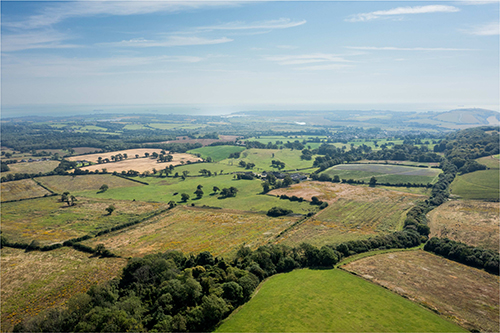
Researchers from the University of Southampton are exploring the potential health and wellbeing benefits of some of the Isle of Wight's famed outdoor spaces.
From picturesque beaches to thriving nature reserves, the Isle of Wight hosts an abundance of so called 'green' and 'blue' spaces.
It's widely accepted that spending time in places like parks, forests, beaches and riversides can produce benefits to people's health and wellbeing.
Now researchers want to find out how people are using these spaces and what it is about them that produces these benefits.
"We have a general understanding that time spent in these outdoor spaces is good for us, but we don't know exactly what components of nature are beneficial," says co-lead researcher on the project Dr Rebecca Collins at the University of Southampton.
"For example, we don't know how big a role wildlife features like bird song or scenery play compared to more recreational activities like sea swimming or opportunities to socialise."
From April, the team will be working with Hampshire and Isle of Wight Wildlife Trust to survey visitors to five different green and blue spaces in East Wight: Wilder Nunwell - a rewilding site, Bembridge Beach - a natural coastal area, Puckpool and Appley parks - more urban areas located in Ryde, and Sandown Beach - a more heavily managed beach.
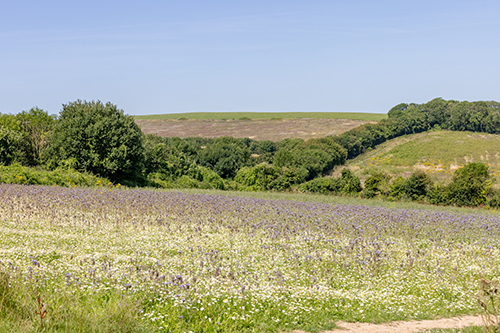
Deborah Whitfield, Senior Nature‑Based Solutions Manager at Hampshire & Isle of Wight Wildlife Trust said: "We're delighted that one of our rewilding sites on the Isle of Wight, Wilder Nunwell, is part of this research. By surveying visitors across five green and blue spaces, we'll better understand how people use and value these landscapes, helping to guide future nature recovery.
"Ultimately, we hope to show that restoring nature can improve not just biodiversity, but people's wellbeing too - creating a genuine win‑win for wildlife and local communities."
The team also want to find out what stops people from accessing these spaces more often, and which groups are most affected by these barriers.
One group that the team think might struggle most to access these spaces are young adults. As part of the project, they are working with Common Space, Art Ecology, Swim the Wight and the Biosphere Reserve to set up a creative workshop for those aged between 18 and 35 years, to take a deeper dive into how young people interact with green and blue spaces and what these spaces mean to them.
"We're hearing about concerns that young adults on the Isle of Wight have limited access and time to spend time in nature - time that's thought to be beneficial for mental and physical health," says Dr Sien Van Der Plank, co-lead researcher on the project also from the University of Southampton. "Working with local artists, we want to invite young adults to be creative and share their experiences of visiting their local parks, coasts and other outdoor spaces."
In 2019 the Isle of Wight was designated a UNESCO Biosphere reserve - one of only a handful in the UK. The designation covers the whole island and a large of its surrounding waters, focusing on how people and nature coexist.
The project, which is being supported but the University's Sustainability and Resilience Institute, will also look at how the designation has impacted conservation, sustainable development, and learning and research activity on the island.