
Women and men workers in Jordan are strengthening their ability to understand and exercise their rights, access protection and make their voices heard through a series of specialized legal training sessions delivered in the southern city of Petra. The second phase of the training brings practical legal knowledge closer to workers' everyday realities, equipping participants to identify and respond to workplace rights issues and participate more effectively in trade unions and social dialogue.

© ILO/ Zaid Abadii
The training is part of a broader, evidence-based effort to translate knowledge of rights into tangible change for workers. The programme combines legal awareness, practical exercises and information on pathways to protection and participation, helping workers strengthen their capacity to exercise their rights, engage actively in trade union life and bring their experiences and priorities into social dialogue.
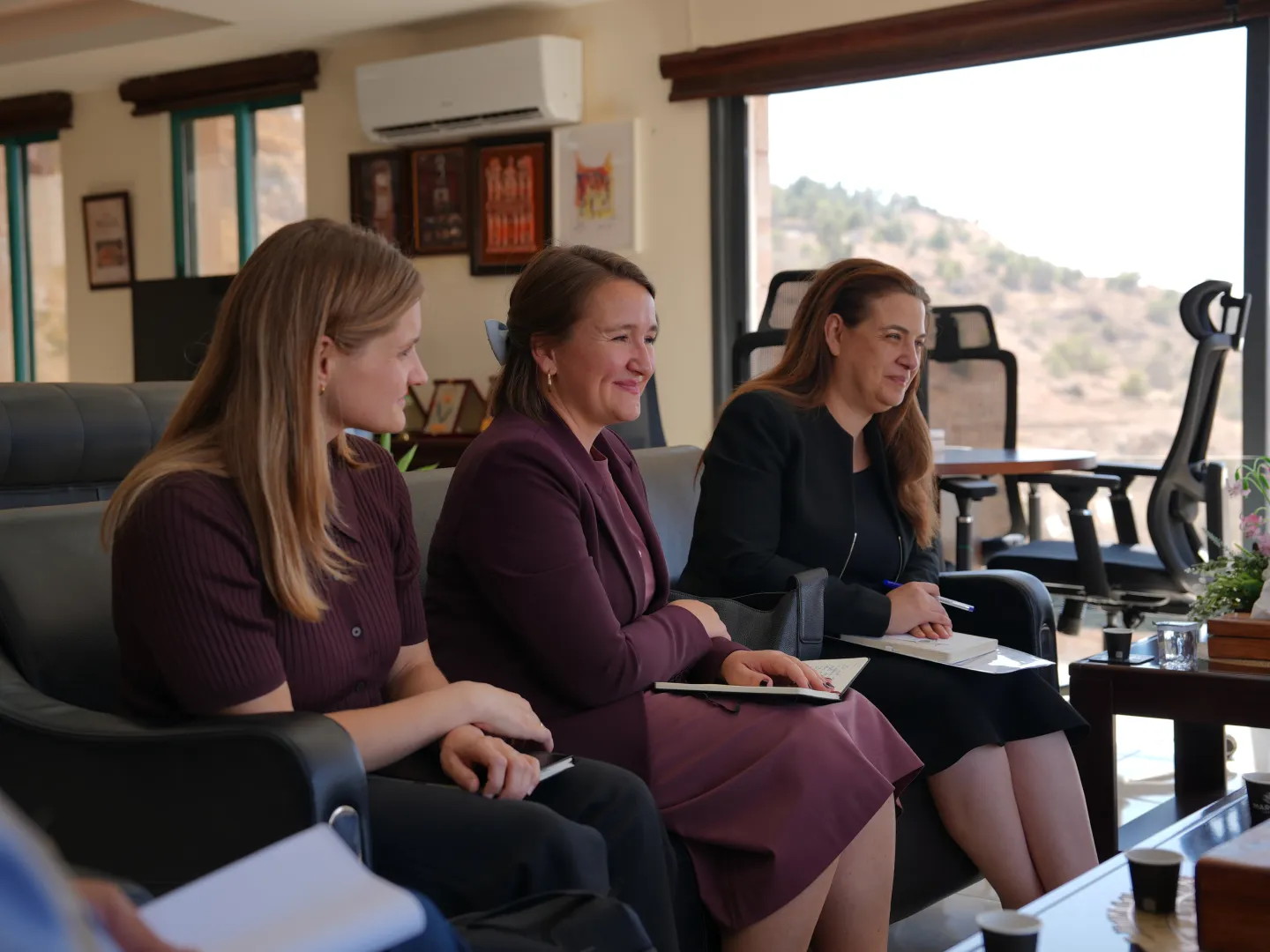
The training was held in the presence of a delegation from the Royal Norwegian Embassy in Jordan. The Government of Norway supports the "Equality@Work" project, which is implemented by the International Labour Organization (ILO)'s Decent Work for Women Programme. The legal training was delivered in cooperation with the General Federation of Jordanian Trade Unions (GFJTU) as part of the "The Power of Unions" initiative.
© ILO/ Zaid Abadii
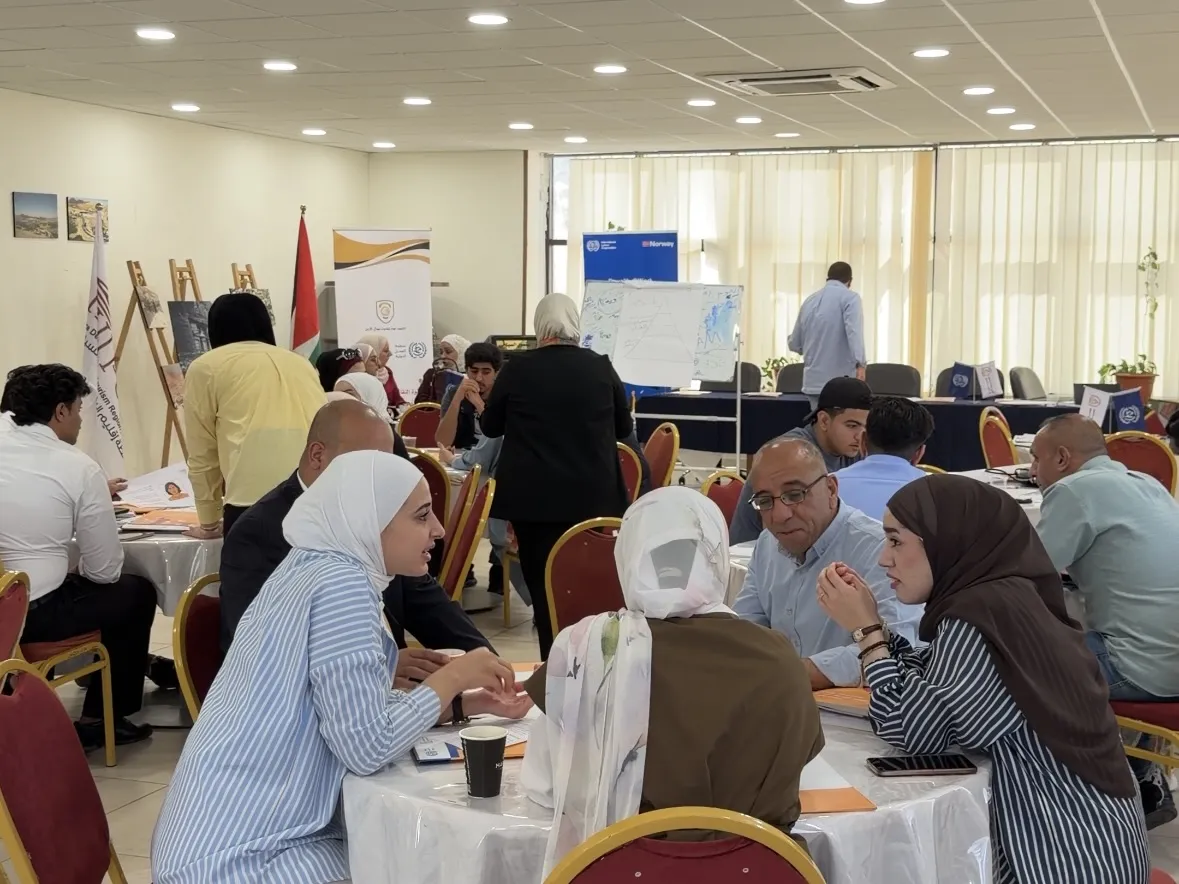
The training addressed issues directly related to workers' everyday experiences in the workplace, including fundamental rights and obligations under Jordanian labour law, employment contracts, wages, working hours, leave, termination of employment and unfair dismissal. It also covered protections under Jordan's Social Security Law, including employment injury, maternity, unemployment and old-age benefits.
The training also addressed violence and harassment in the world of work, including its forms and available protection and complaint mechanisms, and introduced participants to the ILO Violence and Harassment Convention, 2019 (No. 190). In addition, it highlighted the importance of trade union organization and membership, the role of trade unions in protecting workers' rights, and ways to encourage women and men to join and participate actively in trade unions.
Rather than focusing solely on theoretical legal knowledge, the training used practical applications, real-life cases, questions and group exercises to analyse labour rights violations and connect legal knowledge with the challenges and situations workers may encounter in their workplaces.
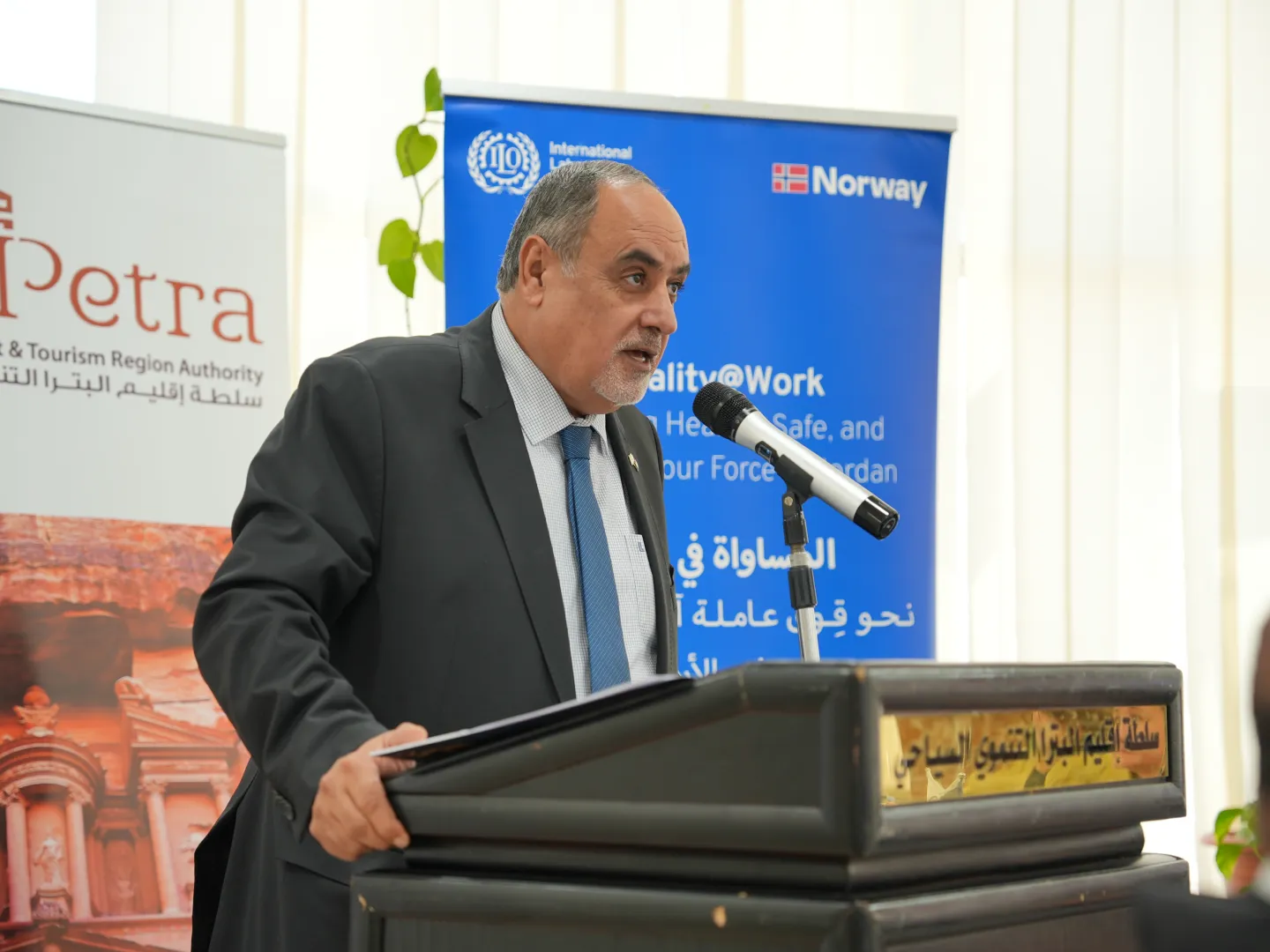
Speaking at the opening, Amal Mowafy, ILO Country Coordinator in Jordan, said: "We value this partnership because it is built on a shared vision that stronger trade unionism starts with workers themselves - with knowing their rights, being able to make their voices heard, and participating effectively in social dialogue".
© ILO/ Zaid Abadii
Birgitte Wessel, Head of Cooperation at the Royal Norwegian Embassy in Jordan, also emphasized the importance of cooperation and partnership in advancing workers' rights.
"Women and men workers' knowledge of their fundamental rights is essential to their protection and empowerment in the world of work. Strengthening that knowledge and translating it into tangible impact requires effective partnerships bringing together workers, trade unions, employers, national institutions and international partners. By working together, we can help ensure that knowledge of rights reaches those who need it and contributes to stronger participation and social dialogue", Wessel said.
© ILO/ Zaid Abadii
Khaled Al-Fanatseh, President of the GFJTU, said the training programme forms part of the Federation's broader efforts to expand trade union and awareness-raising activities and reach workers across their workplaces and sectors. These efforts are aligned with the Federation's strategic and reform agenda, which places the empowerment of women and men workers, stronger legal protection, enhanced trade union capacities and an expanded membership base among its key priorities.
"Investing in legal awareness and trade union capacities is an investment in stable labour relations and in building a fairer, more equal and inclusive working environment. This is what we aspire to strengthen through our partnership with the International Labour Organization and the Government of Norway, and in cooperation with various national stakeholders", Al-Fanatseh said.
© ILO/ Zaid Abadii
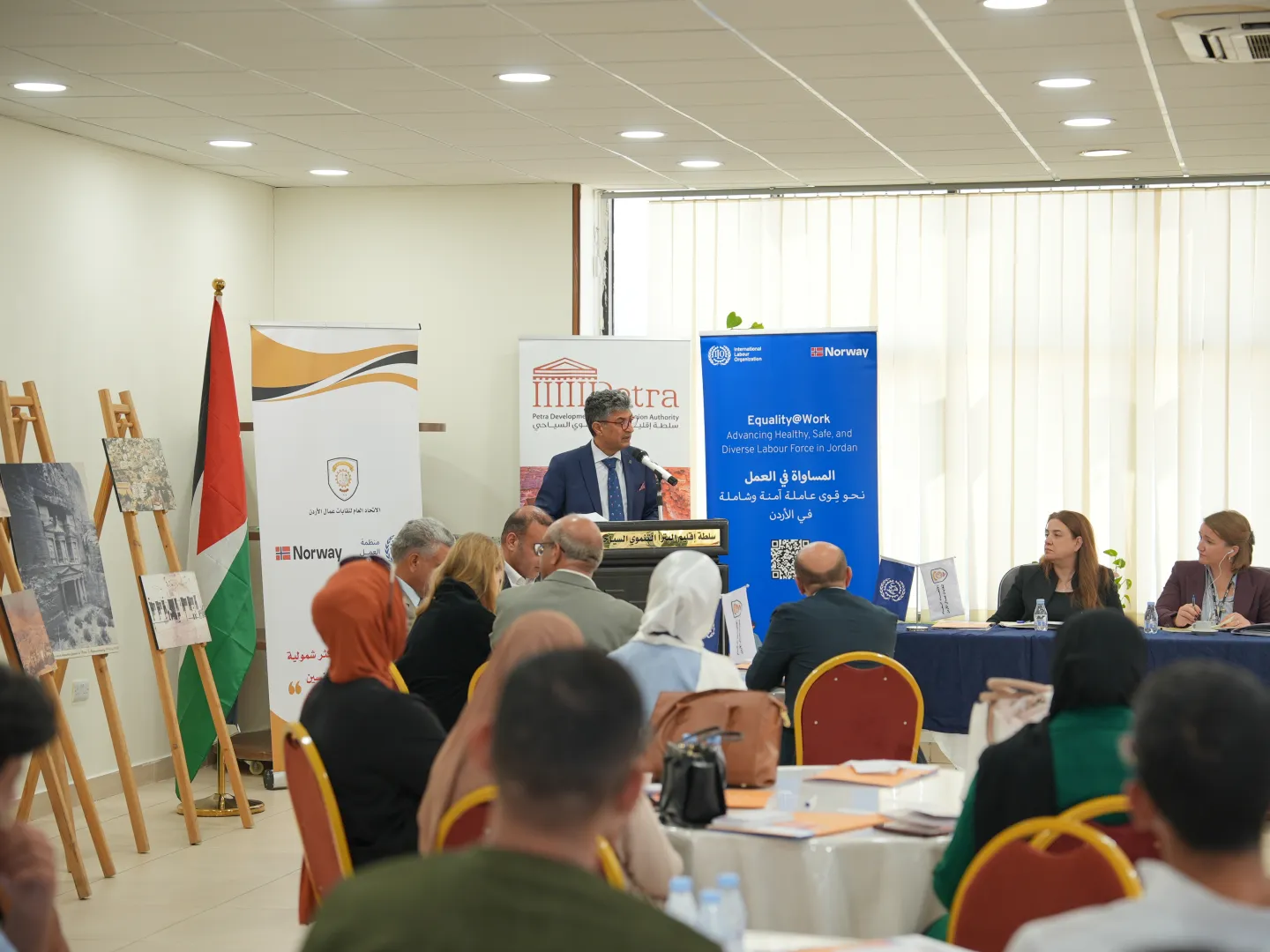
Adnan Al-Sawaeer, Chief Commissioner of the Petra Development and Tourism Region Authority, highlighted the importance of cooperation among the different partners.
"This important gathering underscores the value of complementary roles among partner institutions. The Ministry of Labour and the Social Security Corporation play a fundamental role in regulating the labour market, enforcing labour legislation, protecting the rights of women and men workers, and promoting a decent working environment", Al-Sawaeer said.
Field visits showcase women-led initiatives in Petra
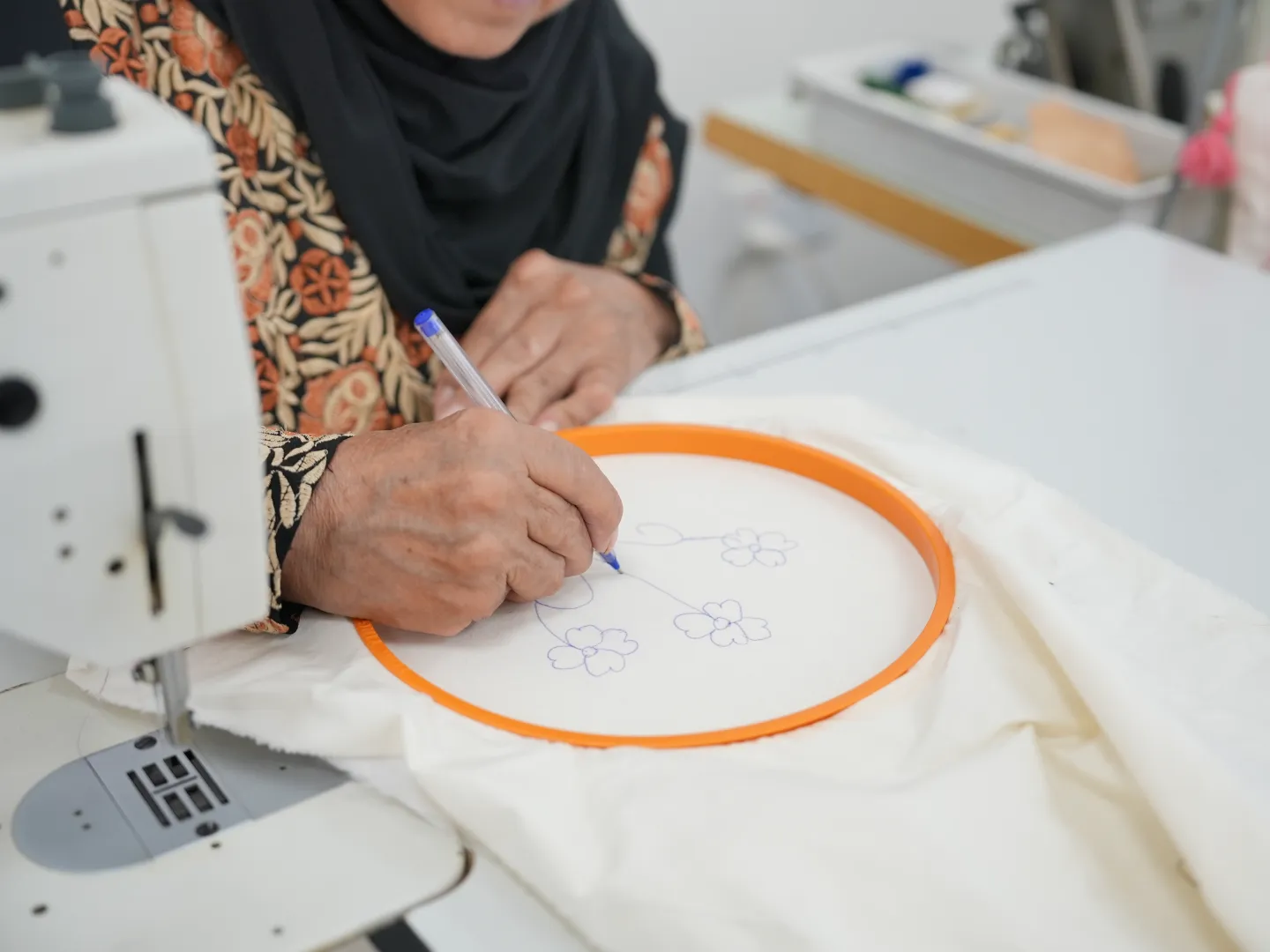
The programme also included a series of field visits to training centres, associations and local initiatives led by women in Petra, with representatives of the ILO, the Royal Norwegian Embassy and the GFJTU taking part.
© ILO/ Zaid Abadii
During the visits, the delegation learned about women's experiences in jewellery-making, clay handicrafts and food production, and heard directly from women about their experiences and the opportunities and challenges they face in accessing training and employment and developing their economic activities.
The training forms part of a broader cooperation framework between the ILO and the GFJTU that builds on the findings of a Participatory Gender Audit conducted by the Federation with ILO support. The audit helped identify gaps, challenges, opportunities and priorities related to women's participation within the trade union movement.
The process has contributed to a number of institutional measures, including the establishment of the GFJTU Women's and Youth Committees, work on a strategy to strengthen the Federation, and the development of internal policies addressing violence and harassment and women's representation in trade union decision-making. It has also supported the establishment of specialized units focusing on migrant workers, the green economy and a just transition.
The approach seeks to move from evidence to policies and practices, and from knowledge of rights to the ability to exercise those rights and participate in social dialogue. In this way, women and men workers are not only recipients of protection, but active partners in articulating their needs, priorities and the issues affecting their working lives.


