
In Brazil, there is an interesting myth: if you jump seven little waves during New Year's Eve and ask for your wishes for the following year to come true, Iemanjá – an Orixá, a divine spirit or deity in the Yoruba religion of West Africa that is also part of Afro-Brazilian spiritual traditions – will bring you good energy to the year that is about to begin.
So here's our own wishlist for global ocean protection in 2026:
1.Strong outcomes for the first Oceans COP
The Global Oceans Treaty came into force on 17 January, after reaching the required 60 ratifications.
The treaty agreement creates a legal framework to protect marine ecosystems in international waters and will allow, for example, the creation of marine protected areas and environmental impact studies of economic activities in the high seas.
The first Oceans Conference of the Parties (COP) in the next year is an opportunity to transform intentions into plans and concrete priorities as part of a global plan. The scientific and environmental community will continue to apply pressure in the lead up that this first COP speeds up the conservation of highly vulnerable ecosystems.
2.Real proposals for protecting the South Atlantic Ocean
Part of the challenge of protecting the oceans is the amplification of marine protected areas on a global scale, a compromise agreed upon by countries when establishing the goal to protect at least 30% of oceans by 2030.
In the South Atlantic Ocean, a strategic region for climate balance and marine biodiversity, this need becomes even more urgent. Along with having fragile ecosystems and fundamental migration routes, the area is profoundly connected to the lives of peoples who depend on the seas, whose traditional ways, knowledge and culture are inseparable from the ocean.
3.Attention to coastal region elections
Governments need to monitor and regulate activities such as fishing, tourism and environmental licencing on coastal regions. The oceans agenda must be integrated into critical 2026 elections to safeguard the public policies that take in consideration the ways of life of coastal communities, and their public health along with climate adaptation.
In 2026, there will be various elections in about 60 countries around the world – some of them being general elections, as in Brazil and New Zealand, and others more specific, like in Colombia and the United States. Public policies directly influence ocean protection, including mangroves conservation, and reefs and beaches that are fundamental to the effective implementation of action towards ocean conservation.
4.Suspension of the licence in the Amazon river mouth
Oil exploitation in the Amazon river mouth has demonstrated real environmental risks. In January 2026, less than 3 months after the concession of the licence, a drilling fluid leak was registered during Petrobras activities. Although the Brazilian company confirmed that the material was under the limits of low toxicity, the incident has been taken to the National Agency of Petroleum, Natural Gas and Biofuels to request formal clarifications.
Greenpeace Brazil has teamed up with eight other civil society organisations and networks from the Brazilian environmental, Indigenous, Quilombola, and artisanal fishing movements to take legal action in Amapá, an Amazon State, to cancel this licence, defending the precaution principle and the need to listen to local communities and the protection of one of the most sensitive marine ecosystems of the planet.
5.No mining in deep sea waters
In 2026, the International Seabed Authority (ISA) meeting in March may finalise rules that lead to the development of deep sea mining, an activity capable of causing irreversible damage to ecosystems that humans do not even yet understand. This will be a critical moment to reinforce the growing ask from countries in favour of the mining moratorium in deep ocean waters, as the US government already threatens to authorise The Metals Company permission to begin to exploit the Pacific Ocean, bypassing ISA discussions.
6. Combating plastic pollution in the oceans
Countries must make good use of these political spaces to cement decisions based on science while holding the cultural values that the ocean represents to coastal region people and the protection of marine biodiversity.
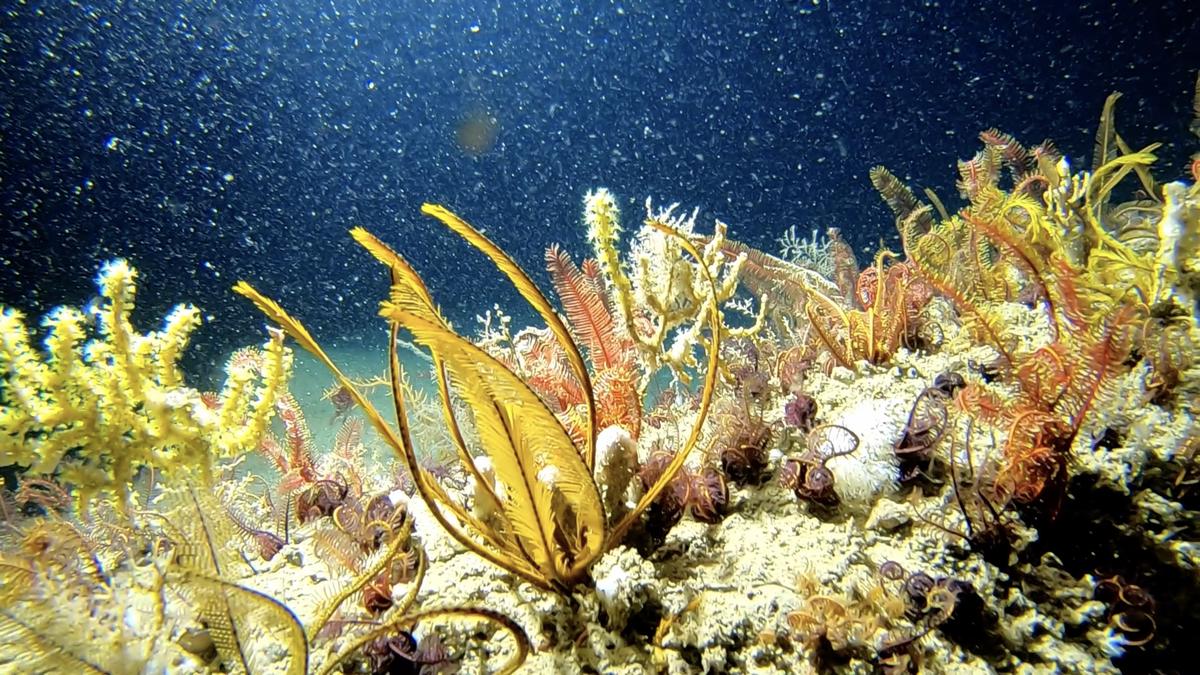
Plastic pollution is recognised as one of the major threats to marine ecosystems, affecting human and ocean's health. While finalisation of the Global Plastic Treaty, an agreement that will provide guidelines for confronting this kind of global pollution, was suspended last year, governments will need to reach a strong agreement when talks resume later this year.
7.More space for whales to sing and to live
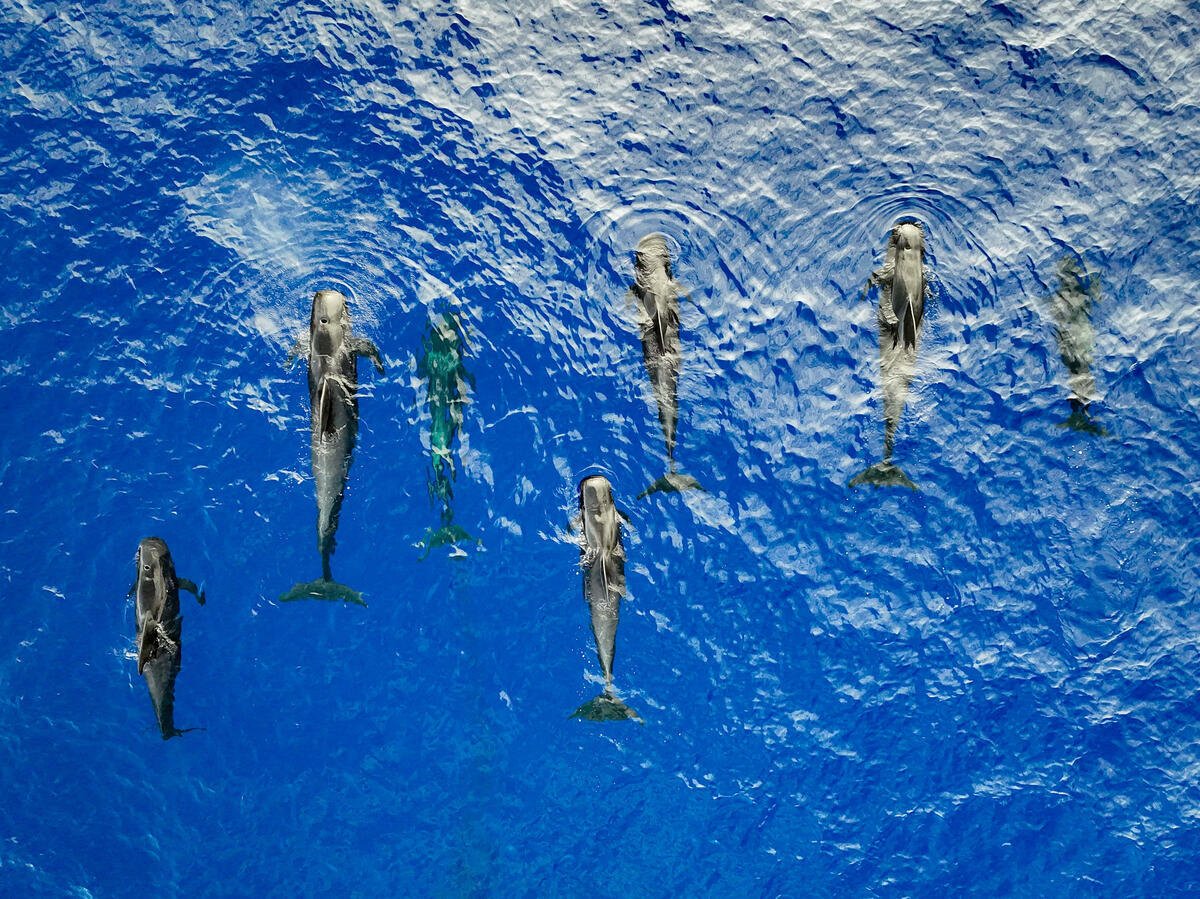
The protection of the oceans needs to guarantee that whales have a safe space to sing, to migrate, to reproduce and to raise their calves. These giants of the ocean not only face historic hunting and plastic pollution, but also much bigger risks such as deep sea mining. For decades, Greenpeace has been acting to defend the whales and their habitats.
In 2026, we will keep supporting and strengthening action to protect international waters. Protecting whales is protecting the balance of the oceans, marine life as a whole and promoting a more respectful relationship between people and planet.
Add your name to call on leaders to create new ocean sanctuaries and protect our blue planet.
Taís Terra is a Campaigner with Greenpeace Brazil.


