
Washington State University computer scientist Diane Cook is making smart homes smarter.
A pioneer in the field of smart sensing and AI, Cook and her colleagues have developed a system of unobtrusive, inexpensive in-home sensors - a "smart home in a box" - that monitors the activities of residents and uses machine learning to flag behavioral changes. That information could help a nurse catch early signs of a new or worsening problem, such as a flare-up of colitis or a urinary tract infection-even depression or an increased risk of falling.
As the population ages, such systems offer great promise for helping people stay in their homes as long as possible. Over the past decade, sensor systems have been refined to identify behaviors at an ever-more-detailed level.
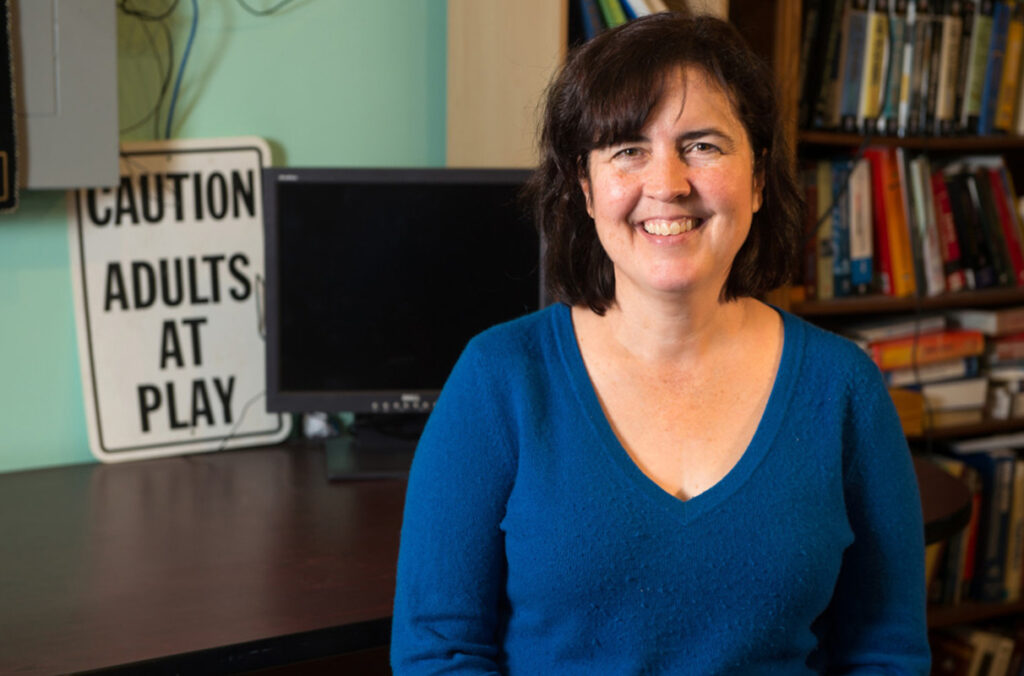
"If we can recognize when people are sleeping, working, exercising, entertaining guests, and engaging in other activities, that gives us a more diverse vocabulary that explains these routine behaviors and changes in those behaviors," said Cook, a Regents Professor in the School of Electrical Engineering and Computer Science. "Our ability to do that on the machine learning side has vastly improved."
Those improvements are driving advances in personalized health monitoring, with the instruments of daily life-from homes to phones to watches to clothing-being designed to monitor health, identify problems and suggest treatments.
It is among the key channels of AI research at WSU. Researchers are working to develop the technologies to support tiny sensors woven into fabrics, advancing the use of "smart wearables" to monitor an individual's health metrics. They have refined AI tools using smart-phone data from hundreds of participants to interpret daily activities at more specific levels of detail.
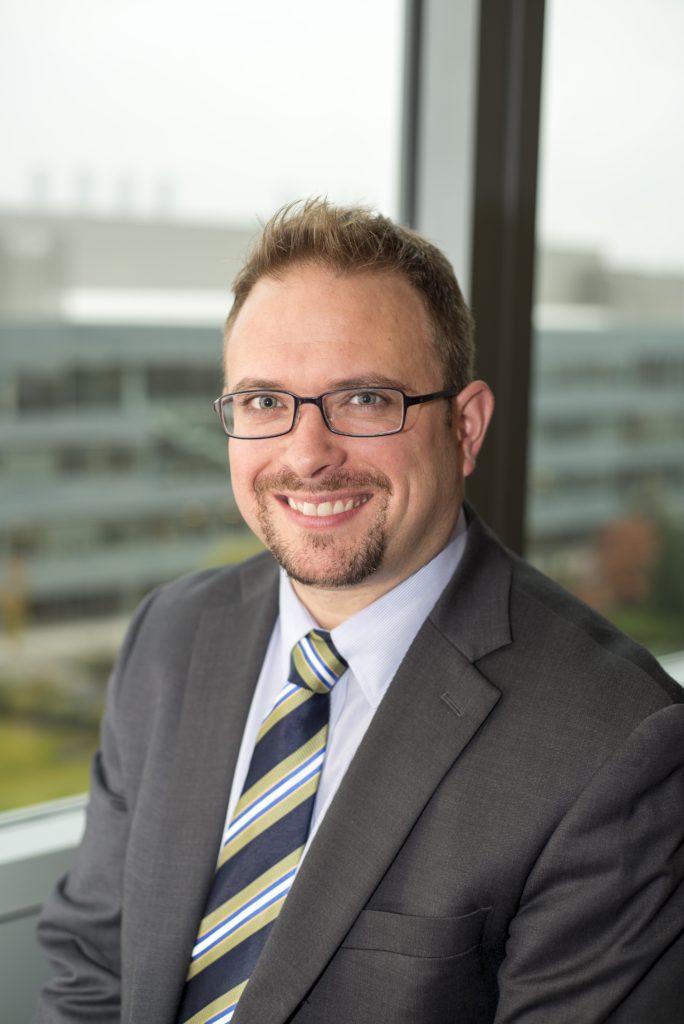
Sterling McPherson, professor and vice dean for research in WSU's Elson S. Floyd College of Medicine, said he and his colleagues have an eye on the possibilities of using AI to further personalize the kinds of apps that now help people quit smoking or manage other behavioral changes.
"We've become highly interested in our group about this kind of 'therapist in your pocket,' or therapist on your phone," McPherson said.
One of his areas of research involves co-addiction, when people have more than one use disorder at a time, whether it's drinking, drug use, or smoking in combination. Treating such co-occurring disorders is complex, and people respond in individualized ways. Future apps that build upon those that are focused on a single behavior-such as smoking-could be trained to apply individualized information about co-addictions and how to balance therapeutics and treatment.
"If AI can distill that and begin to personalize therapeutics, that could greatly expand the research of available treatments," he said.
Helping rural clinics
This spring, patients with type 2 diabetes at Three Rivers Family Medicine in Brewster, Wash., will have a chance to try an app to manage their condition as part of a WSU study led by Anna Zamora-Kapoor. This novel technology will allow patients to learn more about type 2 diabetes, track their glucose, answer basic questions about diet, and access the latest science on their condition, based on published, peer-reviewed research.

This project will extend the work that Zamora-Kapoor, an associate professor in the departments of Sociology and Medical Education and Clinical Sciences, has conducted in rural Washington for the last two years. It's part of Zamora-Kapoor's research at the intersection of sociology and medicine, exploring how well communities are able to adopt emerging technologies.
"Everybody's learning - I'm learning, the clinic is learning, the tech company is learning, the patients are learning," she said.
Zamora-Kapoor is enthusiastic about the promise of AI, but reports the need to ensure that the benefits of AI technology are shared by all Washingtonians. She was among 25 fellows named to the National Institutes of Health AIM-AHEAD leadership program-a project intended to help ensure that the advantages of AI reach everyone.
"AI is a revolution like the internet - the same magnitude, or perhaps more," she said. "There is a risk that AI exacerbates inequities, with a segment of the populations able to use AI to their advantage and the advantage of their families, while others are left behind."
In a previous project with the Three Rivers clinic, Zamora-Kapoor investigated whether the use of AI to generate reminder messages would be effective in encouraging patients to schedule appointments.
"This was all grounded in my multiple conversations with the clinic and it was truly something the clinic wanted to work on and wanted to optimize," she said. "They're a rural clinic, they're stretched thin and they thought, if technology can help reduce the administrative burden we deal with on a daily basis, it's something we should explore."
However, what she found was both the clinic and its patients had major obstacles that limited the effectiveness of the system-from old hardware and limited IT resources at the clinic, with only one person trained in AI tools, to a population of older patients who didn't all have smart phones or texting access.
The software technology was there. But the clinic and patients experienced major barriers to use it effectively.
Cook's work also pays close attention to the human questions that come with the technological advances. Much of her work has focused on "clinician-in-the-loop" systems, with an eye toward studying how useful smart technologies are for nurses making day-to-day care decisions. Gathering data from homes or sensors bring questions of privacy into play; medical records involve deeply private information. People may worry legitimately about how that is used, and how much control over their care they retain.
And researchers have to pay close attention to the biases built into the data they gather. A sample population from Pullman, for example, may not provide results that are well-suited for a use in Florida.
"Even collecting the data must be done with an eye toward preventing harm," she said. "Everything needs to be carried out with caution."
It's the kind of care that WSU is applying as it builds on a strong foundation to advance the next generation of AI-based applications.


