
American pikas are mountain-dwelling canaries in the coalmine for climate change
(Contributed photo)
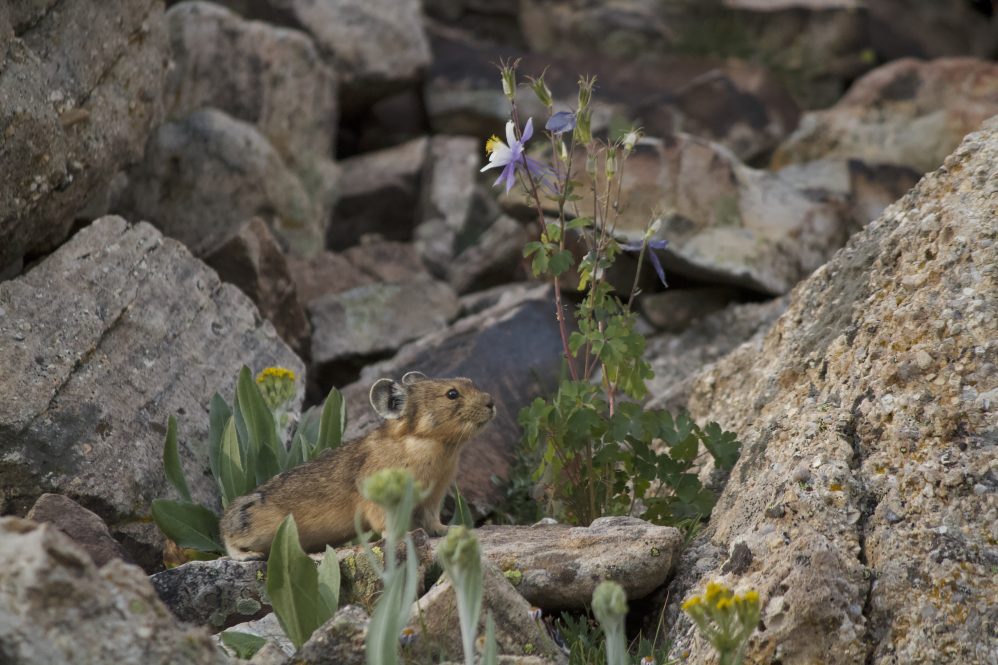
Potato-sized and undeniably cute, American pikas are mountain-dwelling canaries in the coalmine for climate change. Though they live in cold, mountainous regions like the Rockies, pikas are surprisingly sensitive to temperature fluctuations. So, as the climate warms, some populations are moving further up the mountains, whereas other populations have already gone extinct, says Department of Ecology and Evolutionary Biology Ph.D. student Peter Billman.
Billman currently studies pika populations at 240 sites in 28 watersheds across the Southern Rocky Mountains, where he hikes far and wide to collect data.
"We like to focus on pikas because they're charismatic, but they are also a very good indicator species that are remarkably easy to find and study, unlike many mammals like wolverines," says Billman.
Billman explains that globally, many alpine species are declining and retracting upslope. In the case of pikas, their habitats have contracted around an average of 1000 feet further up the slopes, and results of his work indicate the apparent causes of population losses at lower elevations in the region include high summer temperatures and low snowpacks.
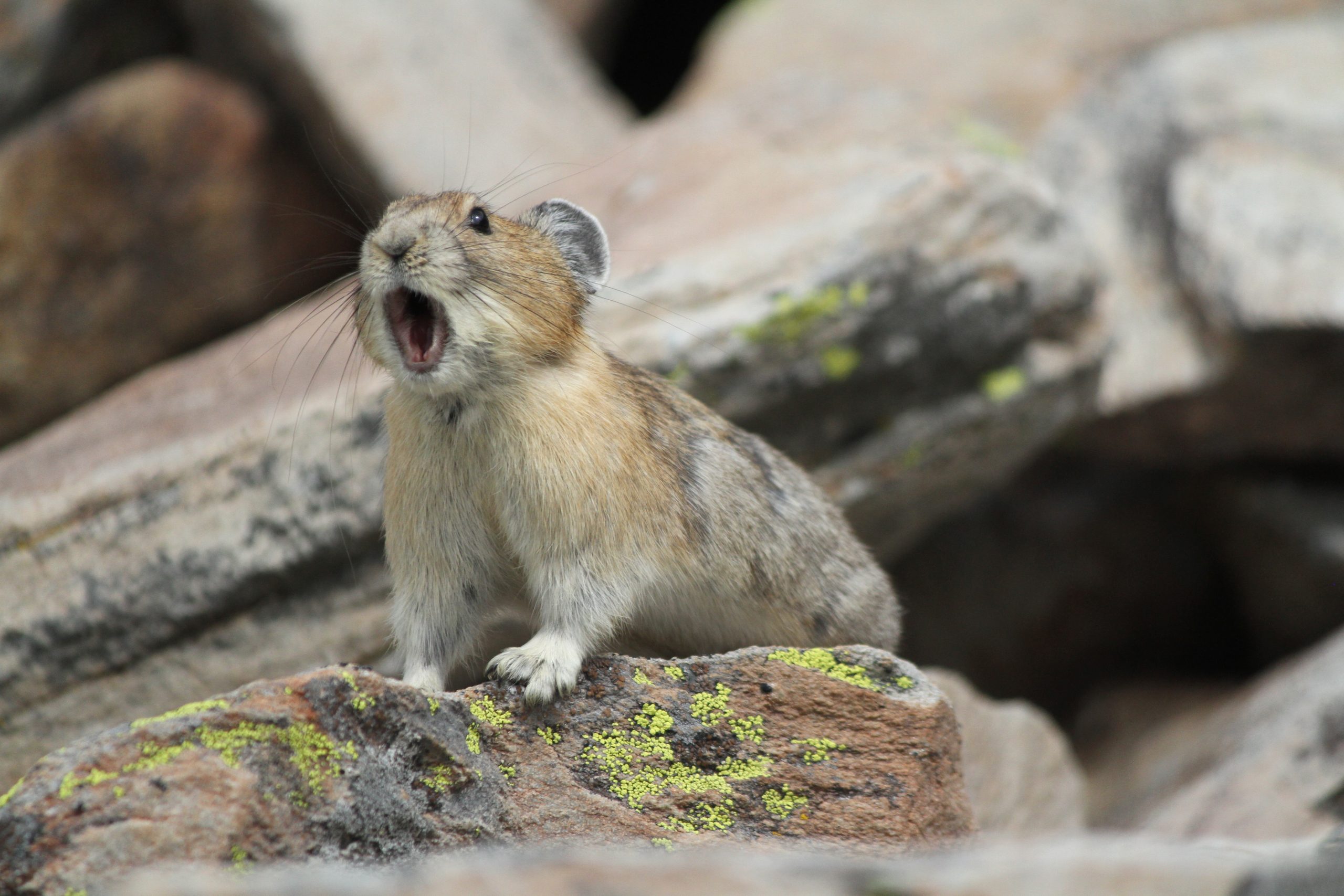
In addition to his work, the Denver Zoo and Rocky Mountain Wild have introduced a new citizen science app called Pika Patrol, where anyone can document where they find pikas, which has yielded an abundance of data in its first year. They are pretty easy to spot if you know what to look and listen for, since pikas vocalize by letting out loud "eeps!" and will sometimes come right up to people, says Billman.
Conserving pikas is a challenge, Billman explains, because they have a very narrow range of temperatures they can tolerate, and are extremely prone to heat stress. These strict temperature requirements limit some types of management interventions like relocating individuals to new areas, leaving few intervention strategies. Ultimately, without addressing the root cause of declines (i.e., climate change), pikas will continue to face population losses across many portions of their range. For example, pikas are now extinct in Zion National Park, along with numerous populations now extinct in Nevada and California.
Meanwhile, there are many dedicated researchers like Billman working to learn more about this endearing species, because this information can lend insights into how other species may adapt or otherwise respond to climate change.
"It's a really fun species to work with, because there are a ton of people doing work from many different angles. Not all species have that and we're very lucky to have so many dedicated scientists and wildlife managers," he says.
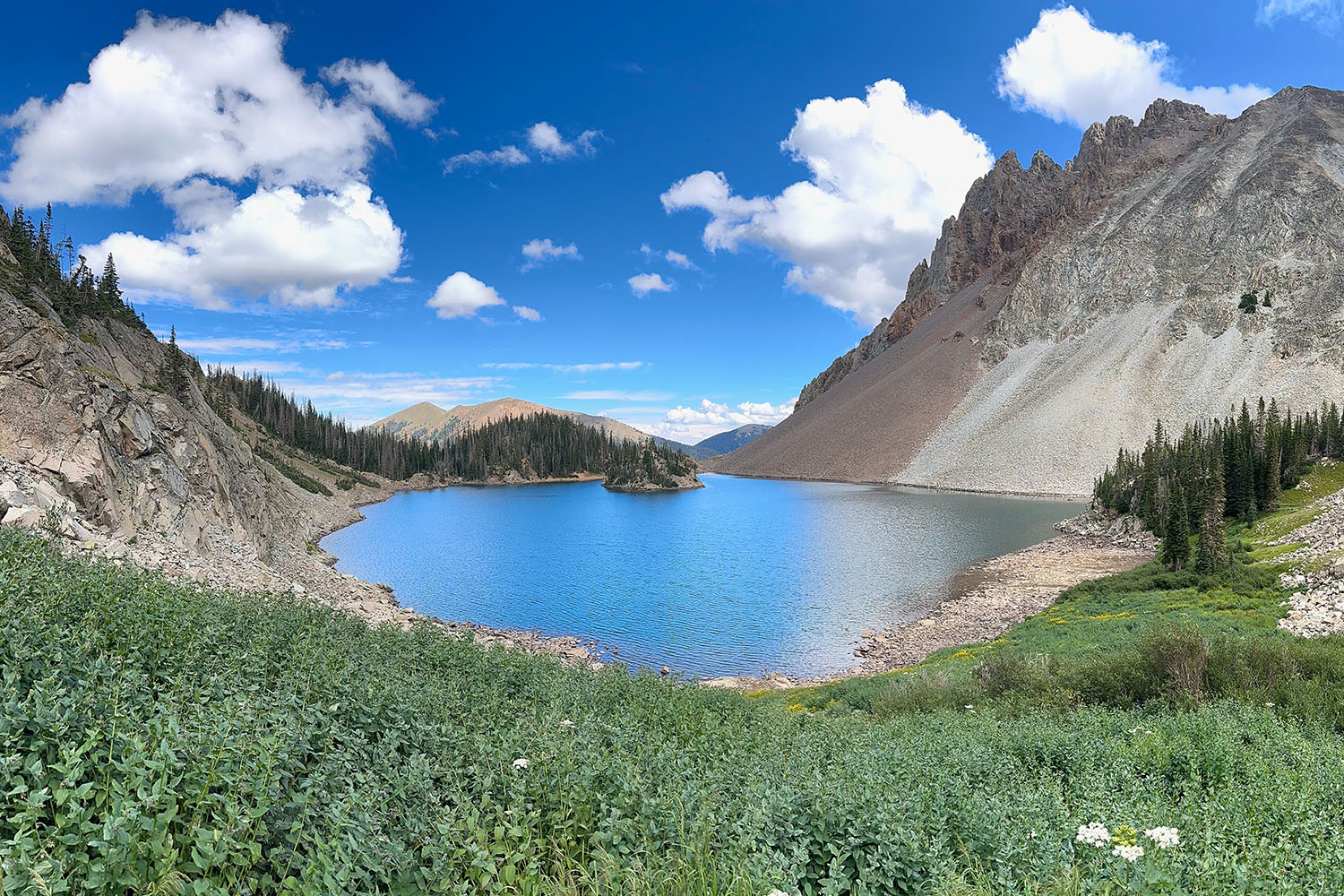
Billman hikes across picturesque landscapes as he studies pika climate adaptation. He is trying to answer questions about what is causing shifts in where they live, where they're moving, where populations have already been lost, and where they may be more robust in the future, Billman says.
"Unique to pikas and only a few other mammals, we can easily find where they used to live because their fecal pellets are small and round like BBs and survive for a long time. Some pellets have been dated back decades to centuries," says Billman. "When we do these surveys, we are looking for pika evidence from low to high elevations in each watershed to quantify where they are now versus where they used to be. In terms of how much they have retracted in the Southern Rockies, we have seen about 1000 feet of low-mid elevation habitat that pikas no longer occupy, a comparable result to previous research in the Northern Rocky Mountains of Idaho and Montana."
"It is super hard to relocate pikas. It was done at least once across about 10-20 miles in Idaho and it worked, and that population is still alive, but the concern is they die so easily when removed from their habitat. Even from us handling them for too long, they are at risk of dying from heat stress fairly easily. There are many tricky considerations for relocation and there are not many refugia that will remain suitable in the long term."
Besides the risk they may not survive relocation efforts, Billman points out that pikas have different dialects or languages from location to location, so researchers are not sure how pikas would handle moving to a distant region if they did not speak the native dialect.
"My master's work was in the Northern Rockies, so when I started working in the Southern Rockies, I didn't realize what I was hearing was a pika at first, it sounded super raspy," says Billman. "In one area of Utah, they even have three chirps instead of one or two, so I didn't think it was the same species at all until I saw one moving. What happens if you bring an individual from another region that does not recognize that call?"
"To date, there is fairly little evidence of local adaptation that is sufficient enough for long-term persistence in many areas, but our best plan in some instance might include triage of limited conservation resources. We may have to let some areas go, whereas we may be able to help other populations adapt. Overall, though, there are not a lot of conservation actions that we know will be successful yet," Billman says.
Pikas have good years and bad years, and thankfully due to the Pika Patrol and other citizen science projects, there will be even more data now to study their populations over space and time.
"It's important to note that a lot of species have divergent responses to climate change. They are retracting up the slopes based on this work, and genetics and stress hormone research from other resource groups also indicates climate-related stress and a fairly bleak picture for many populations," says Billman.
Rising temperatures, increasing prevalence of parasites, and plummeting juvenile survival are all potential causes for the decline. The evidence consistently points back to climate as the root cause behind the species decline.
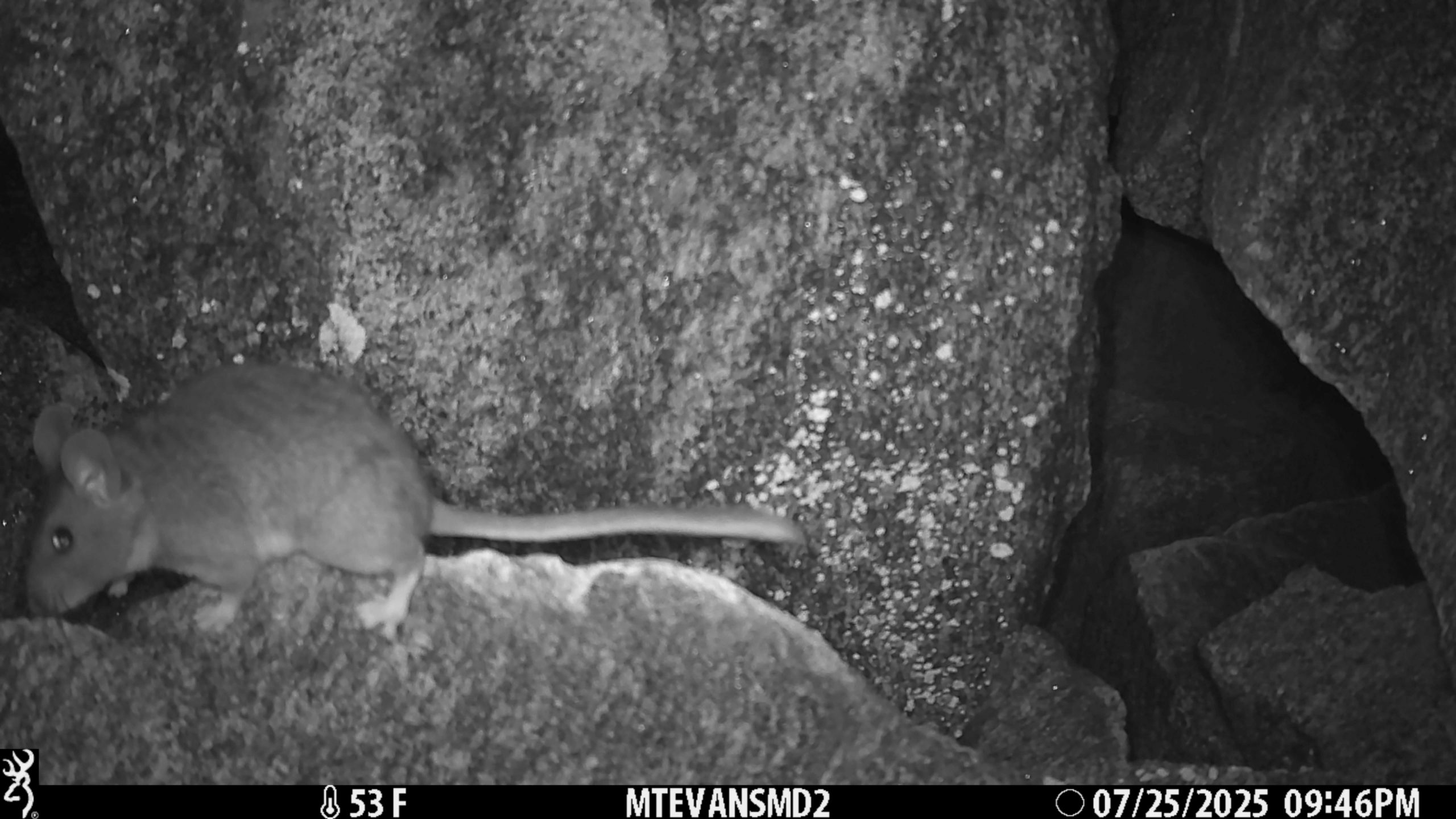
Another aspect that Billman is working to understand is which species might benefit as suitable habitat conditions shift. In territories no longer occupied by pikas, one species that is moving in appears to be the bushy-tailed woodrat. They are colloquially called packrats because they love to collect and stash items in their nests like shiny trinkets, bones, and sometimes entire dead birds, says Billman.
While the two species share some characteristics, one difference is woodrats are nocturnal, whereas pikas are active in the daytime. However, these new inhabitants are seen more as a pest when they move into garages, sheds, and cabins and therefore are not as welcomed by many.
"I think the woodrats are incredibly cute, but they are a hard sell for many people, relative to pikas," says Billman. "More welcomed species like pikas are declining whereas some warmer adapted species are benefiting from climate change. In this case the bushy-tailed woodrat appears to be benefiting, likely because their nocturnal behavior allows them to avoid the otherwise high daytime temperatures."
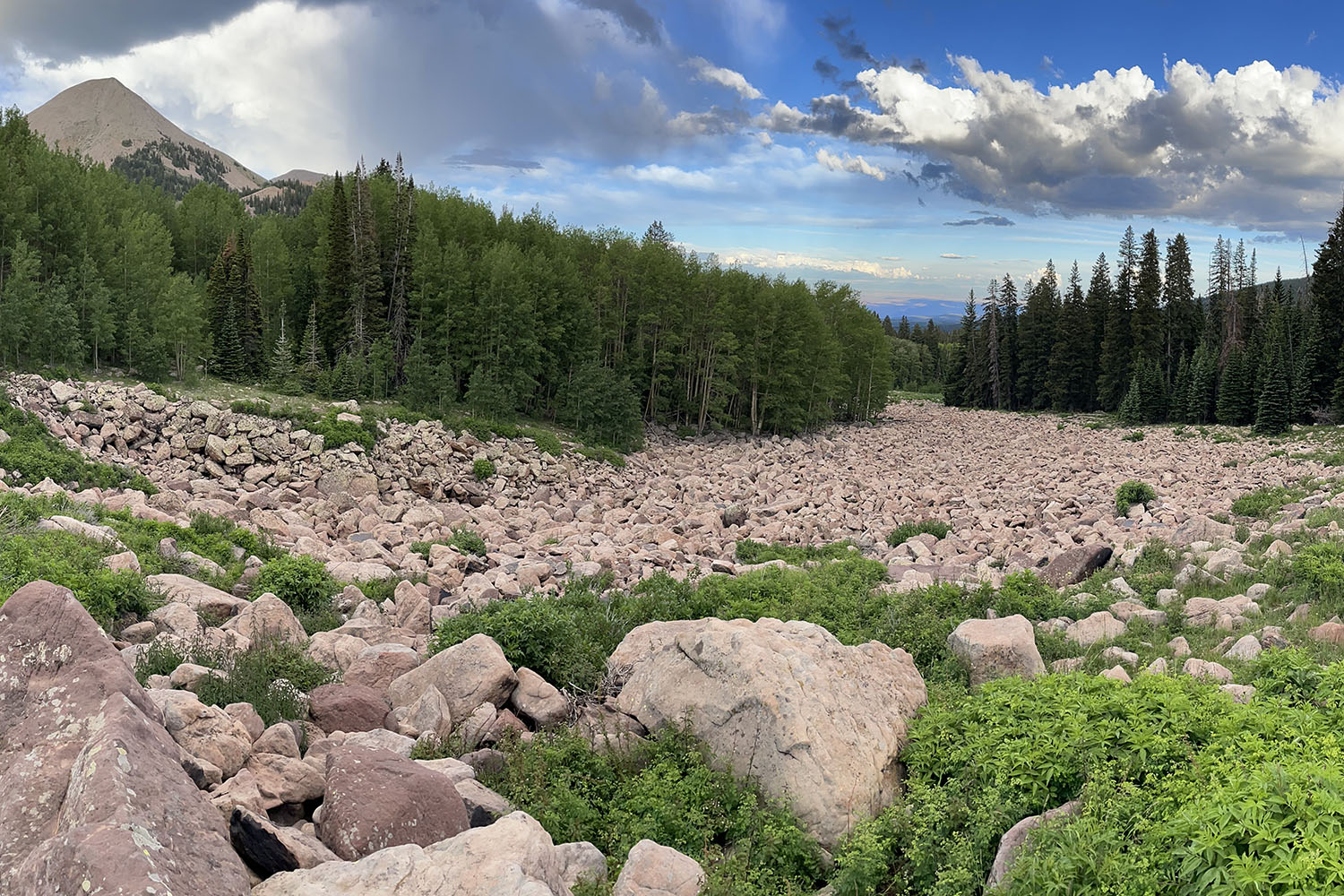
Though pikas have gone extinct in some areas, with many more areas likely to follow suit by 2100, Billman says the species is expected to remain stable in many areas further north in Washington and Canada.
"Our models suggest that while several large strongholds are likely to persist well into the future, the overall outlook for the species is concerning in the absence of future adaptation. From a research perspective, this raises difficult questions about how best to inform wildlife managers, particularly given the limited tools currently available to slow or prevent these declines. Importantly though, we do not expect the species to go extinct entirely. However, continued losses of low- and mid-elevation populations across much of the western United States are likely," says Billman. "Even so, the persistence of pikas in various strongholds provides hope that future conservation efforts might help sustain the species in parts of its range as climatic conditions continue to change."


