
When her family moved from Somalia to London in the 1980s, Safia Jama watched women in her community help her mother navigate a new life in the UK - booking doctor's appointments, enrolling children in school, and learning how to access everyday services in a new country.
From then on, Safia learned early what it meant to look out for others.
As a primary school student, Safia began helping newly arrived families by translating at GP appointments and other essential meetings, drawing on her own family's experience of migration.
Now, Safia leads the Women's Inclusive Team (WIT) as its Chief Executive - a grassroots charity dedicated to supporting women from diverse backgrounds through socially inclusive, culturally sensitive, and well-being-focused programs.
Catalysts for innovation
By moving between cultures and belonging, not only do migrant and diaspora leaders gain a unique perspective, but they often become catalysts for innovation -strengthening local communities, families, and services, and contributing to society more broadly.
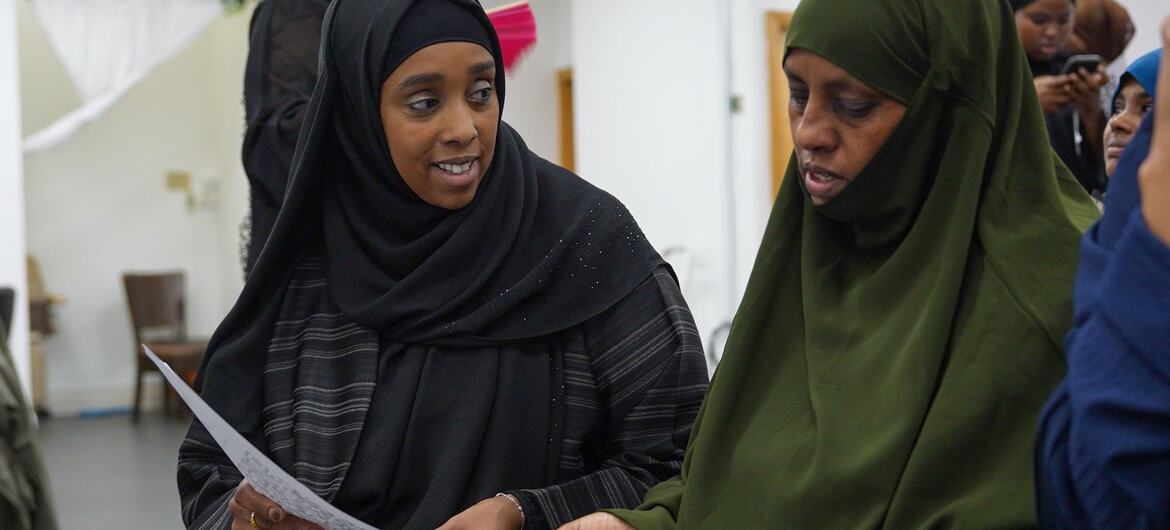
Alongside other women, Safia began running small sessions focused on play-based learning and parenting.
"When I became a young mum in my early twenties, I realised how powerful learning through play could be, especially if women experienced it together," Safia recalled.
At the time, these approaches were not widely accessible across all communities, and many mothers lacked spaces where they could learn and support one another.
As the charity grew, these activities expanded beyond learning, opening pathways into employment and skills development for women in the community.
"Today, the work creates opportunities that support both families and livelihoods," said Safia.
Diaspora leadership
Remittances are vital for families and communities across borders, with around £9.3 billion sent from the UK to Somalia each year.
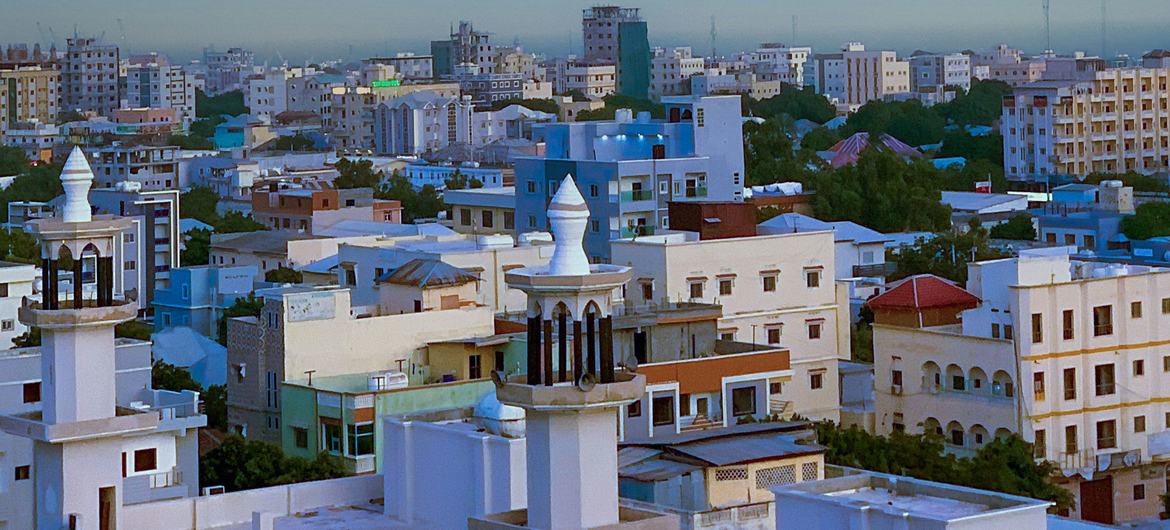
Partnering with the International Organization for Migration ( IOM ), WIT's project helps diaspora communities reduce these costs.
Through digital financial literacy activities, participants cut remittance fees by half in the first year, enabling families to make better use of their resources.
For Safia, however, diaspora leadership extends far beyond financial transfers. It is rooted in care, resilience, and responsibility, contributing to stability and opportunity both in countries of origin and in the UK.
"The connection with our villages in countries of origin is crucial," she said. "As everywhere, large cities usually attract most resources. The money we send helps build roads, hospitals, and supports communities that might otherwise be overlooked."
Women are crucial
According to Safia, women play a central role when it comes to remittances. "It is often women who manage the money transfers. They play a central role in supporting their families and communities." she emphasised.
Women not only handle most money transfers, but they also share the knowledge they gain with others in their community, often driving both cultural and systemic change.
Safia's story reflects the strength of diaspora leadership, built through care, shared knowledge, and long-term commitment.
Through women supporting women and communities investing in one another, her journey shows how everyday acts of responsibility can strengthen societies over time.


