
A night of drone attacks reportedly killed two people and injured 12 in the Ukrainian port city of Odesa, as a maternity hospital and three educational facilities were also damaged.
In a night of further terror for civilians, on 28 March, a drone strike hit the Odesa Maternity Hospital No.5 with dozens of pregnant women and newborns inside.
The patients were safe due to the underground shelter, and no one was hurt in the strike, according to the UN World Health Organisation ( WHO ).
32 new mothers and 22 newborns were evacuated to other facilities as the hospital was badly damaged. Attacks on hospitals violate international humanitarian law. It is the fifth UN supported maternity hospital to be hit in Ukraine this year alone.
Attacks in other regions
Elsewhere in Ukraine, the Mykolaiv region also came under attack, resulting in the death of a child and injuries to several other residents, including children.
A school and other infrastructure were also damaged. The UN aid coordination office, OCHA , said humanitarians have provided emergency support to those in need.
In the latest round of drone attacks by Russia, a 13-year-old boy was killed in Kramatorsk while a 13-year-old girl was killed in Voskresenske, according to reports from UN Children's Fund, UNICEF , who called for an "end attacks and the senseless devastation of young lives".
Afghanistan's human rights crisis continues
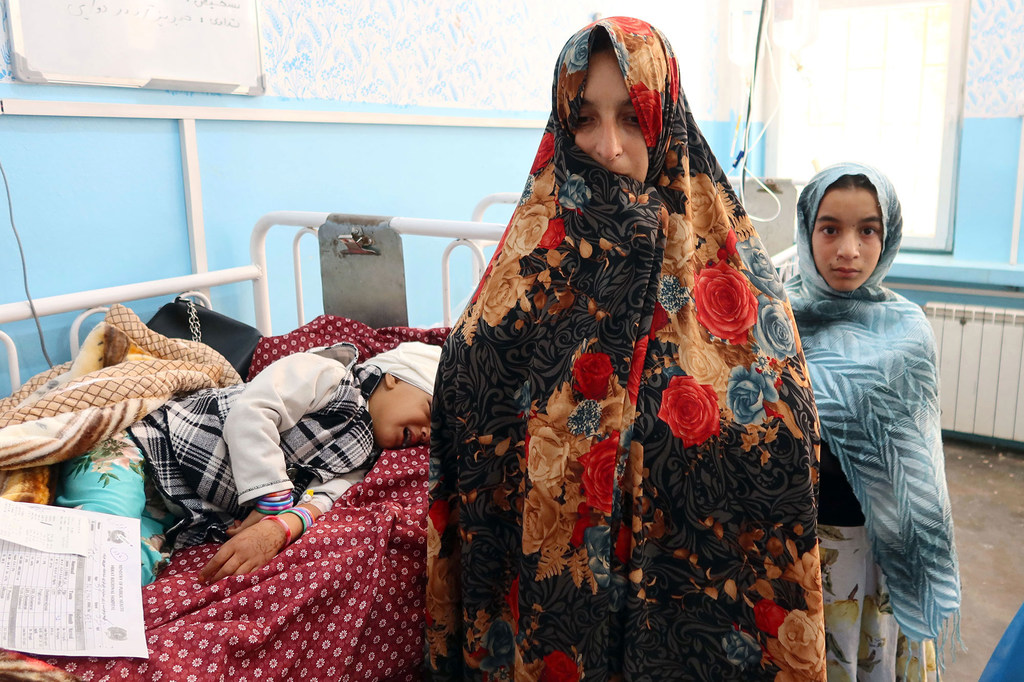
Women and girls continue to be erased from public life through Taliban decree, a ccording to a new report by UN human rights office.
In the period between August 2025 and January this year, the report found that girls continue to be barred from education above sixth grade, medical graduation examinations were held without women for the second year running in November.
Women not complying with the chador requirement were removed from public transport and denied access to public markets and services.
Elsewhere, Taliban security forces continue to prevent Afghan women, including UN staff, contractors, and visitors, from entering UN premises nationwide.
Women and girls criminalised
Books authored by women were removed from the shelves of bookstores and libraries, including university libraries in some provinces, regardless of subject matter, content, or the author's nationality.
"The de facto authorities have, in effect, criminalised the presence of women and girls in public life," said UN Human Rights chief, Volker Türk, while presenting the report: "Women and girls are the present and the future, and the country cannot thrive without them."
Since 2021, the de facto authorities carried out 12 public executions, two of which occurred during the reporting period, in sports stadiums, in violation of the right to life. Corporal punishment is implemented in public on a weekly basis.
Meanwhile journalists and media workers continue to face arbitrary arrests and detention because of "disproportionate restrictions on the content they produce".
UN urges action to transform inefficient food systems
Every year, the world throws away roughly a billion tonnes of food that is absolutely safe to eat. Around 60 per cent of food waste happens at the household level while the rest comes mostly from food service and retail.
The issue was in the spotlight on Monday, the International Day of Zero Waste .
The staggering amount of edible food we toss out is the result of inefficient food systems - from production to distribution to consumption.
With the year's "Zero Waste Starts on Your Plate" focus, the UN is calling for transforming food systems to be more efficient, resilient and sustainability.
Methods of transformation
For example, governments can advance climate and biodiversity plans along with national policies that support these objectives.
Businesses can set measurable food waste reduction targets and integrate them into existing sustainability commitments.
Meanwhile, consumers can improve how they buy, store and prepare food to both cut waste and save resources.


