
South Sudan is buckling under a fresh wave of violence and displacement, after attacks and looting halted a major UN food convoy in restive Upper Nile state and clashes continue to spread in neighbouring Jonglei.
As fighting intensifies there between opposition forces and national troops, there are reports of airstrikes and daily civilian casualties.
UN agencies warn that worsening insecurity is blocking lifesaving aid, while hunger projections deteriorate and cholera treatment centres struggle to cope with an influx of newly displaced people.
The renewed violence comes as South Sudan's 2018 Revitalised Peace Agreement continue to fall apart amid stalled reforms, rising political tensions ahead of planned elections in 2026, and mounting pressure from more than one million refugees fleeing the brutal war in neighbouring Sudan .
What's happening in South Sudan, and why it matters
Click here to read a summary of threats to South Sudan's peace process and the converging political, security and humanitarian crises, and their impact on civilians.
WFP convoy attacked, activities suspended
The UN World Food Programme ( WFP ) on Wednesday suspended all activities in Baliet County, Upper Nile state, following repeated attacks on a convoy carrying humanitarian assistance down river.
Between last Friday and Sunday, a 12-boat convoy transporting more than 1,500 metric tonnes of food and other relief items was attacked several times by armed youth.
The cargo was later looted in multiple locations, despite receiving prior security assurances for the safe passage of aid.
WFP said the suspension would remain in place until the safety of its staff, partners and contractors is assured and authorities take immediate steps to recover the stolen supplies.
"Attacks on humanitarians are never acceptable," WFP said , urging all parties to respect humanitarian workers and safeguard the facilities and resources essential for delivering aid.
Aid access under threat
The convoy attack reflects a broader collapse in humanitarian access, particularly in Jonglei state, where renewed fighting since late December has intensified clashes between the South Sudan People's Defense Forces and the South Sudan People's Liberation Army-in-Opposition across multiple counties.
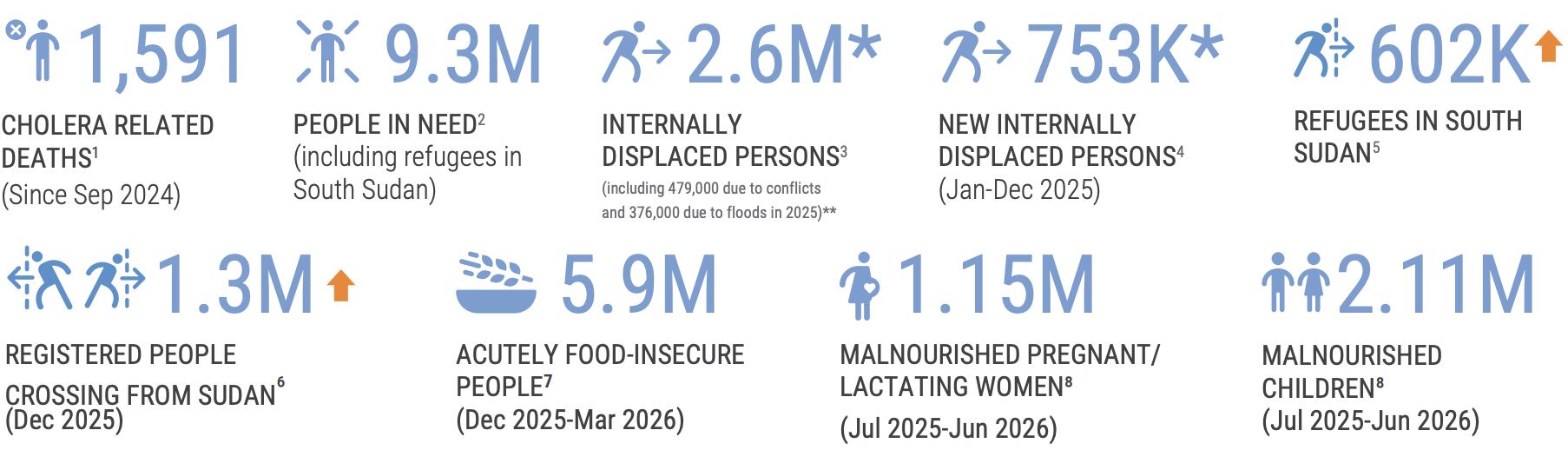
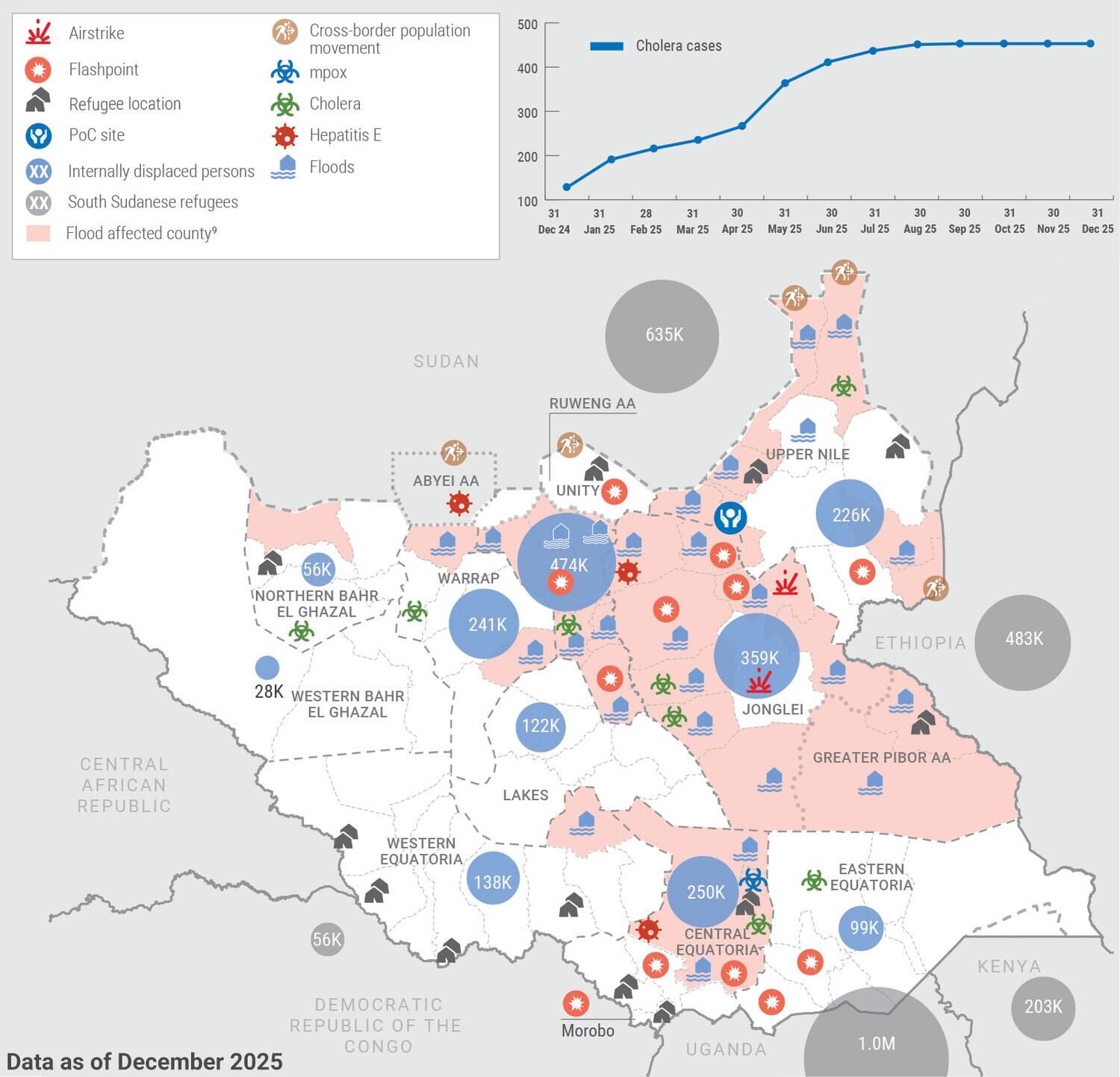
According to the UN relief coordination office, OCHA , fighting and airstrikes have displaced around 280,000 people since late December, including more than 235,000 across Jonglei alone. Many have fled to areas with minimal water, sanitation and health services, sharply increasing the risk of disease outbreaks.
Humanitarian partners report that at least seven aid facilities have been looted or damaged in Jonglei, with assets confiscated and aid workers intimidated, forcing the suspension of operations in several locations.
Hospitals hit, services halted
The medical charity Médecins Sans Frontières (MSF) reported that Government forces bombarded its hospital in Lankien, Jonglei State, overnight on 3 February, destroying the main warehouse and most critical medical supplies. One MSF staff member suffered minor injuries.
In a separate incident the same day, MSF's health facility in Pieri was looted by unknown assailants, forcing staff to flee. The NGO said the violence had left around 250,000 people without healthcare, as the organization had been the only provider in the area.
Hunger and disease risks rising
UN agencies warn that escalating conflict is expected to significantly worsen food insecurity, particularly in northern Jonglei and Upper Nile states.
Projections indicate that the number of counties facing emergency-level hunger (IPC Phase 4) between February and May will more than double, with some households at risk of slipping into catastrophic conditions (IPC Phase 5).
Insecurity has already forced WFP to pause plans to pre-position 12,000 metric tons of food ahead of the rainy season in Jonglei, raising concerns that access will further deteriorate once roads become impassable.
Since September 2024, South Sudan has recorded nearly 98,000 cholera cases and more than 1,600 deaths, with Jonglei among the worst affected, overwhelming treatment centres.


