
Members of the 374th Airlift Wing integrated with U.S. Army and Japan Ground Self-Defense Force personnel to execute a joint forcible entry operation during exercise North Wind 26 in Hokkaido, Japan, Jan. 22, 2025.
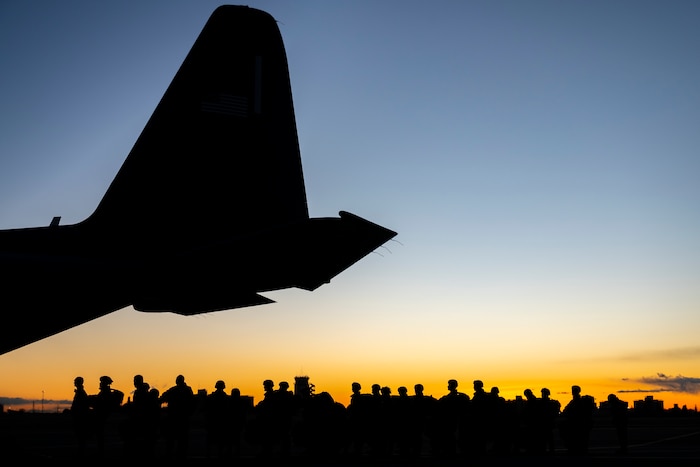
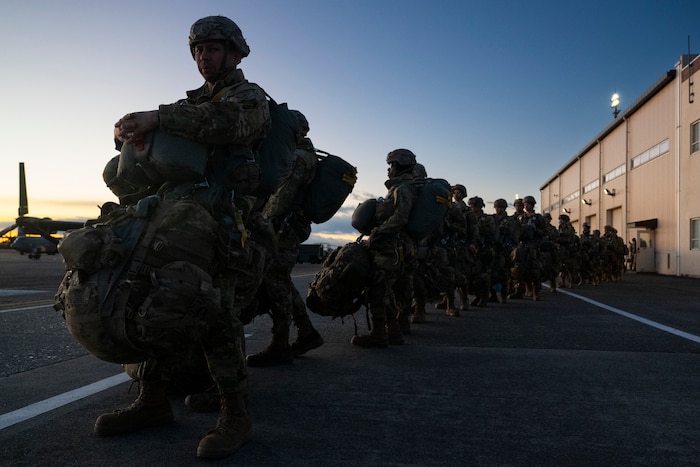
Exercise North Wind 26 is a joint and bilateral arctic field training exercise designed to strengthen winter operational capabilities and enhance interoperability between U.S. and Japanese forces. Four C-130J Super Hercules assigned to the 36th Airlift Squadron were tasked to airdrop 106 U.S. Army paratroopers assigned to the 11th Airborne Division, 2nd Brigade, into the Hokkaido Large-Scale Exercise Area. The operation was further integrated with jumpmasters from the JGSDF's 1st Airborne Brigade.
"This mission was a mini joint forcible entry operation involving an airfield seizure and airborne insertion into an objective area," said U.S. Air Force Capt. Joshua Osgard, 36 AS C-130J Super Hercules pilot and mission commander for North Wind 26. "The operation began at a designated drop zone in Hokkaido and transitioned into a follow-on airland mission at Chitose Air Base to prevent simulated enemy forces from advancing south."
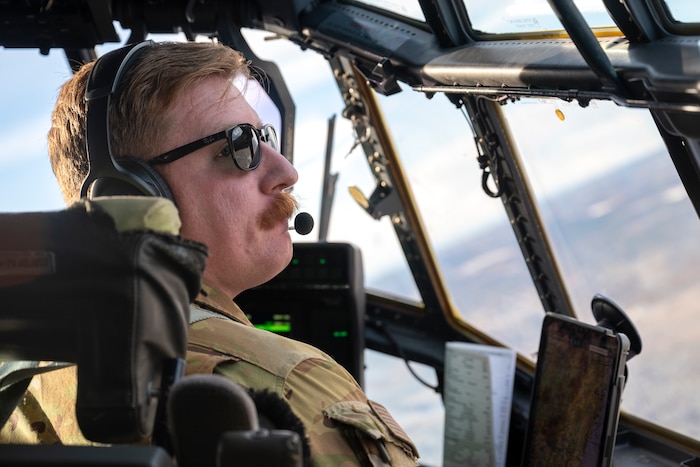
The operation required extensive coordination between air and ground forces across multiple services and nations. Planning for the mission spanned more than two weeks to synchronize aircraft, personnel, equipment and timelines.
"Interoperability means working together toward a common goal to succeed as a team," said Osgard. "We coordinated across the U.S. Army's 11th Airborne Division, the 36th Airlift Squadron flying C-130Js and Japan Self-Defense Force observers operating out of Chitose Air Base and the drop zone. The execution was seamless from start to finish."
Paratroopers staged at the 374th Logistics Readiness Squadron combat mobility flight building to rig equipment and conduct mission briefs as C-130Js taxied into position. Following the airdrop, the paratroopers assembled on the drop zone and transitioned into extended cold-weather training.
"Once on the ground, they conducted personnel and equipment checks and then moved into five days of cold-weather training," said U.S. Army Capt. Spencer McGrete, 36 AS ground liaison officer. "That training was conducted in conjunction with the Japanese Ground Self-Defense Force and culminated in a field training exercise simulating combat conditions where those skills were tested."
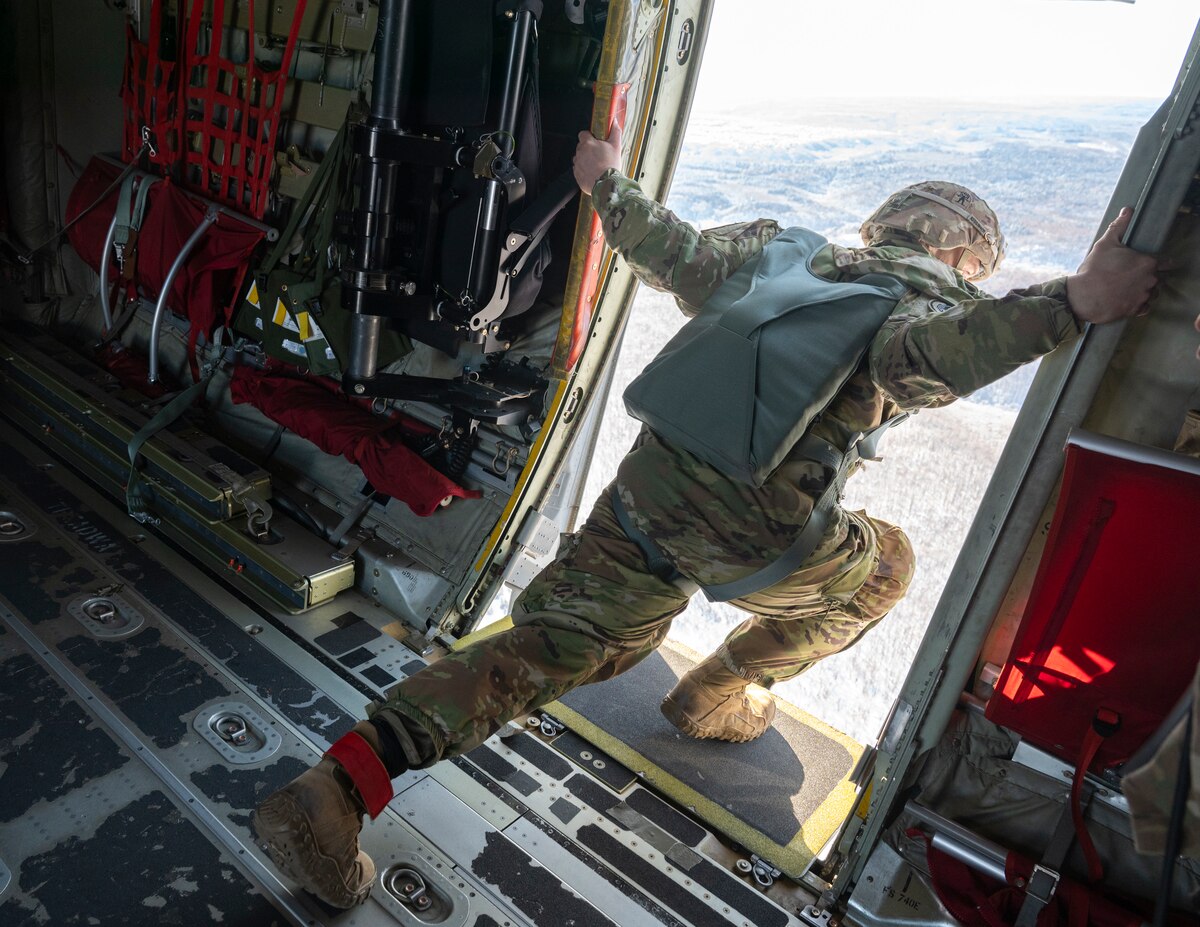
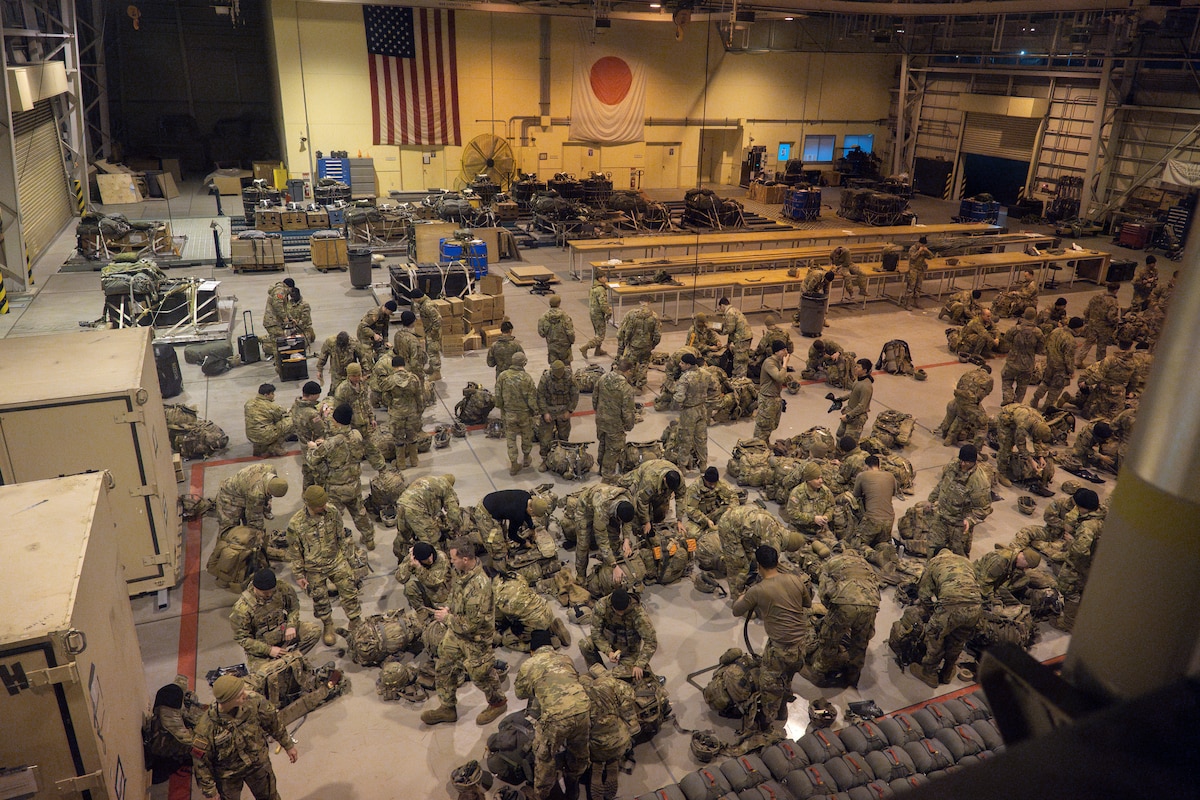

The C-130Js conducted a follow-on airland mission to Chitose Air Base after ground forces were in-place, simulating an airfield seizure to deny enemy movement and enable continued joint operations. This offered an opportunity to execute full-scale operations beyond simulated training for all participants.
"The level of professionalism was outstanding, from the aircrews and paratroopers to the Japanese Ground Self-Defense Force and everyone at Yokota who helped make this happen," said McGrete. "There were challenges, but through communication and collaboration as a multinational team, we accomplished the mission."
Exercise North Wind 26 reinforced the ability of U.S. and Japanese forces to rapidly integrate, operate in austere cold-weather conditions and execute complex joint missions in support of regional security and alliance readiness.
"We wouldn't be here without the Japan Self-Defense Force," said Osgard. "This partnership allows us to conduct complex operations in challenging environments in a strategically significant region. That relationship is critical given the pacing threats in the Pacific."


