
Warrnambool nurse Kim Cameron knows firsthand just how quickly stroke can strike. Now, five years since recovering from her own stroke, the mum of three is lacing up her walking shoes to help others recognise the signs and act F.A.S.T.
In 2021, Kim was visiting a local market, shortly after celebrating her 50th birthday, when she began feeling a strange sensation wash over her body.
"I was with my aunt who had only learnt the F.A.S.T. message two weeks earlier. She recognised the signs straight away and rushed me to hospital," Kim said.
"It was the scariest day of my life. I arrived at hospital within 20 minutes and, luckily, knew one of the nurses. I had a telehealth appointment with a Melbourne physician, who confirmed I'd had a stroke. I received clot-busting medication and was back to normal within three hours."
Months later, Kim learned she had a patent foramen ovale (PFO), a hole in the heart that can increase a person's risk of stroke.
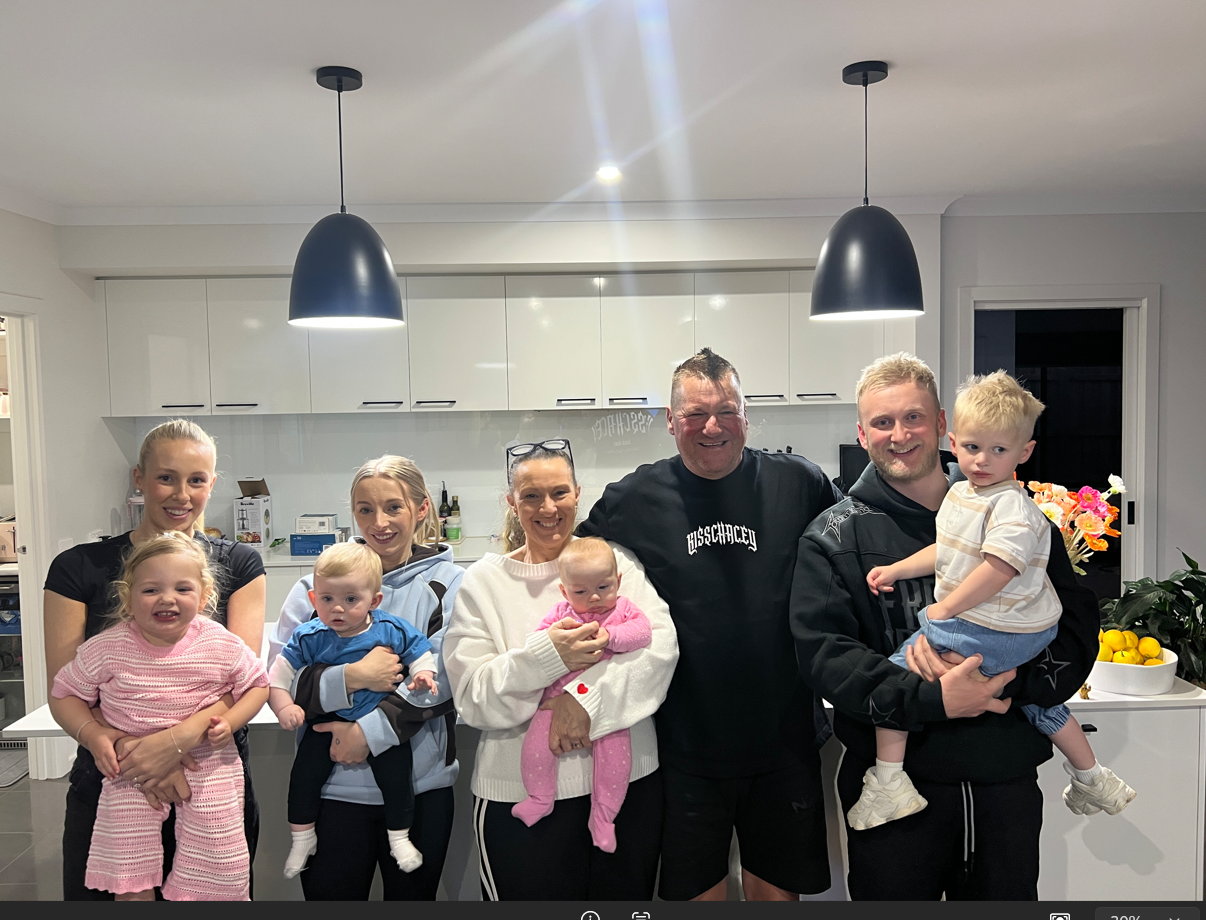
"I had been experiencing migraines for years, I haven't had one since having surgery to fix the hole in my heart," she said.
"I thank my lucky stars every day I have no deficits from my stroke. I'm sure that knowing the F.A.S.T message and getting to hospital quickly saved my life."
This month, Kim is walking every day as part of Stroke Foundation's annual fundraiser, Stride4Stroke.
Stroke Foundation Chief Executive Officer Dr Lisa Murphy urged all Australians to join Kim in moving their bodies this month.
"Kim's story shows us that stroke does not discriminate. Working aged people, and even children and babies, can have strokes. An Australian has a stroke every 11 minutes," Dr Murphy said.
"Around 80 percent of strokes can be prevented. One way of lowering your stroke risk is by getting regular check-ups with your GP, and making healthier changes such as exercising regularly, quitting smoking, eating a healthy balanced diet and reducing your alcohol intake.
"Just 30 minutes of exercise five times a week can reduce your risk of stroke by 25 per cent, and every dollar raised goes towards vital stroke prevention, research, recovery programs and advocacy."


