
Reef Authority experts are calling on citizen scientists to help unlock the mystery of the whale sharks of the Coral Sea.
Little is known about the star-speckled giants of the sea or where whale shark aggregations can be found on the Great Barrier Reef.
But latest findings from the Eye on the Reef program reveal a surge in whale shark activity, with reefs off Townsville and the Far North becoming key areas of interest.
In the last four months alone, eight sightings have been recorded - an unusually high frequency for this period.
Reef Authority's Eye on the Reef Program Manager Chris Jones said the Townsville data stands out due to the high frequency of sightings despite lower boat traffic compared to other hubs.
"While places like Cairns see a high volume of sightings, they also have significantly more tourism vessels on the water," he said.
"The fact that we are seeing this cluster of sightings off the Townsville region with fewer boats suggests there is something truly special happening here.
"However, we need more sightings to identify any patterns."
Reef Authority Field Management Director Dr Mark Read said this localised activity may be linked to broader biological events occurring across the Marine Park.
"Just like the famous aggregations at Ningaloo Reef, whale sharks on the east coast appear to gather around coral and fish spawning seasons," he said.
"While we have long known they visit the Reef, the latest data logged by citizen scientists is helping us better understand their movements and identify potential areas of interest."
The Reef Authority is calling on all reef-goers - from commercial operators to recreational divers - to help solve the mystery.
"If you have seen a whale shark on the Reef - even if it was 10 or 15 years ago - you can still enter them in Eye on the Reef app," Dr Read said.
"Every entry helps us identify long-term patterns and contributes to the global knowledge of where these sharks are going not just across the Reef, but around the planet."
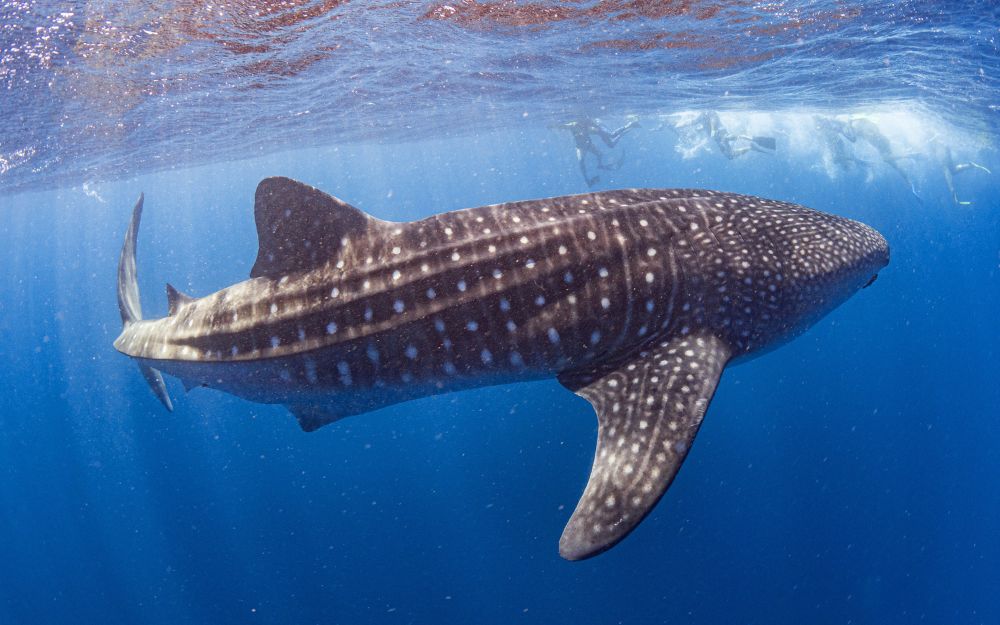
FAST FACTS:
- Whale sharks (Rhincodon typus) are the world's largest fish
- Despite their size - growing up to 18 metres - much about their breeding and migration remains unknown
- Each shark has a pattern of spots unique to them
- They are filter feeders that subsist on a diet of plankton and small fish and pose no risks to people
- Historically, more than 200 whale shark sightings have been logged across the Reef through the Eye on the Reef app
- While sightings occur year-round, peak activity on the Reef is usually November and December, corresponding with fish and coral spawning seasons
- The Reef Authority makes all Eye on the Reef app sightings available to researchers worldwide to support the global understanding of whale shark life history and migration patterns


