
Accessibility and inclusion are often mentioned together, but they are not the same thing. So, what's the difference?
Accessibility is about removing barriers that prevent people from reaching a place or accessing a service, event, or information. Inclusion is about making sure people feel welcome, respected, and able to participate.
What makes things accessible?
Different people experience different barriers, which means accessibility can take many forms.
For some people, accessibility means step-free entrances, accessible parking, lifts and wide and smooth pathways. For others it can mean tactile ground surface indicators, braille signage, audio information, hearing loop technology, captioning or Auslan interpretation.
For others, accessibility is about information and communication. Plain language information, accessible websites, and easy-to-understand and navigate services.
Including everyone
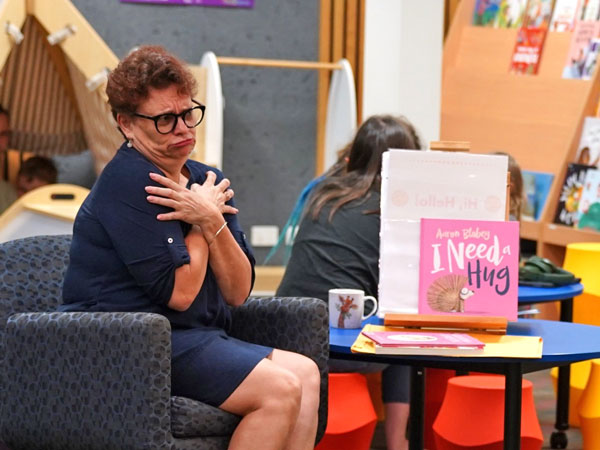
Does everyone feel welcomed and able to participate? That is the question at the core of inclusion.
Supportive and welcoming environments can be just as important as physical infrastructure.
For some people crowded, noisy or unfamiliar environments can be overwhelming and unwelcoming. Access to quiet spaces, relaxed performances, or information about what to expect before attending can be the thing that makes participation possible.
True inclusion recognises that people experience the world differently. Creating welcoming communities requires a range of approaches rather than a one-size-fits-all solution.
Which is why Cairns Regional Council is seeking feedback from people with disability, their families, carers, support workers, and the broader community to help shape the next Disability Access and Inclusion Plan.
It's a win-win – everybody benefits from better access
Improving accessibility doesn't only benefit people with disability.
An accessible pathway can make it easier for a wheelchair user to get around, help a parent pushing a pram, and assist someone recovering from a sporting injury. Clear signage can support people with cognitive disability while also helping visitors find their way around an unfamiliar area. Seating and rest areas can benefit people with chronic health conditions, older residents and anyone who needs to stop and rest. Better access is better for everybody.
Building on previous successes
Cairns Regional Council has a long-standing commitment to improving accessibility and inclusion across the region.
Through previous Disability Access and Inclusion Plans, Council has delivered a range of initiatives including accessible facilities, communication support services, hearing loops, braille and tactile street signage, beach wheelchairs , quiet spaces and Changing Places facilities.
The next Disability Access and Inclusion Plan will build on these achievements while identifying new priorities and opportunities for improvement. Community feedback will play an important role in shaping that work and helping Council better understand the barriers and opportunities that exist across the region.
Have your say
Council wants to hear from people with lived experience of disability, as well as family members, carers, support workers, service providers and community members.
Whether your experiences relate to accessing public spaces, attending community events, finding information, using Council services or feeling included in community life, your feedback can help shape future improvements across the region.
Complete the Disability Access and Inclusion Plan survey and help create a more accessible and inclusive Cairns for everyone.


