
University of York research has played a key role in informing Bradford Council's Climate Action Plan (CAP), a far-reaching initiative to transition the district to a low-carbon future.
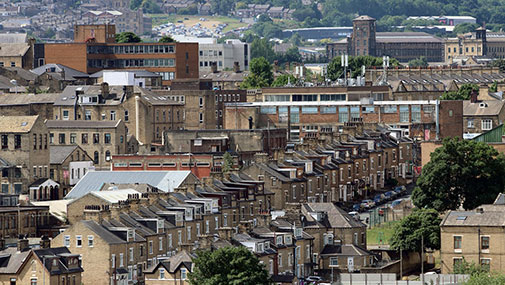 Bradford city centre. Image courtesy of Pixabay.
The plan outlines measures to ensure local people and industry in the region work together to achieve net zero, while promoting clean economic growth, new jobs and investment.
Supported
Dr Kelli Kennedy, a research associate in the Department of Health Sciences, said: "We supported the Council to ensure the voices of the local community were taken seriously, and used as real evidence in the drive to limit the effects of climate change.
She said researchers from the University's Department of Health Sciences spoke with 30 residents from two Bradford wards in Spring and Summer 2025. They trained six community researchers, who then co-facilitated a three-part workshop series in each ward.
Dr Kennedy said: "We spent over six hours with all the participants diving into climate and importantly about what they envisage Bradford's future to be. We found the participants engaged and they frequently said no one has ever asked them about the climate before.
"The real strength universities have is to be able to help translate this evidence into policy and action."
Award
Following publication of the report Dr Kennedy has been named as a recipient of the inaugural Shared Green Society award. The award recognises outstanding research by early career and PhD researchers from the Social Sciences and Humanities and which supports Europe's green transition by "strengthening participation, knowledge exchange, and inclusive policymaking".
"It was a huge surprise at the awards ceremony to be selected for the award, especially after hearing about all the wonderful projects and researchers shortlisted," said Dr Kennedy.
"The work with Bradford is a great contribution to the field and I'm thrilled it's being discussed and appreciated on the European stage."
Collaboration
The report also highlights a collaboration between Bradford Council's public health team and FixOurFood, as well as local children, families and schools to produce new healthy, sustainable food at school.
Professor Maria Bryant, co-investigator on FixOurFood, said: "It's great to contribute to the discussions in this report, which brings together a number of important actions on climate through community voices."
"We've worked in partnership with schools and communities in Bradford as part of the FixOurFood in School 'menu swap' project to enhance plant based meals, and the BiB Breathes project which is evaluating the Bradford Clean Air Zone.
"For me, the lessons from both of these highlight the importance of meaningful two-way communication to set priorities and co-design action plans. Well done to Kelli and the rest of the team for demonstrating how this is done effectively in practice."


