
Young people - especially women - increasingly fear being drugged, and the phenomenon is more widespread and complex than previously assumed. This is shown in a new report from the Criminological Observatory at the University of Copenhagen.
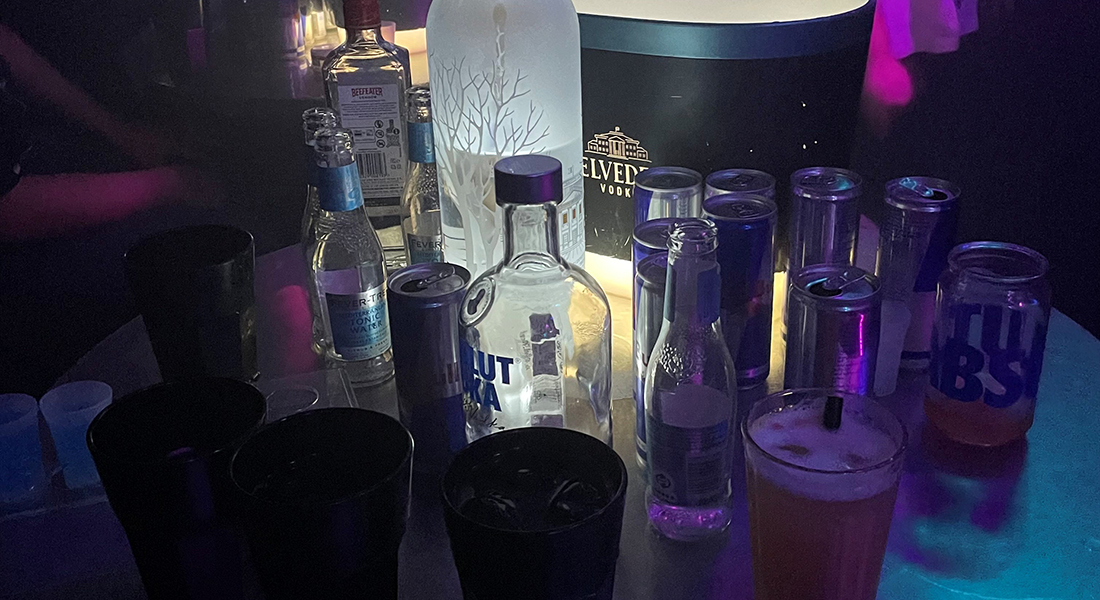
Having substances slipped into one's drink without consent is, for many young people, among the most disturbing risks associated with going out at night. But how big is the actual risk, who is affected, and what lies behind it?
A new report from the Criminological Observatory at the University of Copenhagen offers the most comprehensive insight to date into drugging in Denmark - its extent, motives, and consequences. The report is based on survey data, interviews, ethnographic fieldwork, and a review of international legislation and initiatives in the area.
The conclusions are clear and troubling: Fear of drugging is widespread, the actions are complex - and vanishingly few report the incident to the police.
Drugging shapes young people's behaviour in nightlife
Young women in particular worry about being drugged and rely on a wide repertoire of precautionary measures - often without thinking about it. They keep an eye on their drink, avoid certain places, and stay close to friends. These concerns shape their social lives - and in some cases keep them away from nightlife altogether.
Key points from the report
- Drugging is increasing: calls to the Danish Poison Line have risen from 95 to over 700 annually in eight years.
- 46% of young people worry about being drugged.
- Researchers identify seven types of drugging with widely differing motives.
- Young women take significantly more precautions than men.
- Only approx. 2% report their experience to the police.
- Men's experiences are often overlooked and less often linked to drugging.
- Lack of procedures and late testing make cases difficult to solve.
'Concern about being drugged has become an integrated part of nightlife culture for many young people. It affects their movements and social interactions in nightlife. For young women especially, it has become part of the mental baggage they bring with them when they go out,' says Henrik Vigh, Professor and Head of the Criminological Observatory.
At the same time, the report shows that young men are also subjected to drugging - especially in connection with robbery, hate‑motivated episodes, or pranks - but that their experiences often fly under the radar because they are less likely to interpret the incident as drugging.
From pranks to theft and rape
A central finding in the report is that drugging is far from a single phenomenon. The researchers identify seven types: sexual drugging, LOL‑drugging, hate‑drugging, robbery‑drugging, hype‑drugging, test‑drugging and accidental drugging. Motives range from sexual assault to revenge, theft or simple curiosity.
'Drugging isn't one thing. It can be crime, assault, bullying, or a kind of social dynamic - and in some cases an unintended incident. When we conflate all episodes with sexual drugging, we overlook both victims and behavioural patterns that require other solutions,' says Jacob Fischer Møller, Anthropologist at the Criminological Observatory.
He stresses that nuance is crucial, because prevention otherwise becomes too narrow.
'If communication focuses solely on sexual assault, boys, men, LGBTQ+ people and victims of theft or pranks are overlooked,' emphasises Jacob Fischer Møller.
Low reporting rates and few solved cases
Despite the high level of concern, reporting rates are extremely low. Only a few per cent report the incident to the police, and even fewer cases are solved. Many victims say they were unsure about what had happened, or felt ashamed - and therefore chose not to contact the authorities.
Sexual drugging: Drugging for the purpose of rape and other sexual acts/assaults, e.g. forced oral sex.
LOL drugging: Drugging for fun at the expense of the victim(s).
Test drugging: The victim acts as a test subject to test the potency of drugs before sale or later use.
Hate drugging: Motivated by revenge, jealousy, anger and the desire to cause harm after, for example, rejection or conflict.
Robbery drugging: Drugging to enable theft and/or financial exploitation.
Hype drugging: Drugging to get people in a party mood or "revved up".
Mistake drugging: Unintentional drugging due to misunderstood consent, mistakes or poor communication.
'Drugging is an almost invisible crime. There is often no surveillance footage or resources to review it, blood tests are taken too late to detect common drugging substances, and victims may be uncertain about or unable to remember the course of events due to the effects of the substances. This makes solving the cases difficult,' says Jacob Fischer Møller.
The researchers point to easier access to testing and better information and training for young people and nightlife staff as ways to encourage more victims to come forward after drugging incidents.
The report Drugging in Denmark is published by the Criminological Observatory, University of Copenhagen, in collaboration with the Danish Crime Prevention Council and the Ministry of Environment and Gender Equality. Find the full report (in Danish) here.


