
Genomic study of the Asian house shrew reveals a complex history of Indo-Pacific trade and human migration
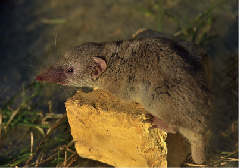
Sometimes mistaken for a strange-looking mouse with a long, pointed snout, the Asian house shrew is a small, furry animal known for its musky odor. It's usually found lurking near homes and farms, ports and cities, across Southeast Asia, East Africa, southern Japan, and islands across the Indian Ocean.
In new research published in the Zoological Journal of the Linnean Society, scientists from Hokkaido University show that hidden within the DNA of the Asian house shrew is a record of human migration, trade, and cultural exchange stretching from East Asia to the Arabian Sea.
Ever since humans first began to migrate, they have, sometimes unknowingly, carried other species with them. Like the Asian house shrew. By analyzing genetic data from specimens collected over a decade, researchers have now reconstructed the shrew's dispersal patterns and identified new routes of human movement and interaction.
The study shows that the Asian house shrew did not spread through a single migration event. Rather, its distribution reflects multiple waves of dispersal over a long period. The findings reveal a previously undocumented Indo-Pacific network linking Iran, Yemen, East Africa, the Indian Ocean islands, and West and Southeast Asia.
"Historical documents and archaeological evidence provide only part of the story of human history," says the lead author of the new study, Assistant Professor Satoshi Ohdachi. "Animals that have accompanied humans during their migrations have preserved additional evidence of human activities in their genomes."
By studying these genomes, researchers identified multiple migration routes connecting the Indian Ocean, Southeast Asia, and East Asia. For instance, populations of the Asian house shrew in Kyushu and the Ryukyu Islands in southern Japan originated from different regions, indicating that they were introduced into the country multiple times. Shrews from southwestern Iran show a close genetic relationship with shrews from Zanzibar in East Africa, while populations in Mauritius and Réunion are more closely related to Southeast Asian lineages. Meanwhile, Myanmar and Sri Lanka were likely isolated for a long time, given the distinct lineages there.
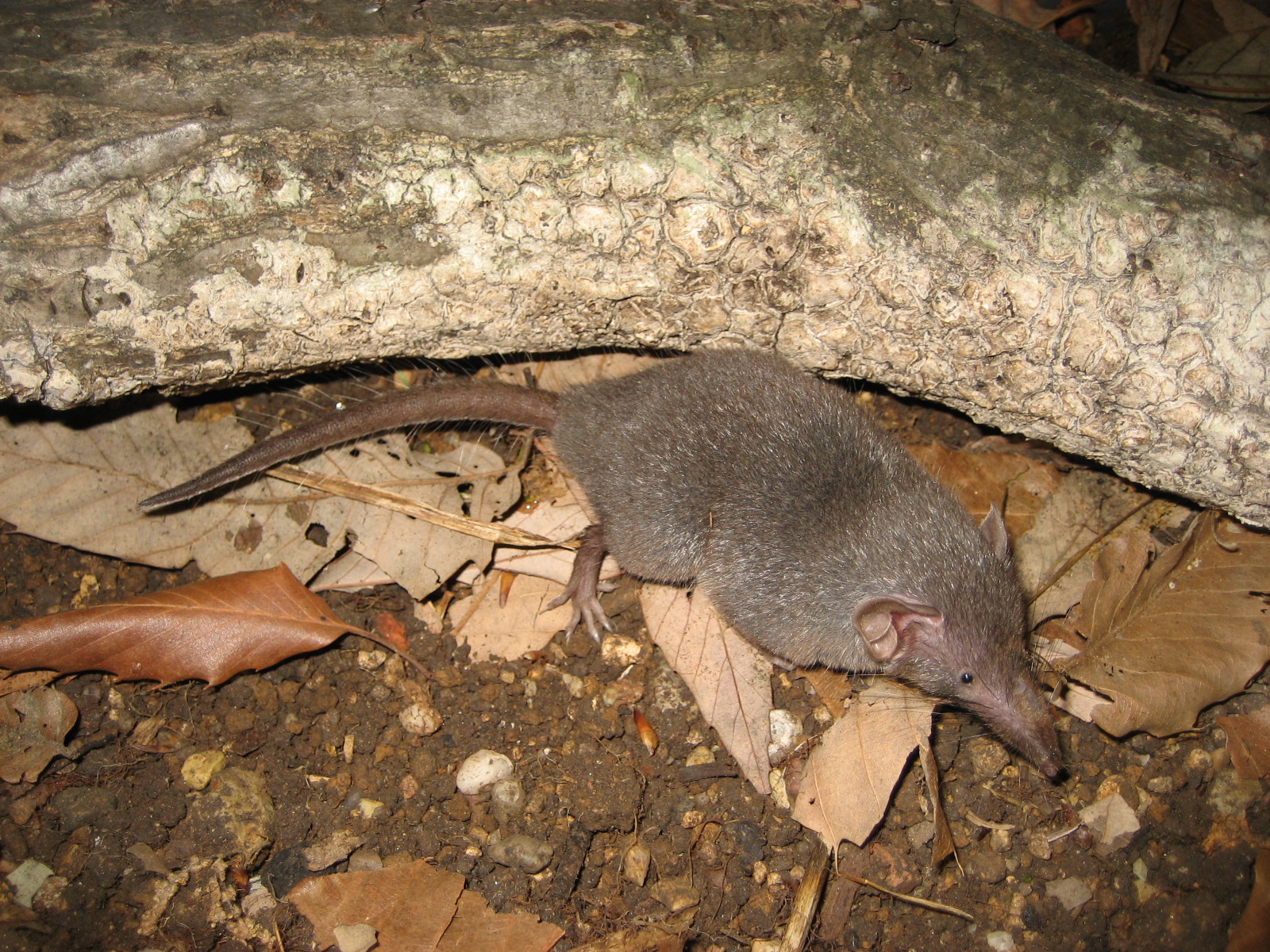
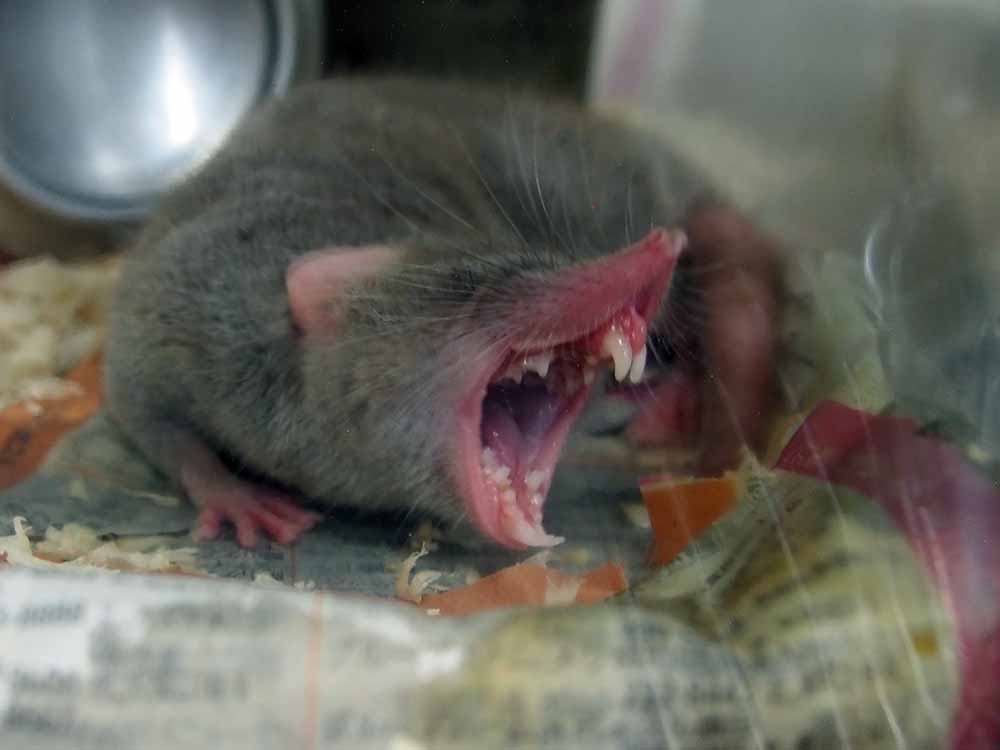
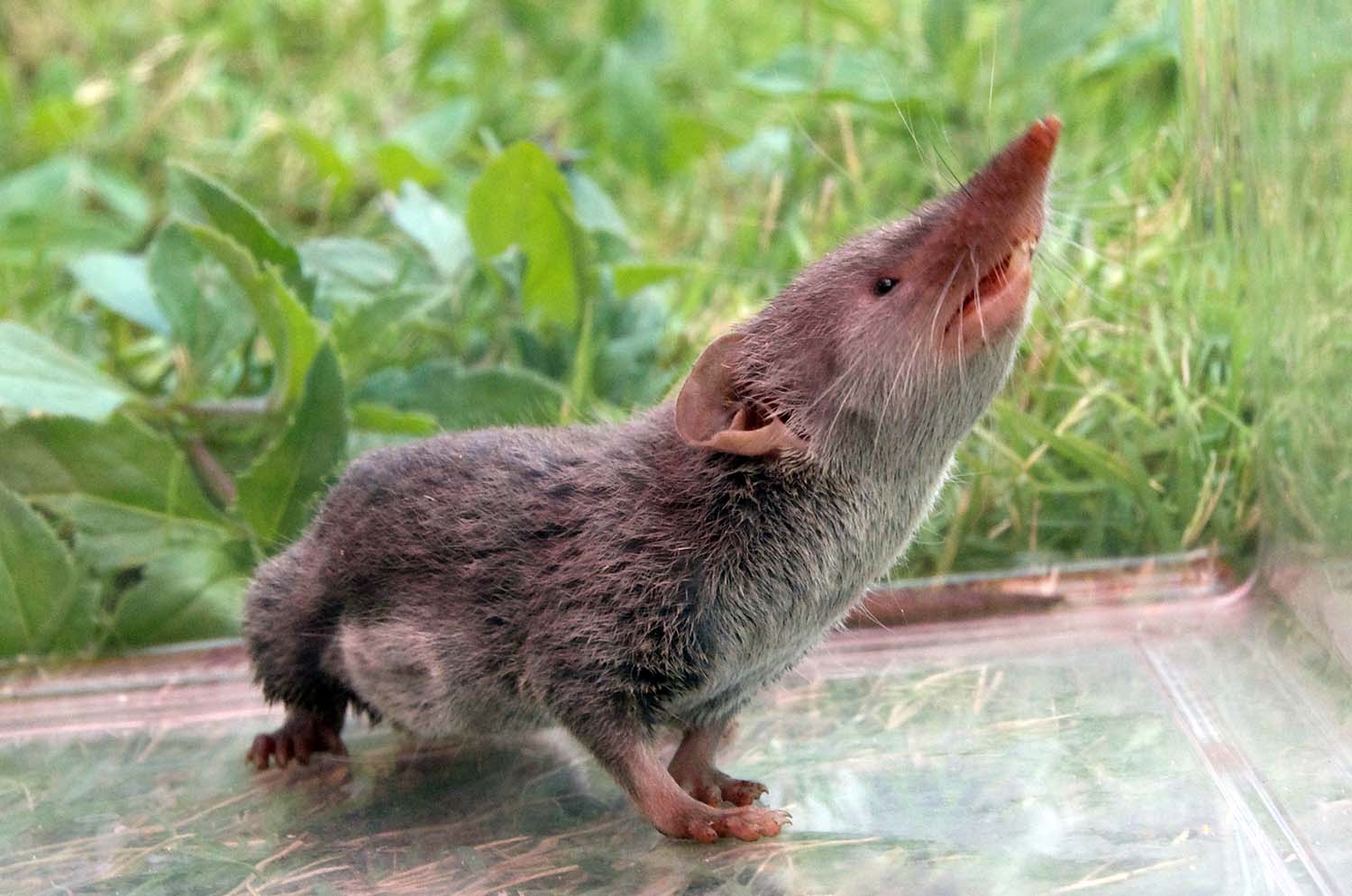
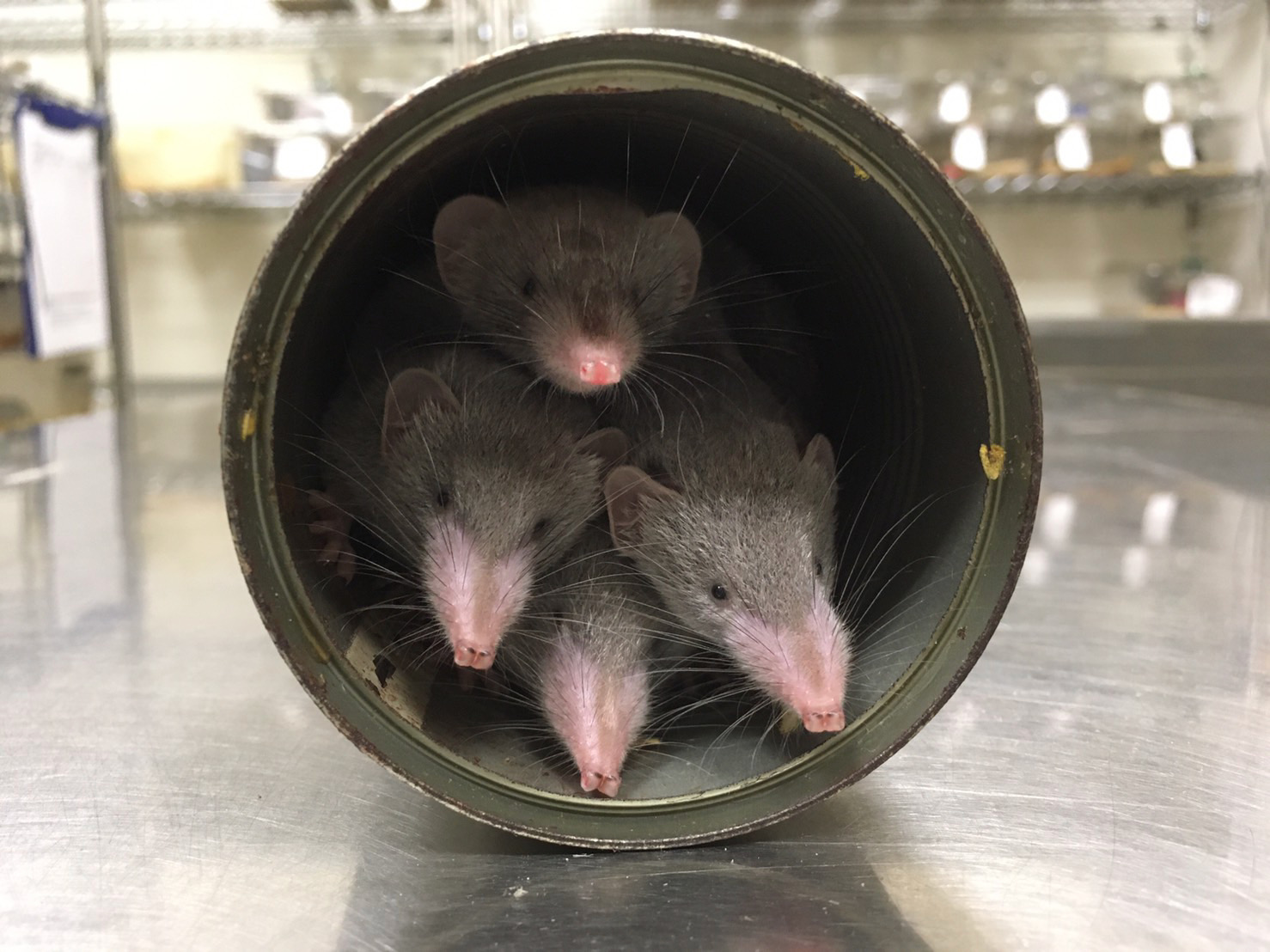
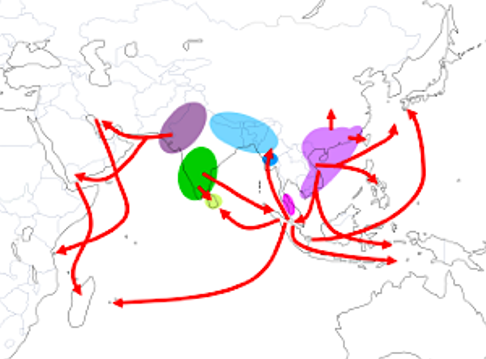
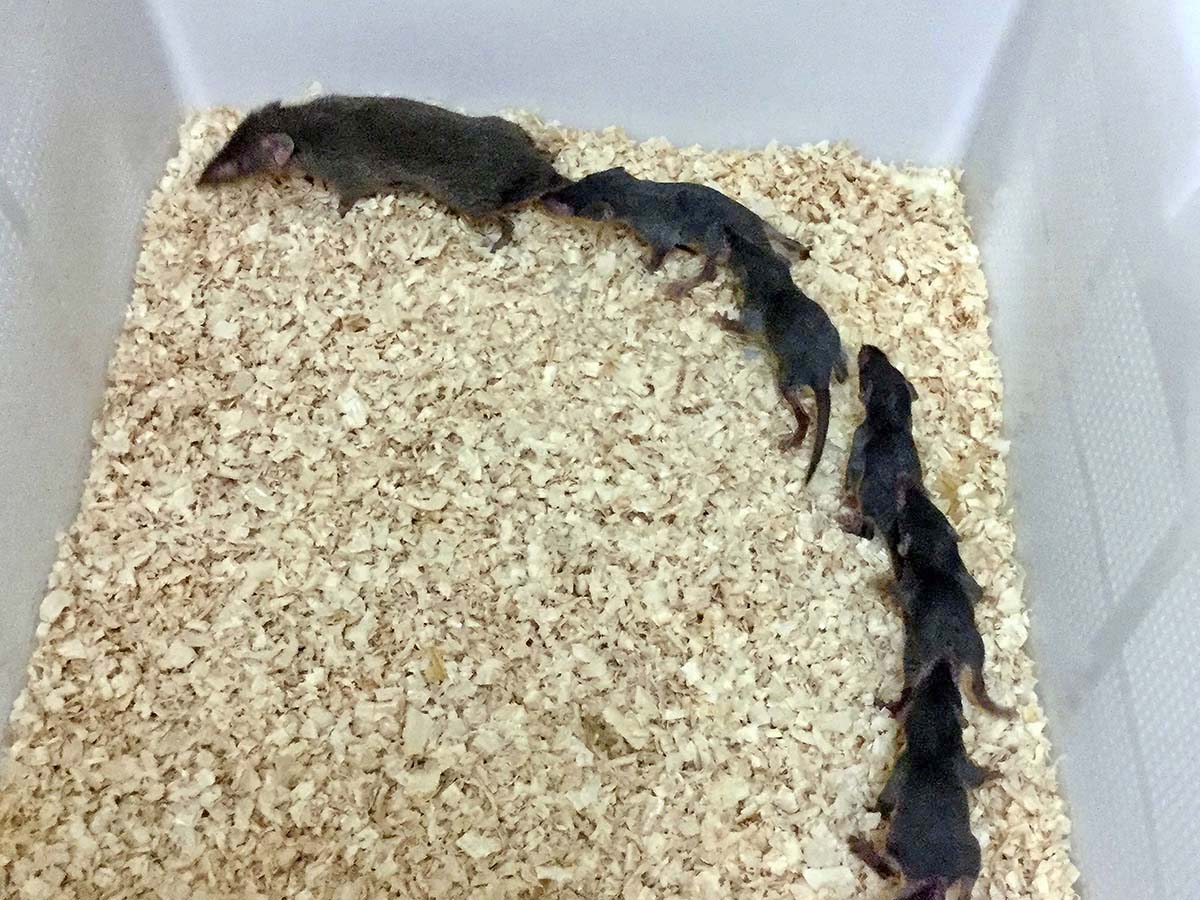
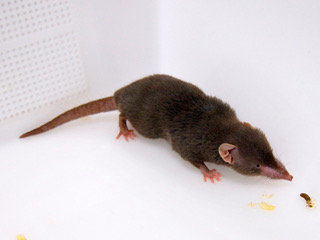
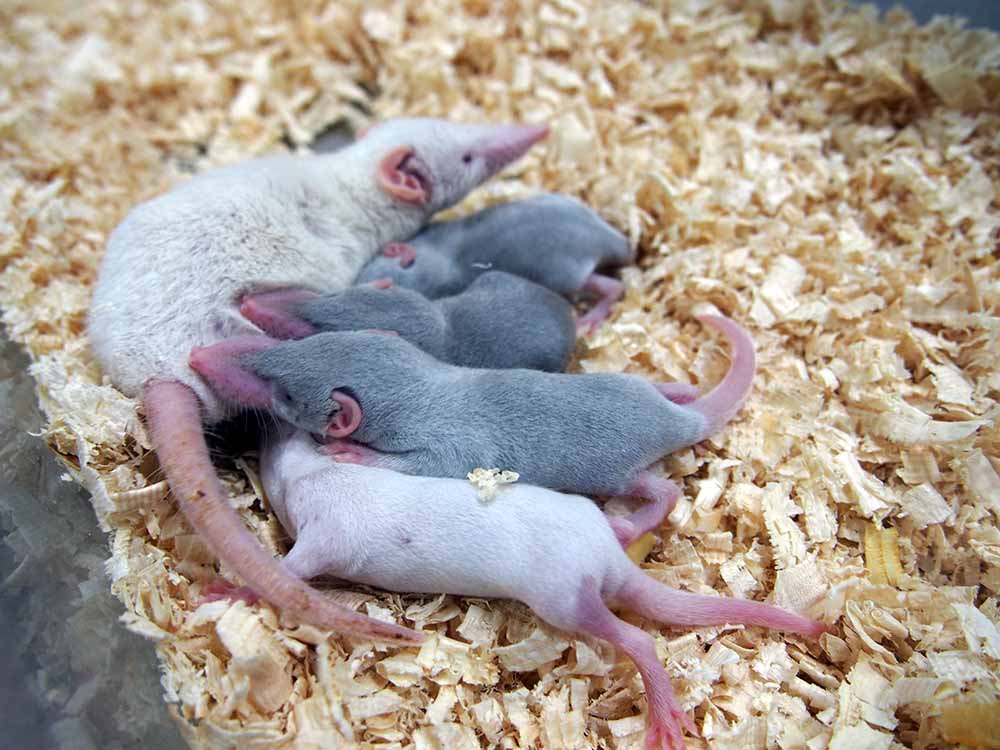
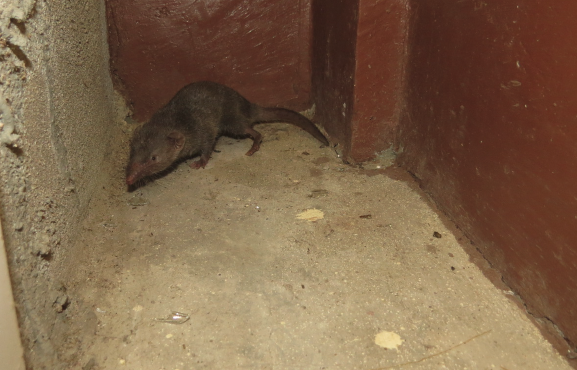
Shrew specimens from different regions were included in this study for genomic analysis.
Top row (left to right): (1) Okinawa Island; (2) mixed laboratory strain; (3) Melaka, Malaysia.
Middle row (left to right): (1) mixed laboratory strain; (2) illustration of ancient migratory movements of the Asian house shrew in the Indo-Pacific region; (3) laboratory strain.
Bottom row (left to right): (1) Kathmandu, Nepal; (2) mixed laboratory strain; (3) Myanmar.
(Photos: Satoshi Ohdachi, Kazuyuki Mekada, Takamichi Jogahara)
"Our results suggest a far more extensive and complex network of human interaction across the Indo-Pacific than previously imagined," says Ohdachi. "This region was shaped not by a single trade network, but by many interconnected regional exchange networks over the last 10,000 years or so."
Maritime routes stretching from the Arabian Sea to the South China Sea and the western Pacific are now widely recognized as part of the crucial "Indo-Pacific," yet there are still many unanswered questions about how this vast region was historically shaped by human interaction.
By offering a biological perspective on historical connectivity, the study highlights the value of interdisciplinary research. "The movements of these animals mirror the movements of people," Ohdachi adds. "Their genomes preserve traces of ancient trade networks and migrations that would otherwise be forgotten."
Original article:
Torisu et al., Genomic structure and biogeographic history of the Asian house shrew, Suncus murinus-montanus species complex (Eulipotyphla, Soricidae), reveal multiple dispersal events across southern Asia and the Indian Ocean region. Zoological Journal of the Linnean Society.
DOI: https://doi.org/10.1093/zoolinnean/zlag101
Funding:
This work was supported by MEXT KAKENHI Grant Numbers JP25304009, JP23H04846 and JP18H05508.


