
Parasitic analysis, micro-chemistry and genetics are being combined to help ensure the future of Australia's popular mangrove jack fish.
Also known as red snapper, Lutjanus argentimaculatus, found in northern Australian waters, is highly prized by anglers for its strong fighting instincts, by diners as an excellent eating fish and is valued by Indigenous Australians as an important totem species.
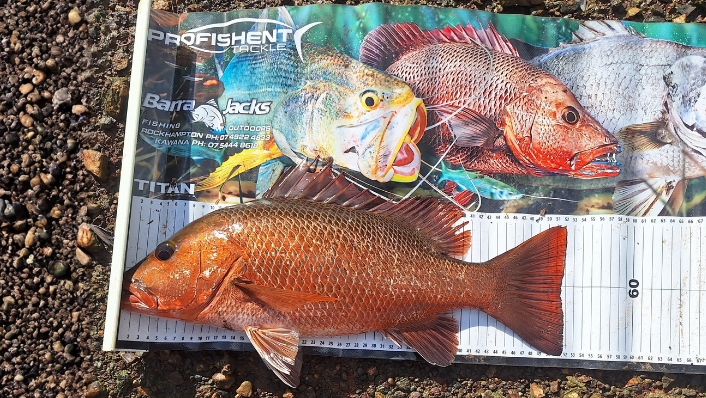
AIMS Experimental Scientist Dr Grant Johnson said that, up until recently, mangrove jack was thought to be a single genetic population across northern Australia.
However, as fish stock discrimination techniques have improved, it's now thought likely that there could be separate stocks in Australia.
AIMS researchers in Darwin are leading a collaborative project to resolve this uncertainty about Australia's mangrove jack stock structure.
"Understanding population boundaries would help inform sustainable management practices, particularly in areas where they are heavily targeted by fishers," Dr Johnson said.
"Over the past couple of years, we've enlisted the help of the community.
"More than 100 commercial and recreational fishers, as well as Indigenous rangers and school students have provided about 1500 fish frames, along with information about where they were caught."
The researchers used three different techniques to analyse them:
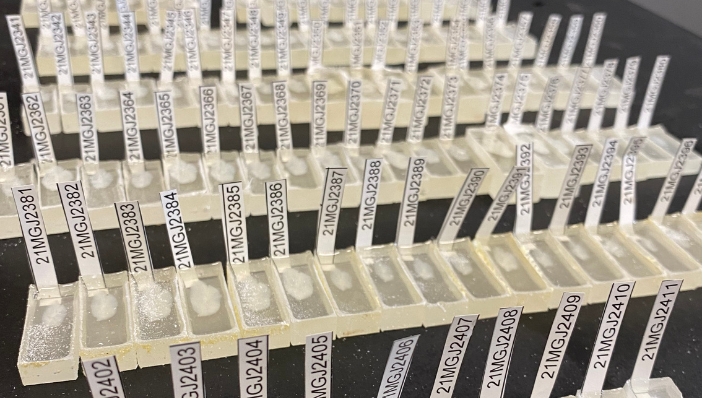
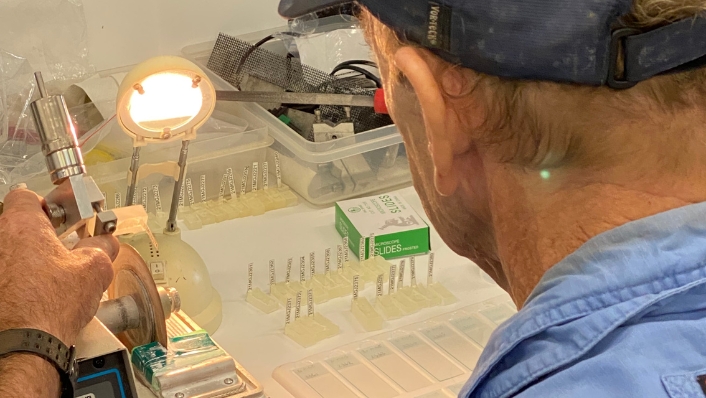
- Micro chemistry - the otolith, or fish ear bones, were analysed. Much like trees, otoliths acquire rings throughout their life that indicate the chemical composition of the water in which they dwell.
- Parasitic analysis - the unenviable task of analysing the parasites of the fish's gut.
- Genetics - genetic analysis of the fish.
Each of these techniques tells the researchers something subtly different about the scale of movement and the timeframe in which it occurred:
- genetics indicate movement across generations (over longer timeframes)
- otolith micro-chemistry determines natal origins along with migration patterns
- parasites provide insights into movement and connectivity within the lifespan of the fish being analysed (within a generation).
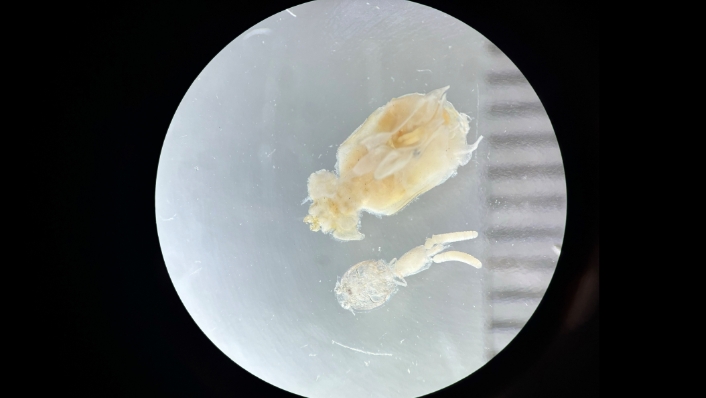
Dr Johnson said the AIMS scientists were analysing this data to determine if there are different mangrove jack stocks in Australia, and if so, how many and where they are found. This research is expected to be finalised by late 2026.
Fisheries Research and Development Corporation (FRDC) funded this research. Partners included Northern Territory Department of Agriculture and Fisheries, Western Australia's Department of Primary Industries and Regional Development, Queensland's Department of Primary Industries, the Amateur Fishermen's Association of the Northern Territory, Recfishwest, and the McArthur River Mine.


