Institute of Science Tokyo (Science Tokyo) launched the Visionary Initiatives(VIs) - a cross-disciplinary, integrated research framework -in the 2025 academic year to co-create new value with society while advancing science and human wellbeing. Currently, six VIs are tackling the challenge of shaping the future, with each developing distinct shared visions for societal transformation based on three pillars: "Better Life," "Better Society," and "Better Planet."
One person taking on this challenge is Professor Yasuhito Sekine who is the director of the Earth-Life Science Institute (ELSI) and also theprogram director (PD) of the VI: Space Innovation - Developing space life zones. Sekine discusses the expansion of natural science research through astrobiology; the goals of space exploration and development; the interdisciplinary challenges of sustaining human life in space; and the significance of opening a new frontier for humankind.
From science fiction to genuine science
Could you define astrobiology?
Sekine Conventional biology studies life on Earth, while astrobiology extends this to the universe. It is an interdisciplinary field that investigates life in space, including the universality of life's origins and evolution, and whether extraterrestrial life exists.
Extraterrestrial life was once confined to science fiction and not seen as a serious scientific topic. That changed after 2000. A key turning point came earlier in 1996 when a NASA scientist announced evidence of life in a meteorite from Mars. Mars had long been known to have once been an "aqua planet," likely with vast amounts of water. Although the life claim remains unverified, the discovery of carbon-based organic matter in the meteorite was striking. Few doubted that a new era had begun - one in which extraterrestrial life could be discussed on the basis of concrete physical evidence.
I am currently conducting research on Europa, one of Jupiter's moons. In collaboration with such space agencies as NASA and the European Space Agency (ESA), my work focuses on exploring the possibility of extraterrestrial life while analyzing the chemical composition of Europa's subsurface ocean.
Deploying Science Tokyo's weather sensors and artificial photosynthesis devices to Mars
Could you explain the relationship between your research and the VI? And what is the significance of developing space life zones for humans?
Sekine Our VI, Space Innovation aims to greatly expand the scope of astrobiology. Advancing the field requires integrating Earth science, biology, chemistry, physics, and other natural sciences. As the era of developing human space life zones arrives, fields related to society - such as sociology, economics, agricultural science, and sports science - will also be incorporated into astrobiology. Science itself will take a leap forward. Our VI will identify the elements needed to build space life zones, and then conduct interdisciplinary research to tackle today's challenges on the path to those goals.
I have two initial goals. First, we want to take part in a Mars mission within five to ten years and deploy Science Tokyo-developed instruments, such as weather sensors and artificial photosynthesis devices that can operate in the Martian environment. The objective is to conduct demonstrations of technologies crucial for future manned missions to Mars. These include enabling Martian weather forecasting and generating oxygen, as well as producing methane for fuel. Second, we want to advance research in near-Earth space, including the Moon and the orbiting International Space Station. We aim to develop systems that monitor health with biosensors and deliver remote medical care to sustain human life in space. As PD, I see my role as an orchestral conductor-integrating ideas across disciplines to drive innovation and guide backcasting strategies, which focus on envisioning desirable futures and then working backward to achieve them.
The ultimate significance for mankind in developing space life zones is to create a society from scratch on a new frontier. Today, Earth is approaching its limits in terms of energy, resources, and other vital indicators of human activity. As the term "living sustainably" has spread, a sense of stagnation has emerged, suggesting society is seeking new guideposts for living. Meanwhile, as human activity expands, the Moon and Mars are becoming candidate frontiers.
In the 17th and 18th centuries, America was a frontier where a new state was built from scratch around freedom and human rights - new guiding principles for life at the time. That way of life reverberated across Europe, fueling civic revolutions and spreading these new ideas and concepts. What ways of life and concepts will we pursue when we build societies from scratch on the Moon and Mars? Whatever they are, they will profoundly affect humanity on Earth, reshaping our values and guideposts for life. Just as freedom and human rights underpinned the 20th and 21st centuries, such new concepts will form the foundation for human life in the 22nd and 23rd centuries.
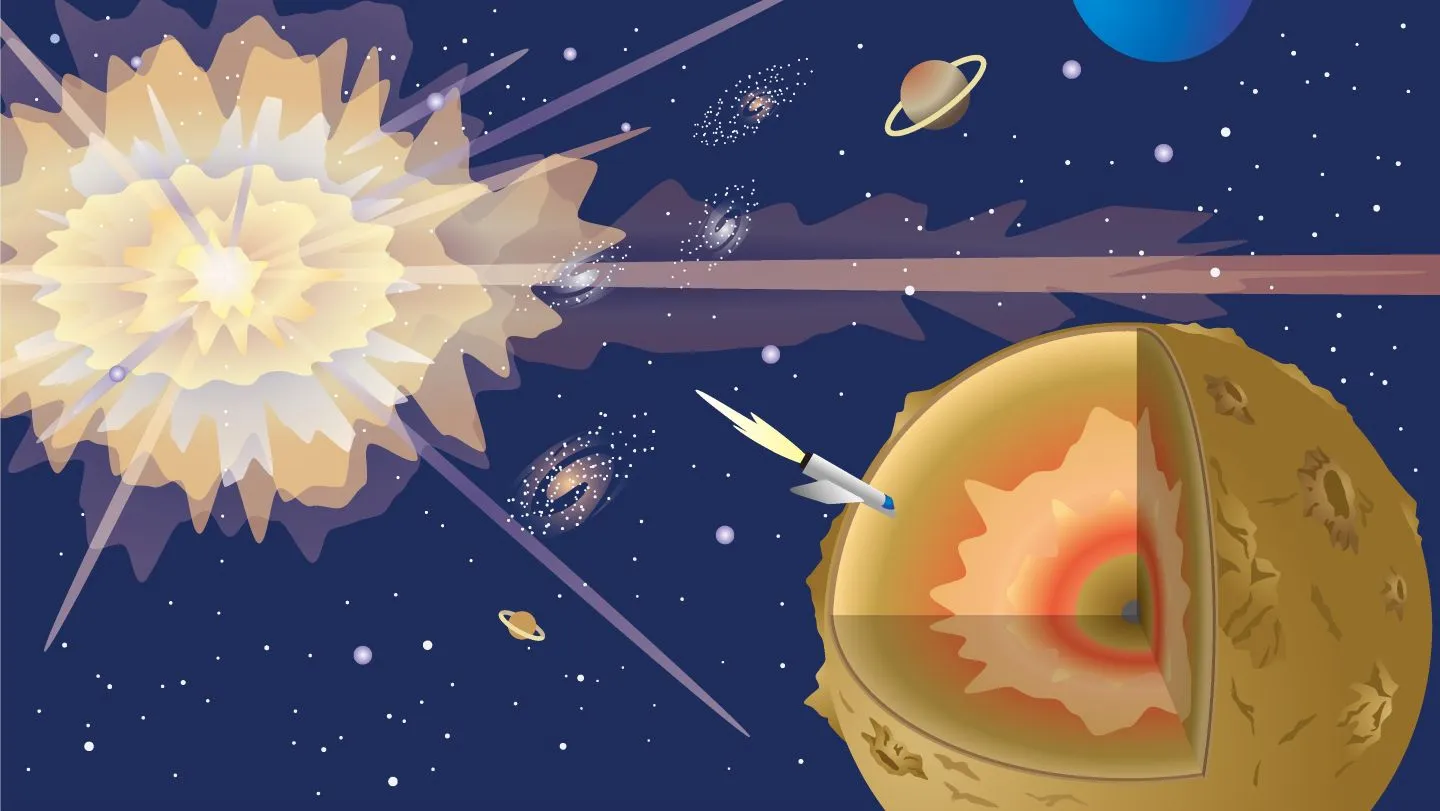
Space Innovation: Developing Space Life Zones
Space Innovation aims to explore space and life to expand society beyond Earth and shape the next stage of evolution
・Revealing the origin and evolution of the universe
・Understanding the diversity and universality of life in space
・Empirically approaching the question: What is life?
・Probing the fundamental materials that make up the universe and exploring the reason for human's existence
・Discovering planetary bodies that harbor life or civilization
・Sharing perspectives and awareness that take a bird's-eye view of Earth and humanity
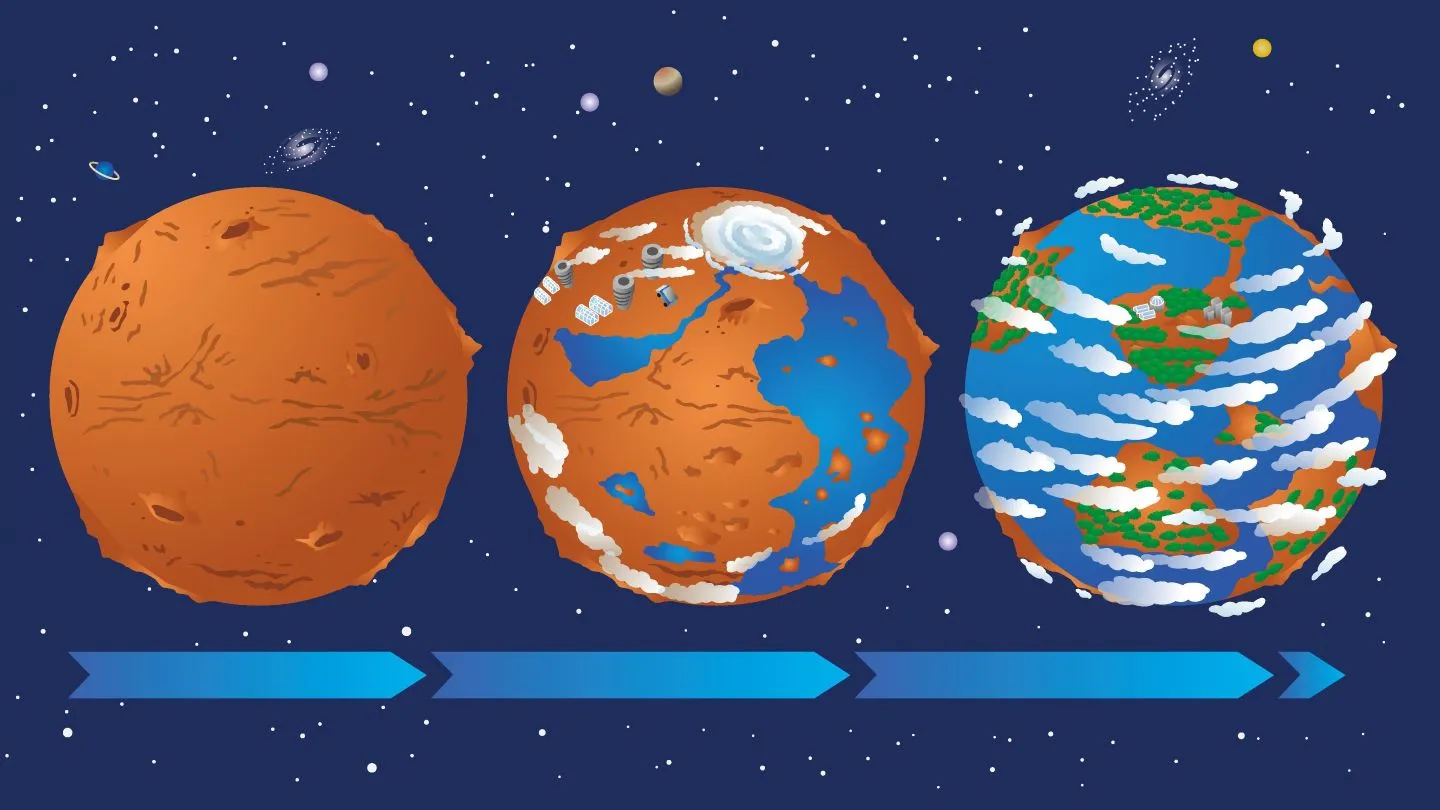
・Expanding habitable and economic zones on the Moon and Mars
・Exploring usable space resources
・Establishing available energy sources and communication systems
・Balancing terraforming with new ethical frameworks
・Transforming ways of living and social values
・Building new societies rooted in multiculturalism
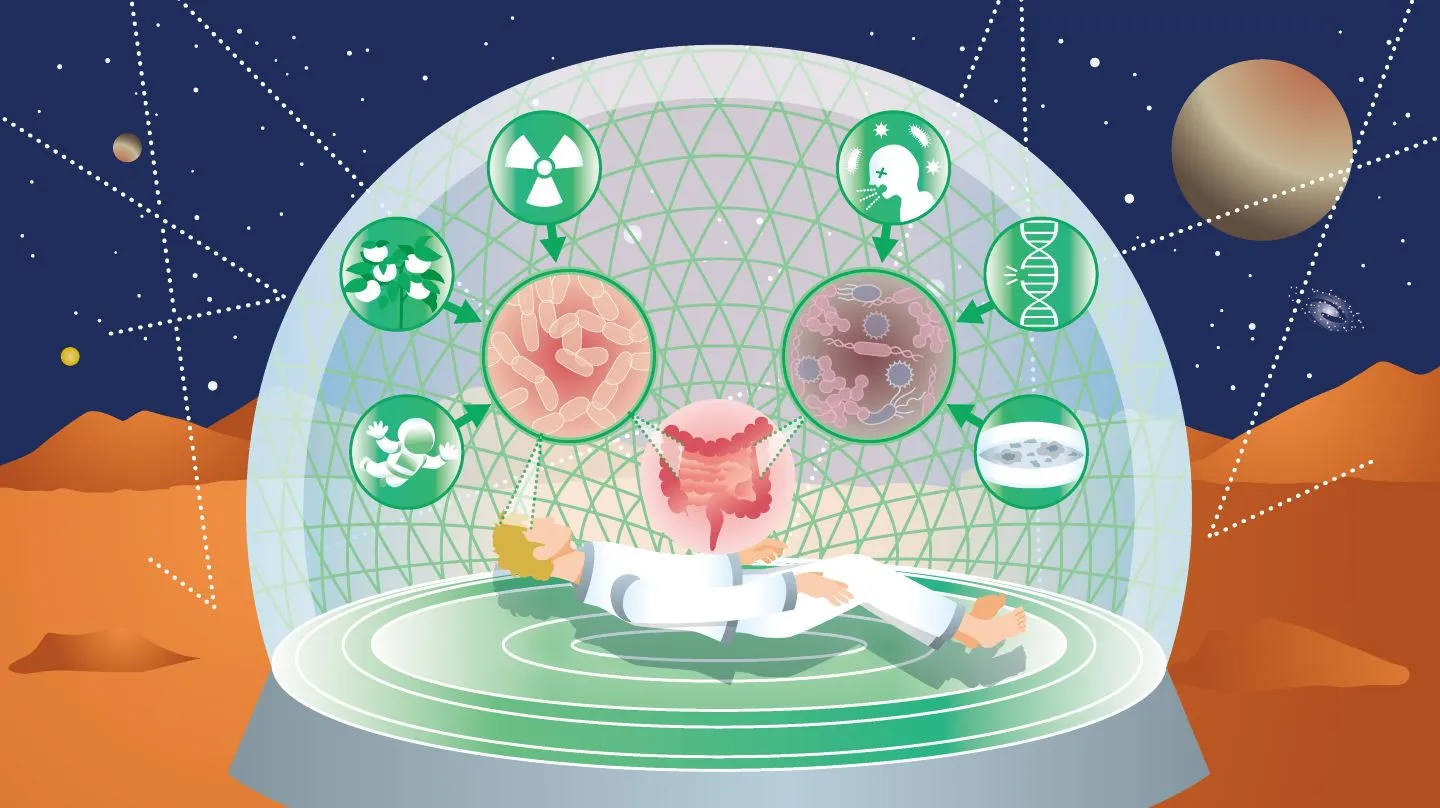
・Developing predictive healthcare systems with continuous health monitoring
・Maintaining well-being and designing new sports for low-gravity, enclosed environments
・Translating space architecture and living design back to Earth
・Recycling limited resources and nutrients for sustainable living
・Projecting human capability enhancement and biological evolution in space
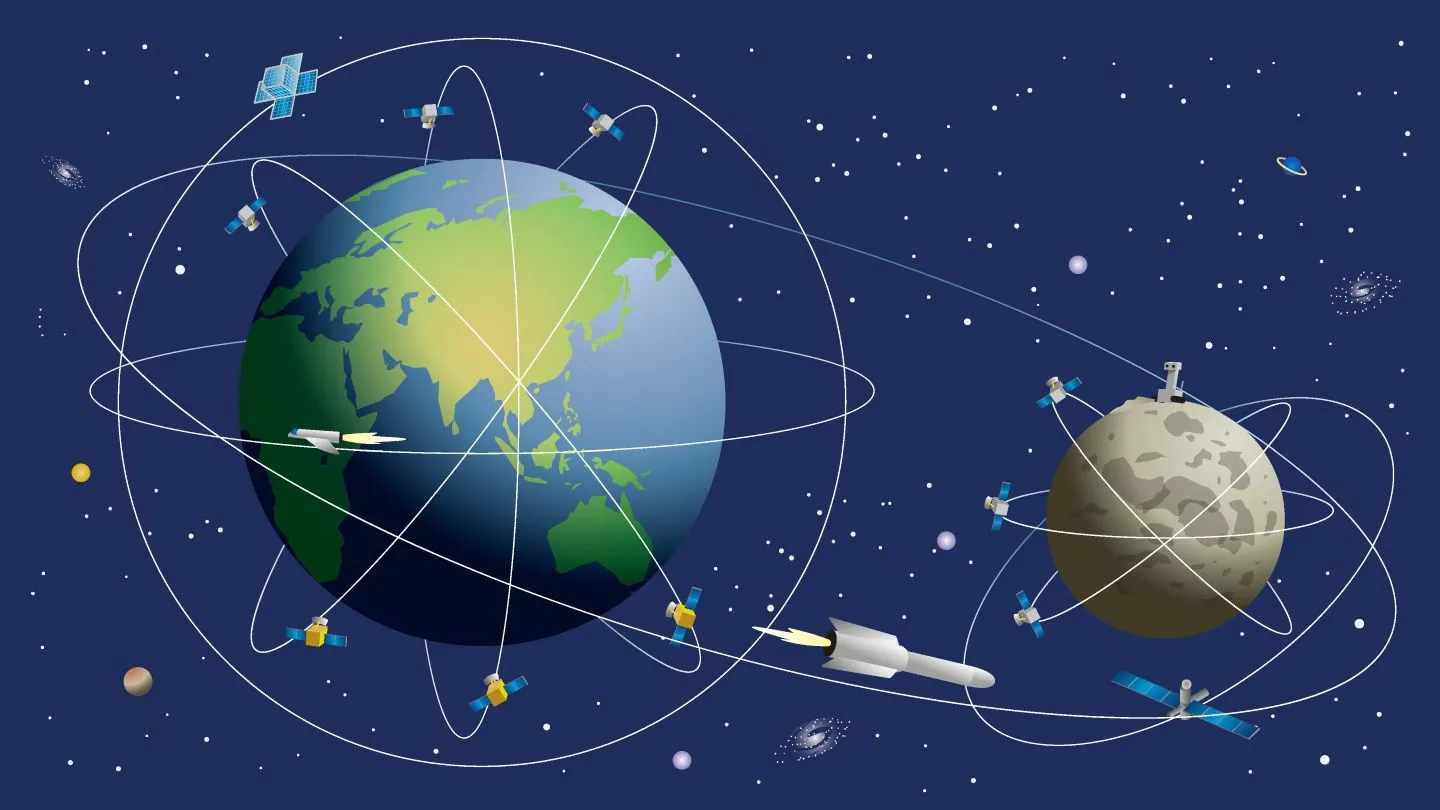
・Developing high-speed transport systems to traverse space
・Advancing regenerative medicine and drug discovery in low-gravity environments
・Relocating overburdened infrastructure to LEO and the Moon
・Optimizing infrastructure across Earth, LEO, and the Moon as one living zone while redesigning terrestrial systems
All-out efforts needed for space development
With which fields do you need to collaborate for space development? Could you share an impressive example of cross-disciplinary collaboration?
Sekine I believe every field essential to human life is a target for collaboration. In particular, medicine and healthcare are indispensable if humans are to live in space. Compact device development - an area where Japanese universities and companies excel - is also crucial in space development. Payload volume is limited and launch costs are high, so missions demand compact, high performance, highly reliable devices. We also need insights from the social sciences, as a deep understanding of past frontier development is essential. For example, studying how people of British, French, Italian and other origins in colonial America came to see themselves as Americans, and how they built and developed society, law, and the economy, can inform how we create societies on the next frontiers - the Moon and Mars.
One memorable episode was my encounter with Professor Akihide Hibara, a specialist in wet chemistry, who focuses on methods for initiating and analyzing chemical reactions in fluids. Wet chemistry is essential for analyzing blood, assessing river water quality, and exploring life and metals in the deep sea - indeed, for any fluid-based analysis. It was long considered impractical for use in space, as it required a full laboratory to manage pretreatment, chemical reactions, separations, and other necessary procedures. However, Professor Hibara developed a technology that enables all these laboratory procedures to be performed on a small chip. When I learned about this more than ten years ago, I was thrilled by its potential for in-space blood tests and life detection, significantly opening up unexplored areas. Later, Professor Hibara and I moved to the former Tokyo Institute of Technology around the same time. Hibara is now a member of our VI and conducts research with me. It truly felt like destiny.
Transitioning to a new ecosystem that bridges research and society
What do you value most as a PD? And could you share a message to society?
Sekine I value two things. First, I want to support research that no one has previously imagined or attempted. I aim to build a system that backs innovative, fundamental research, setting aside the question of whether it has immediate societal use. Second, I want to create an ecosystem that connects researchers with one another and with the industry. The university hosts specialists across a wide range of fields with diverse expertise. Like an orchestra conductor, I aim to support work from basic to applied science while advancing R&D with the industry.
Space development can't be handled by a single university. Space exploration and research on the origin of life require diverse knowledge and expertise - engineering, medicine, and the social sciences, in addition to physics, chemistry, and biology - so international collaboration is essential. As we advance these efforts, we will take on the challenge of opening a new frontier over the next 25 years.
Interview date: October 21, 2025 (at Agora, Earth-Life Science Institute, Ookayama campus)
Profile
Yasuhito Sekine
Professor, the Institute of Future Science
Director, the Earth-Life Science Institute
Institute of Science Tokyo