
When it comes to cancer screening, information alone is not always enough. For many people, trust plays a big role in whether they take that next step. Trust in the healthcare system, in the program itself, and in the person sharing the information.
That is why Cancer Council NSW is focusing on one of the most powerful tools in public health - conversation.
Through our Screening Activations program, we are reaching people in their own communities, listening to their concerns, and sharing information in a way that feels personal and respectful. And we are seeing real results.
Why screening matters
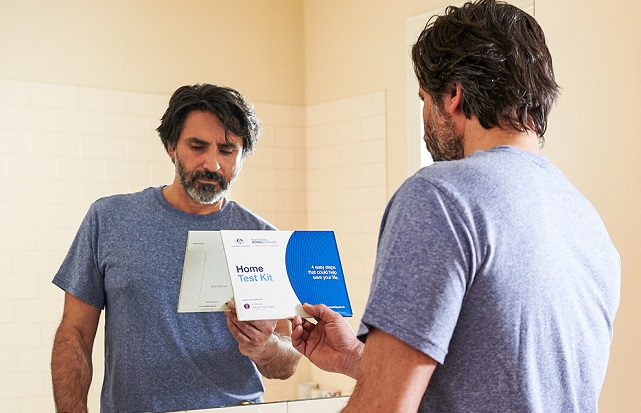
Cancer Council NSW supports four national screening programs by delivering community-facing information and support to improve screening program awareness, understanding and participation. These programs are designed to find signs of cancer early, often before symptoms appear. Early detection can lead to earlier treatment and better outcomes.
But not everyone is taking part. Some groups in the community have lower screening rates than others. This includes Aboriginal and Torres Strait Islander people, culturally and linguistically diverse communities, and people living in regional and remote areas.
There are many reasons people might not participate in screening. Some do not trust the system. Others may not understand how the program works, or may feel unsure about what is involved. Language, fear, past experiences and cultural beliefs can all play a part.
This is where a simple conversation can help.
One-to-one chats make a difference
Over the past year, Cancer Council NSW ran 116 screening activation events, reaching more than 14,000 people across the state. These events included one-to-one chats, small group discussions and the sharing of brochures and other helpful materials.
Our evaluation found that one-to-one conversations were the most effective way to promote awareness and build trust in screening. These conversations give people a chance to ask questions, express concerns and receive answers in a safe, respectful environment.
Community members are more likely to respond when the message comes from someone they can relate to. That is why we work closely with partners and local groups to ensure our team reflects the communities we are trying to reach.
Large events have a role to play
While large events were found to be less effective for encouraging screening participation, they are still an important part of the picture. Big community events help raise awareness and build relationships with stakeholders and service providers.
When carefully planned, large events can be used to connect people with screening providers on the spot, offer engaging activities and provide space for trusted organisations to work together.
We are continuing to refine our approach so that these events are more targeted, interactive and inclusive.
Reaching under-screened communities
Our program places a strong focus on groups who are less likely to participate in screening. This includes Aboriginal and Torres Strait Islander communities and culturally and linguistically diverse communities.
Over the past 12 months:
- 20 activation events focused on Aboriginal and Torres Strait Islander communities
- 24 events focused on culturally and linguistically diverse communities
We are also exploring ways to include cultural safety training for staff and develop co-designed resources that reflect the values, needs and preferences of these communities.
Looking forward
Based on what we have learned, our next steps include:
- Continuing to invest in one-to-one and small group education
- Building stronger partnerships with local organisations and screening providers
- Taking a more strategic and coordinated approach to community education
- Improving cultural relevance and accessibility of our programs and materials
Every conversation counts
Screening can save lives. But it only works if people feel safe, informed and supported to take part. That is why building trust is so important.
By focusing on person-to-person conversations, we are helping people feel more confident about screening and more connected to their health.
One conversation at a time, we are making a difference.
Because it's all of us against cancer.


