
Experiencing a natural disaster in childhood can shape how business leaders approach workplace safety decades later, according to a new Concordia-led study.
The study found that CEOs who have lived through events like major earthquakes, floods or hurricanes early in life run firms that prioritize safer workplaces. According to mandatory disclosure statistics supplied to the U.S. Occupational Safety and Health Administration (OSHA), their companies report fewer work-related injuries and illnesses than similar ones run by executives who have not lived through those types of events.
The results are even starker in firms with powerful CEOs and in industries with weaker union influence and higher earning pressure.
"We keep hearing in the media and commentaries that CEOs tend to be very egotistical and do not really care about their employees," says the paper's co-author Michel Magnan, Distinguished University Research Professor in the Department of Accountancy at the John Molson School of Business.
"And perhaps there is some truth to that in some cases. But our research shows that many CEOs consider labour safety a very serious matter."
Workplace safety is a major issue for employers and workers alike, with important social and economic implications: OSHA and the U.S. National Safety Council figures show that there were more than 2.6 million workplace injuries in 2023, costing some $176 billion and 103 million workdays.
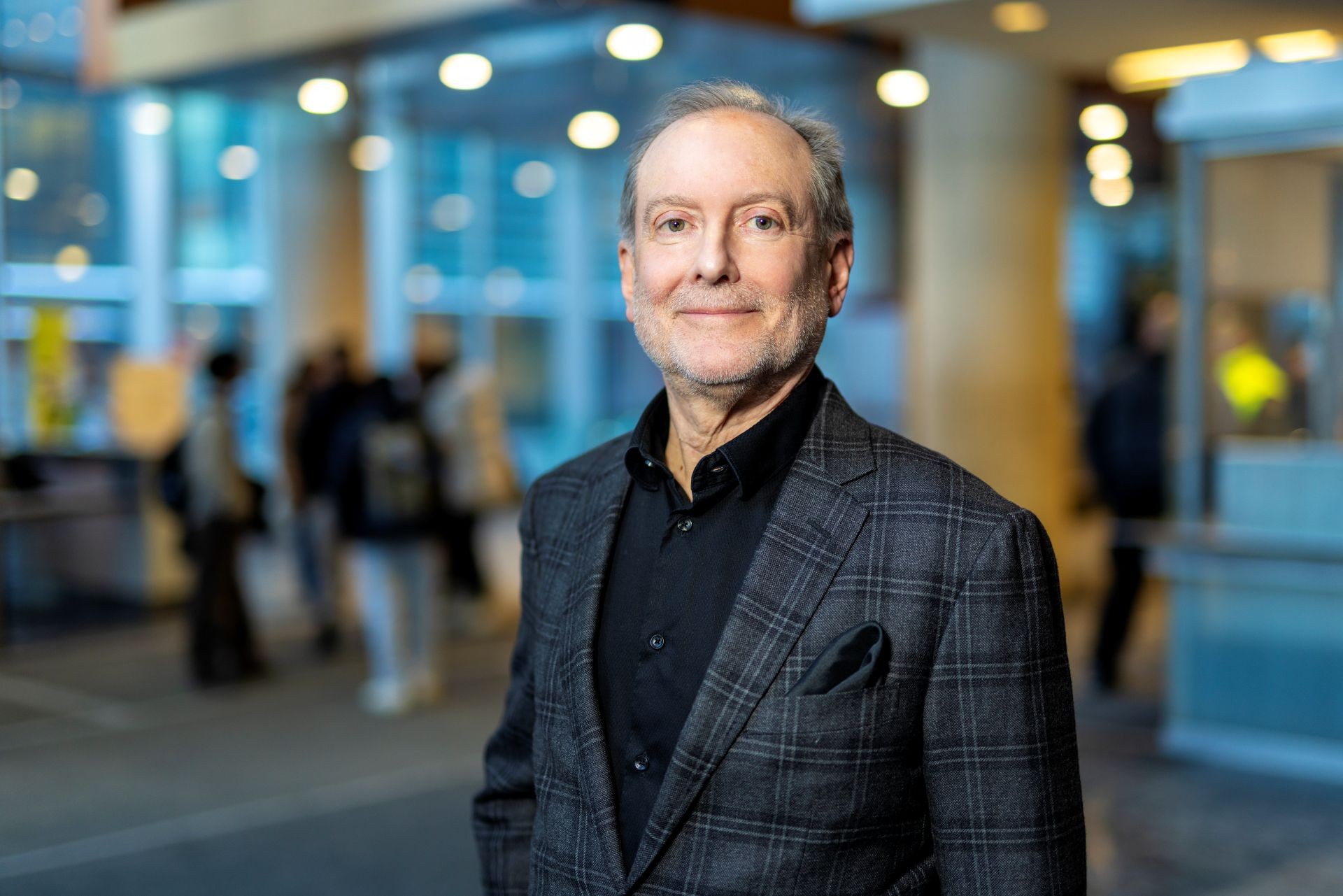 Michel Magnan: "We keep hearing that CEOs do not really care about their employees, but our research shows that many CEOs consider labour safety a very serious matter"
Mapping a path to safer workplaces
The study required the researchers to sift through a tremendous amount of data and engage in data mapping as they tracked the records of over 500 CEOs.
First, they identified large U.S. companies listed on the S&P 1500 index between 2002 and 2011. They used an executive tracking database to identify CEOs, then collected publicly available biographical details about each one, usually from corporate web sites, news articles, public records and online databases. This data included birth year, birthplace and the counties where the CEOs lived during their formative years (between ages five and 15).
The researchers then merged this information with a database of U.S. county-level natural disasters that occurred when the CEOS were at formative ages, allowing the team to identify who had lived through such events.
Data from OSHA was used to examine company injury data, which helped identify safety outcomes, as well as companies run by CEOs with and without early disaster exposure.
After analyzing the data, the researchers concluded that firms run by CEOs who experienced natural disasters during their formative years exhibited significantly fewer work-related injuries - by almost 24 per cent.
The findings were robust, maintaining consistency even after controlling for firm size, industry, financial pressure and union strength, plus CEO workplace authority, gender and age.
"We can read these results as saying that less powerful CEOs will back down from pressure from their boards when they are confronted with arguments that better workplace safety entails higher costs and lower profits," Magnan says.
"But if you are a powerful CEO and you strongly believe that workplace safety is important, and that it is a value-creator in the long term, you'll charge ahead anyway. You'll have the leeway to make things happen."
Magnan notes that disaster exposure early in life does not necessarily make someone a better CEO. But the research does reveal how events in an executive's past may influence their behaviour. This can be relevant to boards, investors and policymakers as they address worker safety, especially in high-risk industries.
The study was published in the journal European Financial Management. Co-authors include Yetaotao Qiu (PhD 2020), at the University of Manitoba and Yu Wang at Dongbei University of Finance and Economics.
Read the cited paper: "Shaped by the Storm: How Do CEOs' Early-Life Natural Disaster Experiences Influence Workplace Safety?"


