
The Great Barrier Reef Foundation and Chubb have announced a new partnership to trial restoration techniques across some of the Great Barrier Reef's most vital but overlooked ecosystems, in a pioneering, multi-habitat restoration project at Shoal Bay, Facing Island.
Backed by a multi-million-dollar investment from the Chubb Charitable Foundation, the partnership will fund a new project that is designed to test and refine interconnected coastal habitat restoration methods that nurture marine life, store blue carbon — the carbon naturally captured and stored by coastal wetlands like mangroves, saltmarshes and seagrass meadows — and strengthen the Reef's resilience against climate change.
Located within Gladstone Harbour, the Shoal Bay site will be one of the first locations on the Reef where seagrass and oyster reef restoration will be trialled side by side, generating evidence and learnings that will inform future large-scale coastal ecosystem repair. The project will combine cutting-edge science from leading Australian research institutions Central Queensland University (CQU), CSIRO and Griffith University, in partnership with OzFish Unlimited, Traditional Owners and local communities.
Anna Marsden, Managing Director, Great Barrier Reef Foundation, said:
"Beneath the Reef's surface lies one of its quietest powerhouses — vast seagrass meadows and oyster reefs that filter water, support marine life and help keep the Reef healthy. They're the hidden engine room of the Reef, quietly doing the work that keeps this ecosystem alive.
Seagrass meadows can capture carbon up to 35x faster than tropical rainforests. And with more than 3.5 million hectares — around 10% of the world's seagrass — the Great Barrier Reef is home to one of Earth's most important natural defences against climate change. Alongside oyster reefs, these coastal ecosystems improve water quality, create habitat for wildlife and help build a healthier, more resilient Reef.
But these ecosystems are under pressure from cyclones, floods, storms and coastal development. Their future depends on what we do now.
This partnership with Chubb brings the science, technology and commitment needed to trial new restoration approaches and understand what has the potential to scale. It's about rebuilding the places that keep the Reef alive and strengthening the communities and wildlife that depend on them."
John Keogh, President & Chief Operating Officer, Chubb Group, said:
"At Chubb, protecting our planet's natural assets is fundamental to our purpose. By partnering with the Great Barrier Reef Foundation, we're helping to safeguard an irreplaceable ecosystem and the communities whose futures are tied to its health."
Restoring what matters
The project will:
- Restore seagrass meadows and oyster reefs that improve water quality, provide critical habitat for marine life and strengthen coastal ecosystems.
- Work with local and Indigenous communities to deliver restoration trials.
- Advance promising, science-based restoration methods and generate learnings that can guide future efforts.
- Explore innovative financing options to sustain long-term impact.
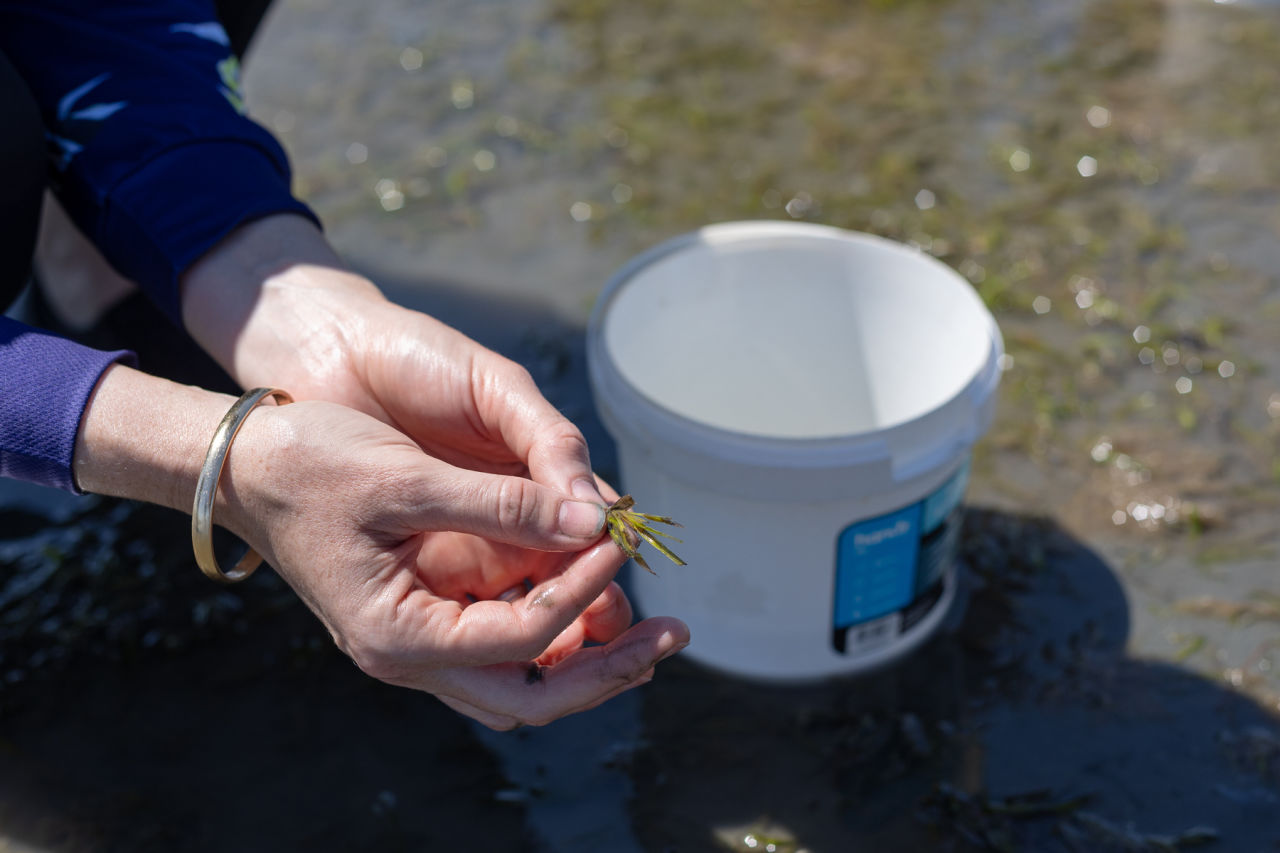
Through the partnership, Chubb employees will also have the opportunity to participate directly — joining scientists to collect seagrass flowers, nurture plants in the SeaGrow nursery, and witness restoration in action.


