
Invasive forest pests can spread fast, often unnoticed. If not detected early, their damage can reach far beyond forests and plantations, affecting livelihoods and economies across borders. As trade increases and climates change, pests are spreading into new areas faster than ever, making early detection and regional cooperation increasingly critical.
Building on a long history of forestry research collaboration, a regional project supported by ACIAR has brought together partners from Indonesia, Vietnam and Australia to strengthen regional forest biosecurity systems through robust pest detection and community involvement.
Collaborating beyond borders
Recognising that no single country can manage the cross-border risks alone, the project took a connected approach, involving Indonesia and Vietnam, where fast‑growing trees originating from Australian germplasm (acacias and eucalyptus) are widely planted for the pulp and paper industry.
'Pests and diseases can do a lot of damage, particularly if you grow the same species in very large areas,' said Professor Caroline Mohammed of the Tasmanian Institute of Agriculture, University of Tasmania.
'This has knock‑on effects right down the supply chain, influencing both the industry and the livelihoods of people who depend on it,' she added.
'We aim to protect forests and plantations by understanding how to detect pests and diseases, how to manage them and predict future issues we might encounter.'
Detecting early, reporting routinely
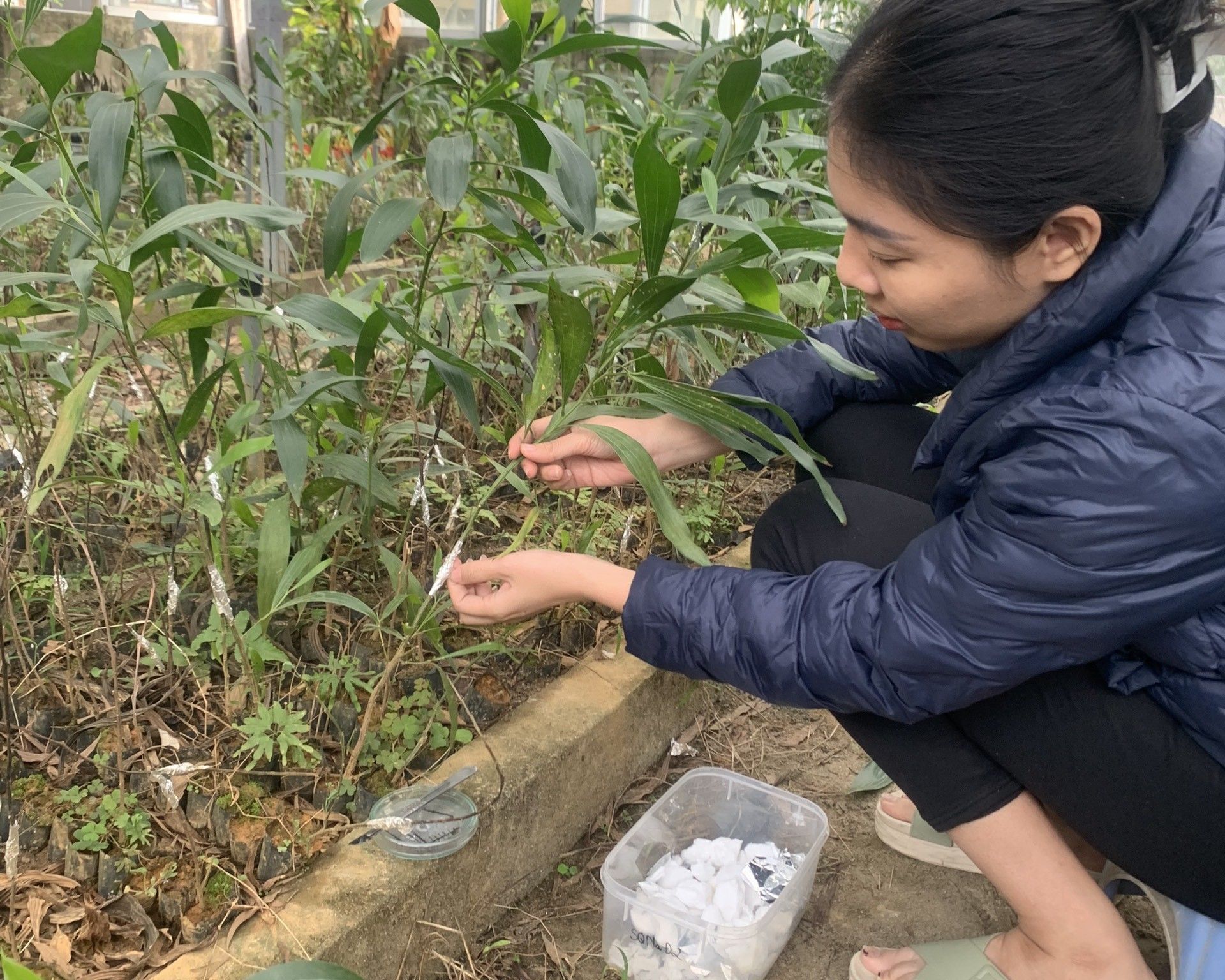
A key focus of the project was testing low-cost drones to detect early signs of pests and disease damage. These trials took place in commercial and community plantations in both Indonesia and Vietnam.
To support ongoing surveillance, the project also trained researchers, students, industry representatives and government staff to use drones, collect data and report pest and disease symptoms.
Growing disease-free trees
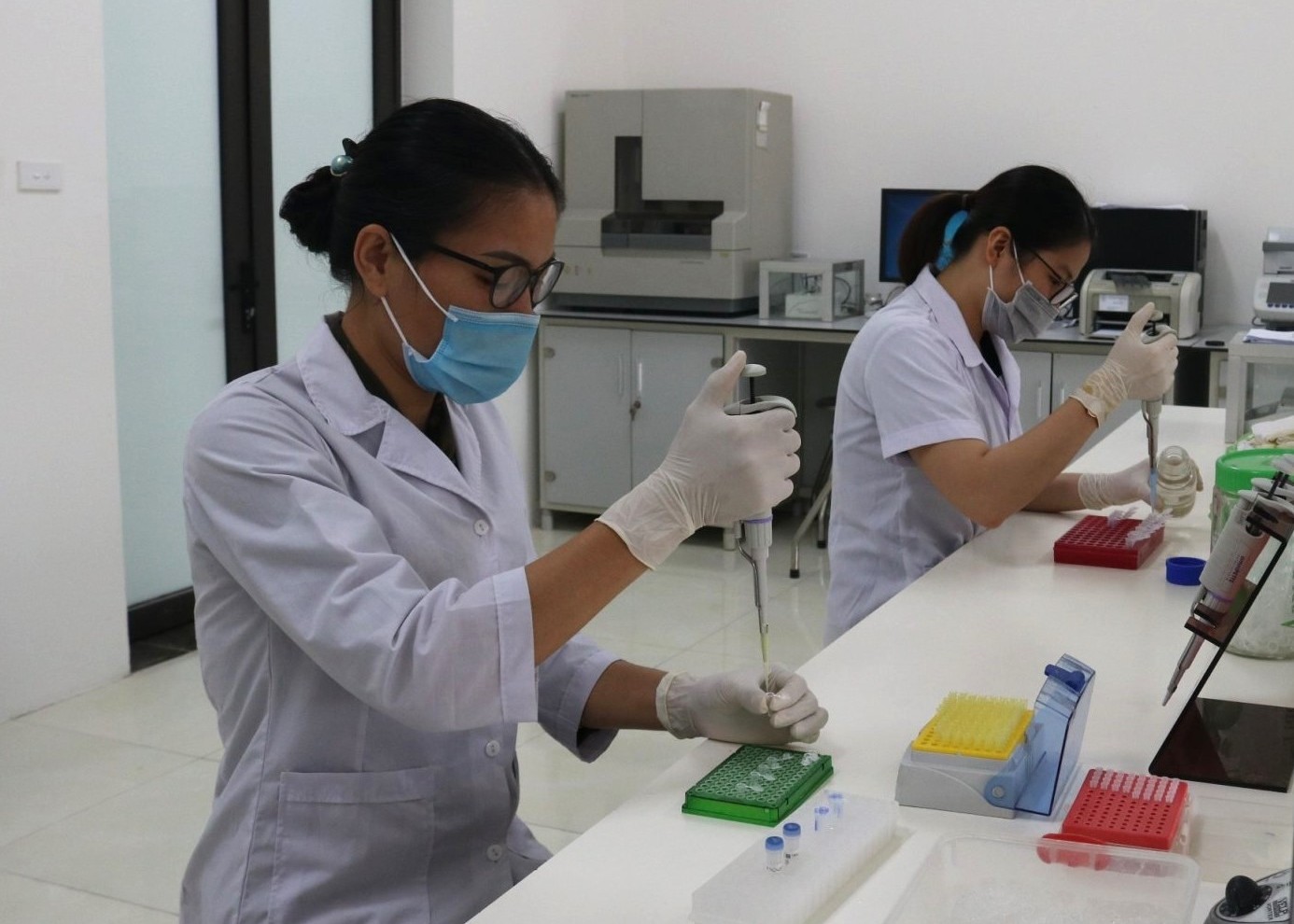
As the project draws on decades of collaborative research on acacia and eucalyptus trees, scientists from both countries have contributed strong technical expertise in plantation breeding and disease diagnostics.
'One important goal of this project was protecting productivity of commercial plantations already affected by pest and disease,' said Dr Anto Rimbawanto, Principal Research Scientist at the Indonesian National Research and Innovation Agency (BRIN).
We tested acacia and eucalyptus trees and identified more tolerant varieties. These can be planted in disease prone areas, leading to higher productivity.
With community playing a central role in the project's approach, this scientific advance has created opportunities for industry and people living alongside plantations.
'Communities now can access disease-tolerant planting materials to grow their own trees,' added Dr Rimbawanto.
In Vietnam, home to some of the largest timber plantations in Southeast Asia, including around 2.6 million hectares of acacia and eucalyptus trees, the project builds on Vietnam's established expertise in breeding and diagnostics.
'We are advancing breeding programs for more tolerant, fast-growing acacia and eucalyptus, and developing efficient screening methods for disease-resistance genotypes. In Vietnam, we are establishing practical protocols to detect the most damaging diseases and share these with research and industry partners,' said Dr Nguyen Duc Kien from Vietnamese Academy of Forest Science.
Predicting future risks
Using pest records alongside climate data, the teams developed maps to predict where pests and diseases are most likely to spread now and in the future as conditions change. These publicly available tools help researchers, industry and governments plan where to focus surveillance and prevention efforts.
Placing communities at the centre of biosecurity
Beyond scientific tools, the project emphasised inclusive, participatory processes that place community and smallholder growers at the centre of protecting forest health. They were actively involved in workshops and field activities, particularly in Indonesia, ensuring that biosecurity system works on the ground.
In Yogyakarta Province in Indonesia, the project established the Wonorejo Research Garden, a research and breeding site, maintained with the help of local villagers. Through the garden, they have additional income, practical knowledge about pests and diseases, and access to improved tree varieties. Schools and universities also visit the garden, giving students hands‑on research experiences.

In nearby areas, the project worked with community growers to use smartphones to identify pests early and report problems.
'Before, we ignored pests and diseases,' said Mr Sardi, leader of the Sedyo Lestari Community Forestry Farmer Group. 'Now we actively detect them to protect our trees.'
For the Sedyo Lestari community, pest detection delivers dual benefits. Early identification helps protect trees from damage, while some of the pests found-such as teak caterpillars-can be consumed or sold to neighbouring households, generating additional income.
Meanwhile, for the Menur Woman Farmer Group, participatory workshops, focus group discussions and interviews empowered members to take on a bigger role in forestry-an area traditionally dominated by men.
'By meeting new people and having the chance to speak up, we have become more confident and brave,' said the group's leader, Mrs Parjiyem. 'We can now decide what to plant and set prices ourselves. We have learned that women do more than support others, and our voices matter.'
Mr Sardi and Mrs Parjiyem are confident that the knowledge will last beyond the life of the project.
'What we have learned will continue to benefit our communities,' they said, 'as we will keep sharing knowledge with new members.'

Protecting Australia's shores
By collaborating with neighbouring countries to detect and manage threats early, Australia reduces the risk of forest pests reaching its own shores.
'ACIAR is proud to work with partners, stakeholders and local communities across Indonesia and Vietnam to apply rigorous science to this borderless challenge,' said ACIAR Research Program Manager for Forestry, Dr Nick Hogarth.
'Maintaining and increasing value from forest resources, while improving livelihoods for communities from forest products and services, are some of ACIAR's priorities.
'By investing in regional science and preventive measures against emerging biosecurity threats, Australia strengthens its own pre-border preparedness while delivering long term benefits across the region.'
Passing knowledge across borders
Built on strong science and practical tools, this multinational collaboration is helping protect forests, support livelihoods and reduce shared risks.
But the project's impact goes well beyond technical outcomes, showing that collaboration, too, can extend across borders. Although this project is coming to an end, the results, lessons learned, data and tools are being systematically channelled into neighbouring countries such as Laos and Cambodia through another key ACIAR project 'Building an effective forest health and biosecurity network in Southeast Asia.'
'The best thing about this project is passing on the knowledge and experience through the networks we helped create, the young people we trained and the young women we mentored,' said Professor Mohammed.


