
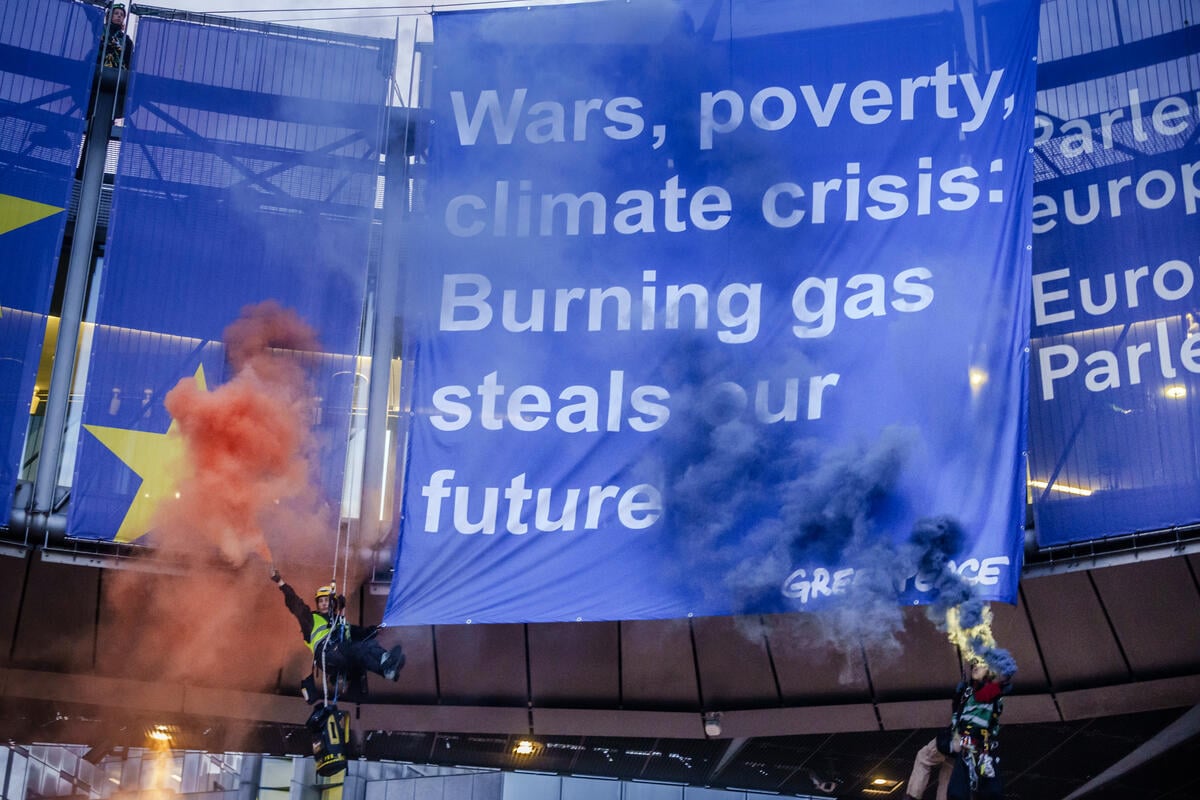
- With exceptionally high land and ocean surface temperatures triggering wild climate extremes, governments must accelerate efforts to solve the escalating climate crisis at COP31 Antalya.
- Oil and gas companies and nature destroyers continued to profit at the public's expense as communities increasingly face so-called 'natural disasters'.
- Geopolitical tensions exposed the inherent risk of fossil fuels reliance and led to fossilflation, COP31 Antalya offers renewed hope of a transition away from fossil fuels.
In a year of exceptionally high land and ocean surface temperatures that have triggered wild climate extremes, the annual UN climate talks will again put governments in the spotlight. The COP31 summit will be held in Antalya, Türkiye in November and pose a critical question to governments: how will they accelerate their efforts to solve the escalating climate crisis?
That question holds an unfortunate truth: for too long too many governments have failed to ratchet up action with the urgency needed. As a result, oil and gas companies and nature destroyers have continued to profit at the public's expense as communities increasingly face so-called 'natural disasters' such as wildfires, drought and torrential rainfalls.
It's time the tide turned! In a year in which the US/Israel war on Iran and geopolitical tension further exposed the inherent risk of oil and gas and led to fossilflation, this year's climate COP offers renewed hope of change to accelerate the transition away from fossil fuels - the single biggest driver of the climate crisis - and to end and reverse forest destruction.
For many people though, COPs sound like political speeches and photo ops disconnected from everyday life. But they are also one of the key tools we have to tackle the climate crisis together because they are the place where governments make critical decisions that impact us all. So the COP is a moment where governments must listen to our voices and take action for the planet.
What is the climate COP?
COP stands for Conference of the Parties, the annual UN climate summit held under the United Nations Framework Convention on Climate Change (UNFCCC), the international treaty established in 1992. Currently, 198 parties participate in the UNFCCC and these countries meet at COPs to negotiate how to limit global heating, cut greenhouse gas emissions and support communities already affected by climate impacts.
What have COPs achieved?
While at times progress has been far too slow, finally at COP21 in Paris in 2015, the Paris Agreement was reached. This landmark moment saw governments agree to hold temperature increases to "well below 2°C" and aim for 1.5°C above pre-industrial levels - a planetary boundary beyond which climate risks escalate. It represented a turning point in efforts to curb global warming.
In fact, the Paris Agreement gave the world a new direction and accelerated the clean energy transition. National policies have led to the projected temperature increase falling from just below 4°C at the time of adoption of the agreement to just below 3°C today. There is still a large 1.5°C ambition gap, however, and the UNEP's Emissions Gap Report 2026 has said we could reach global warming of up to 2.8°C this century if current government policies continue.
Another pivotal moment arrived at COP28 in Dubai in 2023, when a COP decision for the first time called for a transition away from fossil fuels and where governments also committed to end forest destruction by 2030. It was an historic moment, but at the time Greenpeace also warned: "Leaders must now commit to a full, fast, fair and funded fossil fuel phase-out".
And now, momentum towards a just transition away from fossil fuels is gathering pace. Last year, at COP30 in Belém, Brazil - when the world celebrated the 10-year anniversary of the Paris Agreement - more than 80 parties backed a proposed roadmap to end fossil fuels.
Unfortunately, that roadmap did not become part of the final COP30 outcome, but it showed that while there were some countries still clinging onto oil and gas, there were many others ready to plan for and implement a post-fossil-fuel future. The next challenge is turning that into action.
COP31: the urgency of action ahead of a looming 1.5°C overshoot
The scale of the problem was set out in an heartbreaking report from the United Nations Environment Programme (UNEP) in September, when it said we expect to head beyond the 1.5°C threshold within the next few years. It called on governments to minimise the extent and length of any overshoot and accelerate climate action to help reduce temperatures in the long-term.
But even in the best case scenario, the UNEP said that our temperature rise is still expected to hit 1.8°C before declining. This is why Greenpeace is demanding that governments urgently respond by rapidly transitioning away from fossil fuels and ending forest destruction to minimise the threat.
What's on the agenda for COP31?
This year's COP is unique because it is being hosted by both Türkiye and Australia, the first UN climate summit where the powers of the COP presidency is being split between two countries. It's an unusual arrangement where Australia will chair the COP's negotiations - a role it must now live up to after pledging to undertake it in meaningful partnership with the Pacific.
This is why the preparatory pre-COP - an important milestone on the road to COP31 - was held in Nadi, Fiji, in October as part of an Australia-Pacific presidency. That's where some of the key Pacific expectations for COP31 were presented: keep 1.5°C within reach, make climate finance accessible to frontline communities and place the ocean at the heart of the climate agenda.
The dual-presidency role has also seen Türkiye present a COP31 Presidency's electrification pledge, aiming to increase electricity's share of global final energy consumption to 35 % by 2035. It was a goal also backed by Australia to make COP31 an 'Electrification COP'.
While Greenpeace has welcomed the presidency's electrification target, it must not distract from the central issue: ending the extraction and expansion of fossil fuels because electrification alone will not solve the climate crisis.
What must governments do on fossil fuels at COP31?
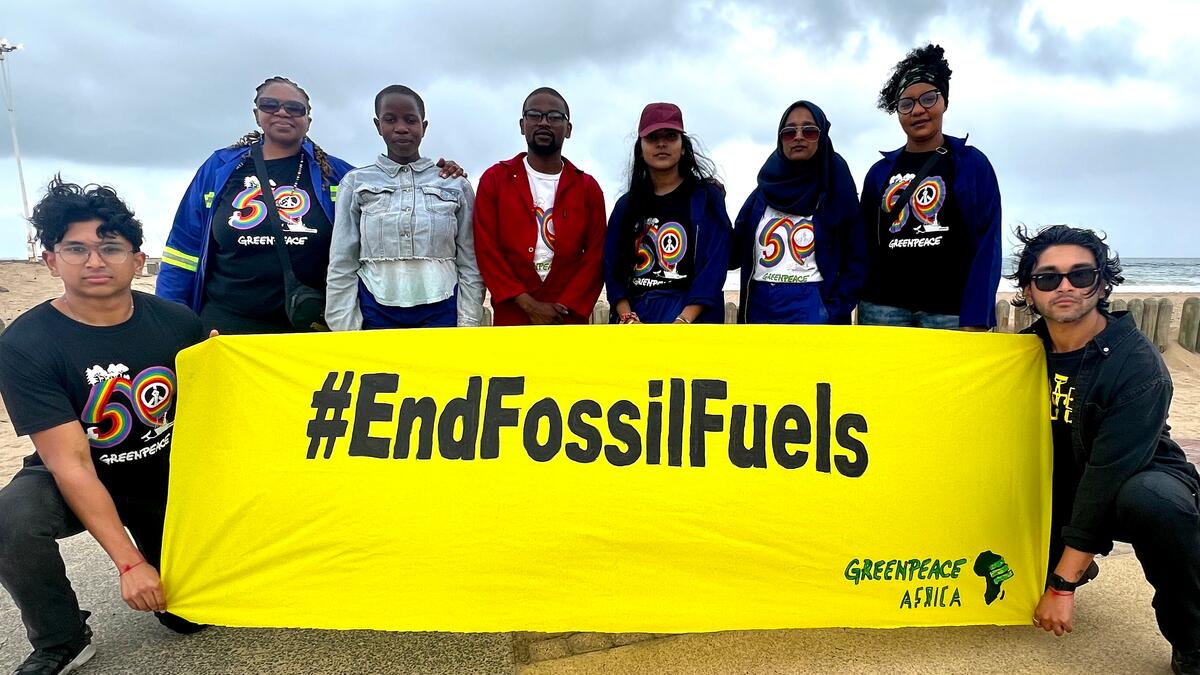
At COP31, governments must translate the COP28 commitment made in the global stocktake to transition away from fossil fuels into actionable national plans. In the wake of the perils fossil fuel dependency has brought this year amid the fall-out from the US/Israel war on Iran, COP31 must signal a firm commitment to a new path - one anchored in renewables-based electrification and an active wind-down of fossil fuels as part of a fast, fair and funded just transition.
Essentially, what governments need to do is to reaffirm and accelerate efforts to the energy goals agreed at COP28: tripling renewable energy and doubling energy efficiency by 2030 by accelerating a just, orderly and equitable transition away from fossil fuels in this critical decade.
Greenpeace is also calling for the '35 by 35' electrification goal to become a credible pathway to displace fossil fuels from electricity generation. Renewable power generation should increase to at least 75% by 2035 as part of a phase down of fossil fuels, backed by finance, technology and capacity building support tailored to Global South countries' sectoral and infrastructure needs.
We are also calling on governments to present national action and roadmaps to transition away from fossil fuels - building on the landmark Santa Marta conference - with developed countries taking the lead. And the establishment of a Just Transition Mechanism to coordinate fragmented global efforts and accelerate international finance and capacity support for just transition.
What must governments do for forests at COP31?
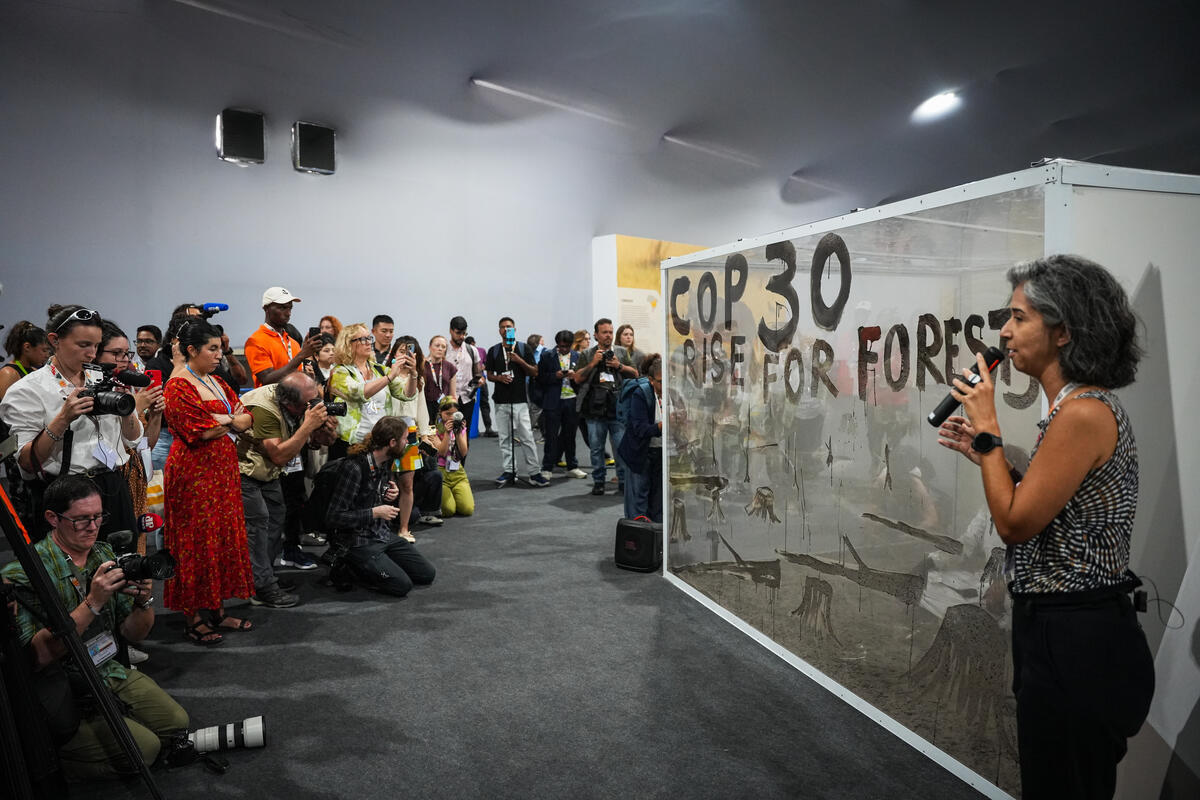
At COP31, Greenpeace is calling on governments to establish an implementation and accountability framework capable of delivering the 2030 forest and biodiversity targets. Forests stand at the crossroads of climate change, biodiversity loss and land degradation. Their fate is being put at risk by the deep fragmentation of the global forest governance landscape.
Greenpeace argues one of the problems is that existing frameworks underestimate the significance of forest degradation by focusing primarily on deforestation, while failing to adequately address impacts from logging, next to extractive activity and global commodity supply chains.
Efforts to achieve the 2030 forest and biodiversity targets previously agreed under separate UN conventions must accelerate, through an inclusive, participatory, multi-stakeholder coordination process that also improves accountability and bridges the gaps between finance and delivery.
After the global community's failure to reach ambitious decisions on forests at COP30 in the Amazon, the Brazil-led 2030 Forest Roadmap initiative offers a critical opportunity to turn commitments and agreed targets into action. The question no longer is whether forests will remain standing, but they will remain functioning.
There can be no 1.5°C solution without work to end and reverse forest destruction and at COP31, states need to establish an implementation and accountability framework that can deliver the 2030 forest and biodiversity targets.
What must governments do for climate finance and to make polluters pay at COP31?
At COP31, it is vital that developed countries announce ambitious multi-year post-2025 commitments that reflect their fair share in delivering the US$300 billion climate finance goal established at COP29. As 2026 has painfully laid bare, devastating climate impacts have significantly intensified, but conversely richer developed countries have cut back, rather than stepped up their public finance to disproportionately impacted Global South and climate vulnerable countries.
It's thus critical that COP31 helps bridge the gap between what developed countries are providing and ensure they fulfil their international climate finance obligations.
At COP29 in Baku, Azerbaijan, a new US$300 billion climate finance goal was established to pay for mitigation, adaptation and loss and damage in disproportionately impacted Global South countries. Although woefully inadequate to meet the needs of climate vulnerable states - it's vital that developed countries announce ambitious multi-year post-2025 commitments that reflect their fair share in delivering the goal by 2035.
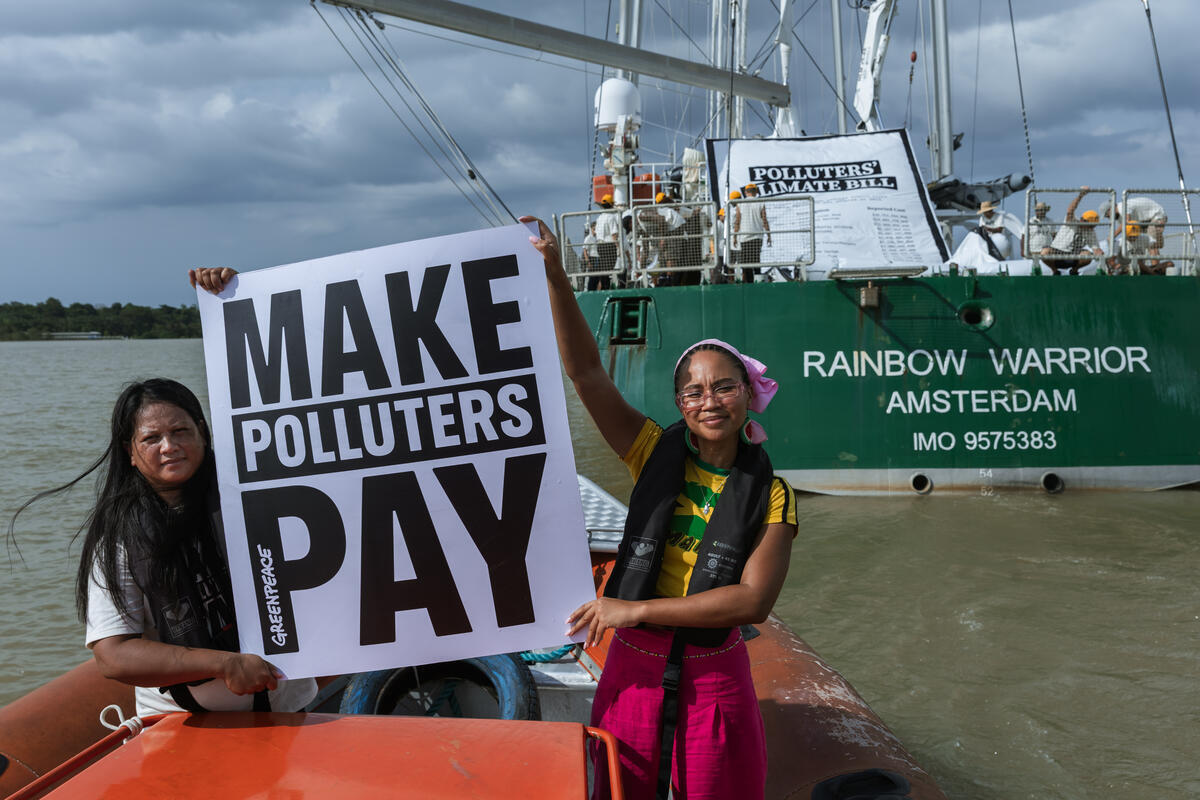
And there are clear ways to help plug the finance gap through progressive environmental taxation, such as ensuring wealthy polluting oil and gas corporations and the super-rich are held to account for their climate damages. As oil and gas companies book mega profits, COP31 can help unlock progress by endorsing the principle of progressive taxation.
The people's voice at COP31
While not everyone of us can attend the COPs to demand change, it's critical that civil society, Indigenous Peoples, youth and activists are inside the UN venue to hold governments accountable, to challenge greenwash and to amplify voices that too often go unheard.
While corporate lobbyists from fossil fuel giants or meat and dairy companies prowl the UNFCCC system to try and exert influence over the outcome, Greenpeace attends the COPs to challenge and expose them.
We're also there to maintain the pressure on politicians to ensure they act in the interest of people, not profit, and make the urgent changes our world demands. It's far from perfect, but the path to keep 1.5°C alive also runs through the COP and it's long past time they led to accelerated action.
- Greenpeace policy briefing: COP31 priorities and expectations
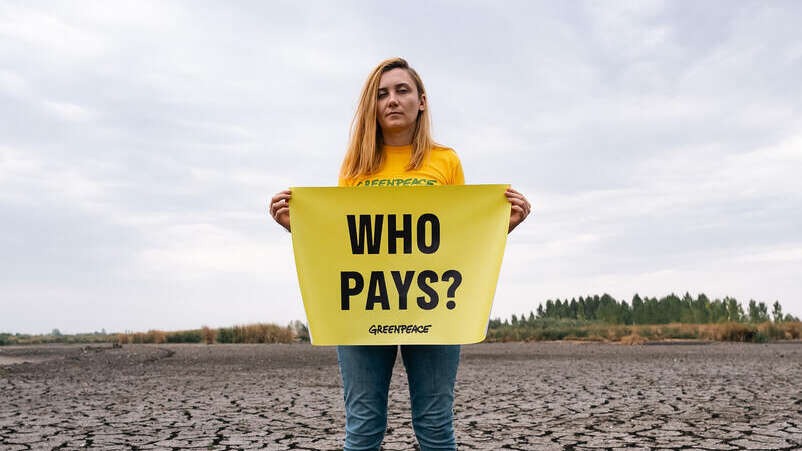
Sign the pact, record your story. Join the global movement to make polluters pay.
Frequently Asked Questions
What is the climate COP?
COP stands for Conference of the Parties. It is an annual UN climate summit held under the United Nations Framework Convention on Climate Change (UNFCCC) where governments negotiate how to limit global heating and support communities affected by climate impacts.
What must governments achieve on fossil fuels at COP31?
At COP31, governments must translate the COP28 commitment to transition away from fossil fuels into actionable national roadmaps. Key demands include ramping global renewable power generation to 75% by 2035 and establishing an international Just Transition Mechanism.
What must governments do for forests at COP31?
At COP31, states need to establish an implementation and accountability framework capable of delivering the 2030 forest and biodiversity targets. There can be no 1.5°C solution without work to end and reverse forest destruction.
What must governments do for climate finance and to make polluters pay at COP31?
At COP31, it is vital that developed countries announce ambitious multi-year post-2025 commitments that reflect their fair share in delivering the US$300 billion climate finance goal established at COP29.


