
Cyclone Narelle has intensified into a Category 5 system off the coast of Queensland, according to the Bureau of Meteorology.
Tropical cyclones are a natural part of life in northern Australia, but systems of this intensity are becoming more powerful and less predictable.
With winds expected to reach 280 kilometres per hour, severe cyclones like Narelle can significantly impact coastal communities and the Great Barrier Reef — causing physical damage to coral, disrupting marine ecosystems and slowing recovery from existing pressures such as coral bleaching.
#Where is Cyclone Narelle now?
As of the latest update from the Bureau of Meteorology, Cyclone Narelle is a Category 5 system tracking off the Queensland coast, north of Cairns.
Cyclone paths can change quickly, and communities are encouraged to monitor official updates and follow local advice.
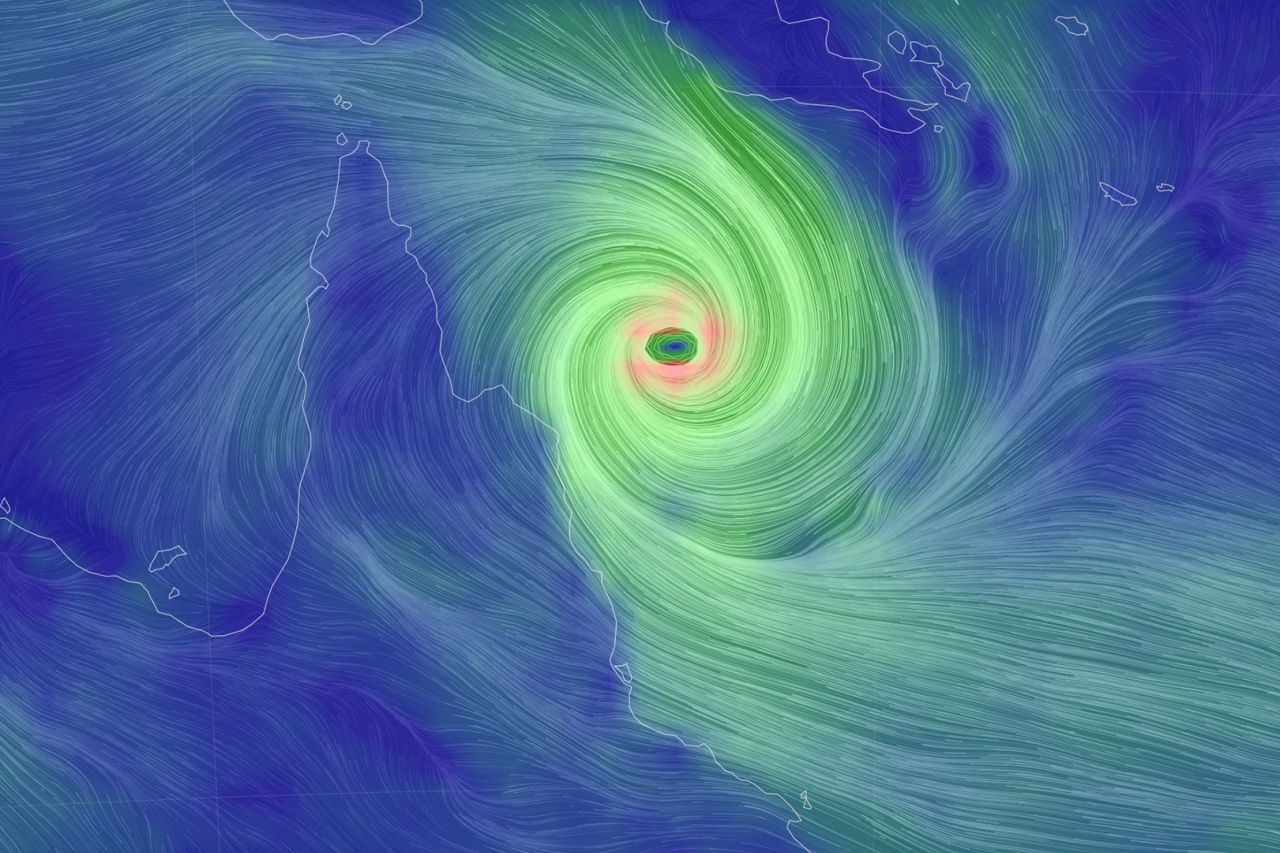
Cyclone Narelle is a category 5 system tracking towards the Queensland Coast about 300km from Cooktown. Updated 2.15pm.
#What does Cyclone Narelle mean for coastal communities in Queensland?
Severe tropical cyclones don't just affect the Reef, they have significant consequences for coastal communities across Queensland.
High winds, heavy rainfall, flooding and storm surges can:
- damage homes and critical infrastructure
- disrupt transport and essential services
- impact industries like tourism, fishing and marine operations
For many communities along the Great Barrier Reef, these events are becoming more challenging as extreme weather events intensify.
#How do cyclones affect the Great Barrier Reef?
Cyclones play a natural role in shaping Reef ecosystems but high-intensity cyclones can cause widespread damage.
Strong waves and currents can:
- Break apart coral structures
- Create unstable coral rubble
- Displace marine life
- Damage fragile reef habitats
While some reefs can recover over time, repeated or severe disturbances make recovery slower and more difficult, particularly when combined with other pressures like marine heatwaves and coral bleaching.
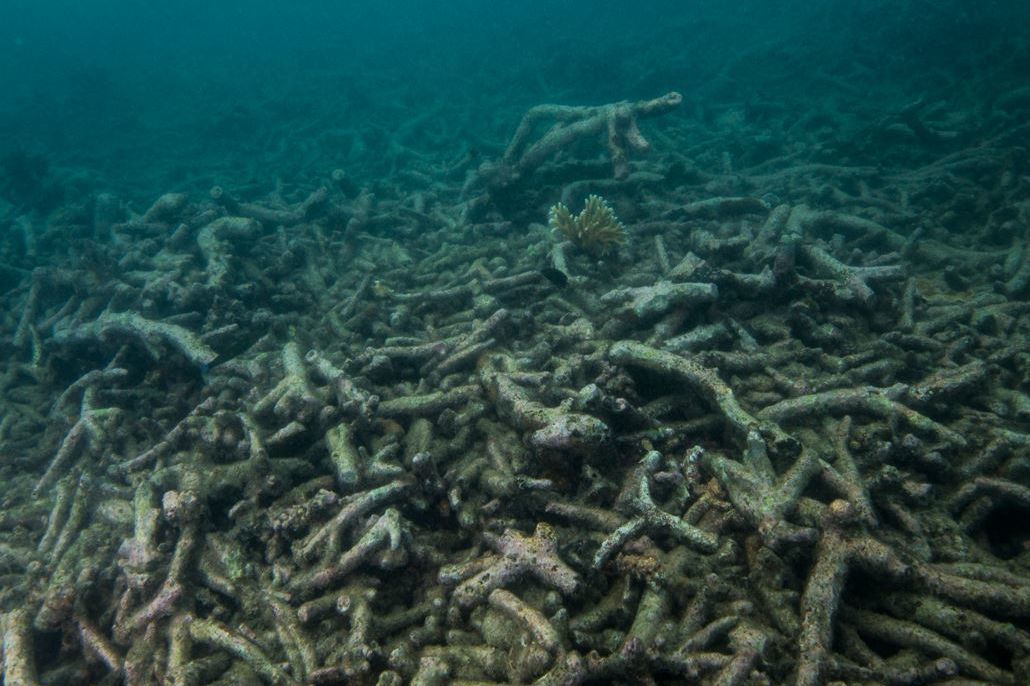
Reefs in the Whitsundays Suffered Damage During Cyclone Debbie in 2017. Credit: Gary Cranitch, Queensland Museum.
#How does flooding impact water quality on the Reef?
A significant impact of cyclones occurs after the storm passes. Heavy rainfall and flooding can wash large amounts of sediment and pollutants from land into the ocean.
This runoff can:
- smother coral and reduce light needed for growth
- cause fast-growing algae to take over, making it harder for coral to survive and recover
- impact seagrass meadows, which are critical habitats for dugongs and turtles
Poor water quality can persist for weeks or months, affecting the Reef's ability to recover.
#Are cyclones becoming more intense?
Scientists are observing changes in tropical cyclone behaviour, with warming ocean temperatures contributing to more intense storms.
While cyclones are a natural feature of Australia's climate, a warming world is influencing how strong they become and the impacts they have on both communities and ecosystems.
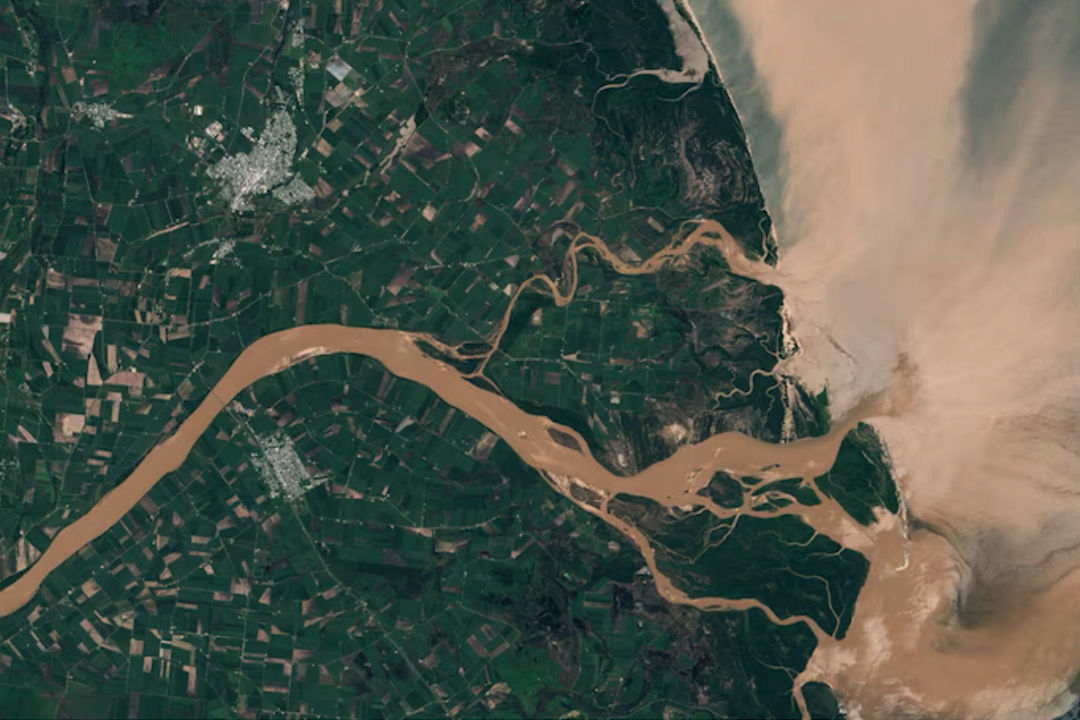
Flood plume on the Burdekin River captured 18 February, 2025. Credit: Maxar Technologies, Sourced From Abc Australia.
#Why the Great Barrier Reef's recovery matters
The Great Barrier Reef supports thousands of species and plays a vital role in Queensland's economy, including tourism and fisheries.
When severe events like Cyclone Narelle occur, recovery becomes critical — not just for the Reef itself, but for the communities and industries that depend on it.
We have two ways to promote reef recovery:
1. Rubble stabilisation
We use artificial tools like mesh netting and carbonate rocks to stabilise rubble so new corals can grow. We also replace damaged or lost reef with new structures, including cradle-like devices.
We capture coral spawn and rear baby corals in floating pools on the Reef. When they are ready, we deliver the babies to damaged areas to help repopulate them using a number of techniques including coral IVF and seedboxes.


