
A new research-based programme is designed to equip Danish soldiers to cope with stress - both during missions and in everyday life. The programme will be rolled out in 2026 as a fixed part of basic training and will also be incorporated into other military training programmes.
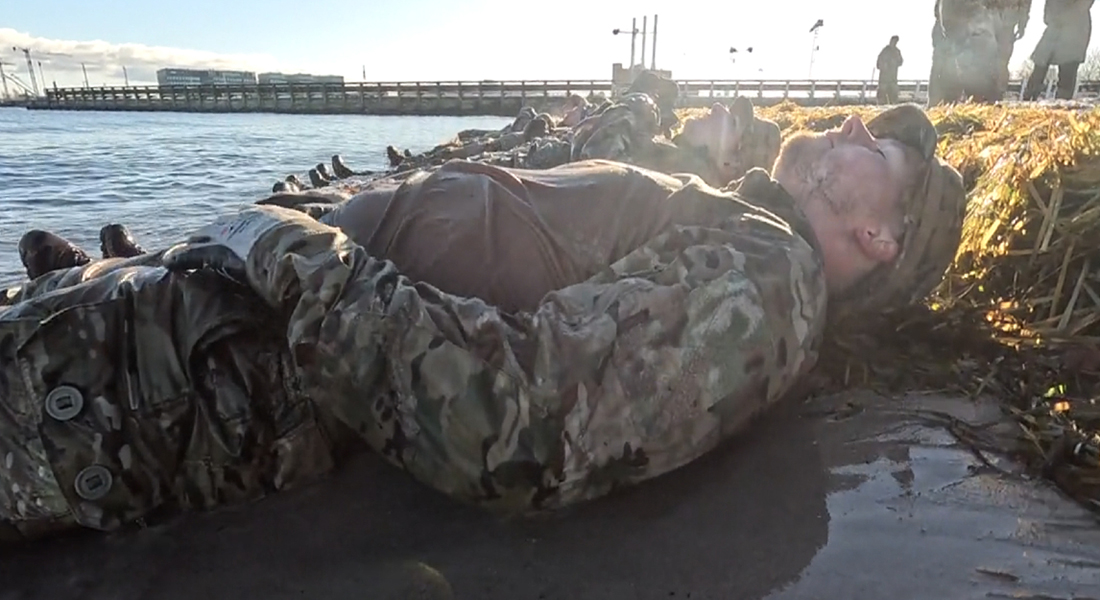
When the pressure mounts, it is not just the muscles that need to be strong. In an era of increased global unrest and complex military tasks, Danish soldiers need more than just physical training. They need mental tools to manage stress and maintain a clear overview.
That is why researchers from the University of Copenhagen and the Danish Veteran Centre have developed Military Mental Training (MMT) - the first Danish programme to systematically integrate mental health skills into structured military training.
'We know from the Veteran Centre's research that around 10 per cent of soldiers returning from high-intensity missions such as Iraq and Afghanistan experience serious psychological symptoms after their return. This is a figure we take seriously, and one that we at the Veteran Centre are constantly working to reduce,' says Anders Kjærgaard, PhD student at the Department of Psychology at the University of Copenhagen and psychologist at the Veteran Centre.
He is one of the authors of the study describing the development of the programme.
From taboo to training
Traditionally, military training has focused explicitly on physical strength and tactical skills, whilst mental readiness has often been regarded as something one implicitly 'just has'. The new programme seeks to challenge that assumption. MMT is built around evidence-based methods in stress management and includes specific techniques such as visualisation, goal-setting and breathing techniques. Furthermore, the programme has been adapted to Danish conditions.
- Purpose: To strengthen mental health skills and stress management among Danish soldiers.
- Content: Psychological training on stress, prevention and practical techniques such as breathing, visualisation, goal-setting and inner dialogue.
- Structure: Three levels - from basic training to instructor training.
- Background: Developed by the Veteran Centre with input from international experts.
- Implementation: Mandatory in Danish basic training from 2026.
- Pilot results: Over 90 per cent of participants rate the programme as relevant and useful.


