
The High-Level Steering Committee meetings of the Black Sea Middle East Flash Flood Guidance System (BSMEFFGS) and Southeast Europe Flash Flood Guidance System (SEEFFGS) were held in Tbilisi, Georgia, on 13 and 14 July 2026.
As part of the global Flash Flood Guidance System (FFGS) project , the meetings marked an important milestone, serving as the final Steering Committee meetings under the current project grant from the US Department of State. They brought together senior representatives from the World Meteorological Organization (WMO), participating countries and regional partners to review progress, share experiences, and discuss priorities for sustaining the work beyond the project period.
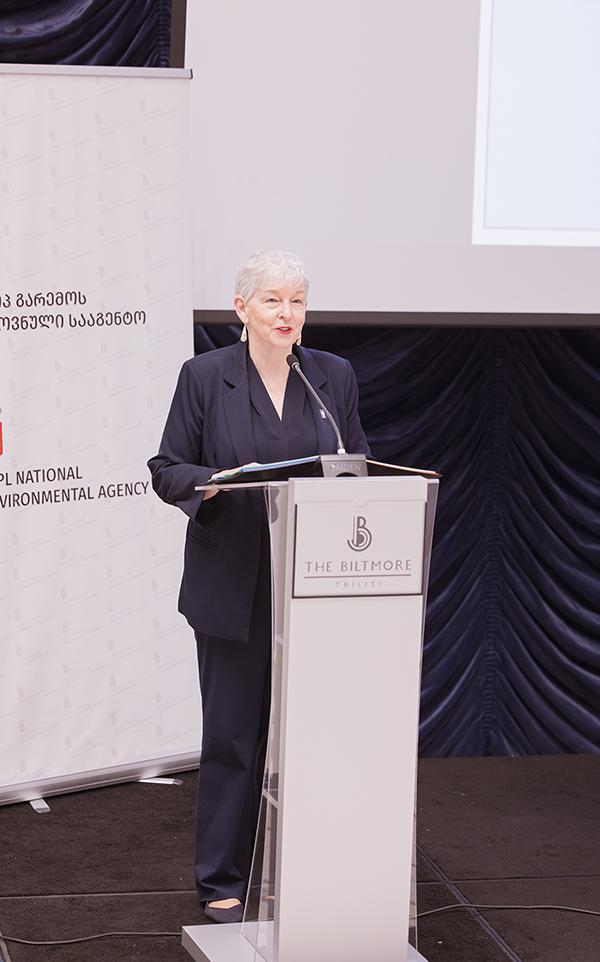
The high-level participation reflected the importance of continued regional cooperation on flash flood early warning. WMO Deputy Secretary-General Ms. Ko Barrett joined the meetings, together with Dr Robert Wayne Jenkinson, Director of the Division of Hydrology and Cryosphere, WMO colleagues, Permanent Representatives from participating countries and experts from across the region.
The meetings were hosted by the National Environment Agency (NEA) of Georgia, in collaboration with Global Water Partnership Georgia and WMO. Senior Georgian officials, including Ms Nino Tandilashvili, First Deputy Minister of Environment and Agriculture; Ms Elene Ghubianuri, Head of NEA; and Mr Irakli Megrelidze, Deputy Head of NEA and Permanent Representative of Georgia to WMO, participated in the discussions.
A milestone for the project
The FFGS project has brought together countries and technical experts to strengthen flash flood forecasting and early warning capabilities in the two regions. Through the project, participating countries have benefited from technical cooperation, capacity development, and access to flash flood guidance products to support operational forecasting.
The Tbilisi meetings provided an opportunity to take stock of this work and discuss the way forward.
As the project comes to an end, an important focus was placed on sustainability, ensuring that the systems, knowledge and partnerships developed through the project continue to support countries beyond the project period.
Connecting countries and expertise
Regional cooperation is essential for effective flash flood management. Flash floods can develop rapidly and affect communities with little warning. Strengthening cooperation between meteorological and hydrological services helps countries share experience, strengthen technical capacity, and improve the use of information for early warning.
The Steering Committee meetings provided a platform for countries to discuss their experiences, challenges, and priorities. The discussions also highlighted the importance of maintaining strong links between WMO, participating countries and regional partners, helping to strengthen coordination and support continued progress in flash flood early warning across the region.
Looking beyond the project
The end of the project marks an important milestone, but the need to address the challenges associated with flash flooding continues. The Tbilisi meetings highlighted the value of continued national ownership, technical capacity and regional cooperation, as well as the growing opportunities for collaboration across regions.
The meetings also provided an opportunity to look ahead to new areas of cooperation and initiatives underway within WMO, including work under the Flood Forecasting Framework (FFF). These efforts can build on the experience and partnerships developed through BSMEFFGS and SEEFFGS, further strengthening flash flood forecasting and early warning and ultimately helping countries better address the risks faced by communities vulnerable to flash floods.


