
A new Lancet Commission on Precision Health has been launched to develop a comprehensive framework for integrating precision approaches into health systems worldwide. Researchers from Karolinska Institutet are contributing to the work, with a particular focus on ensuring equitable access, including in resource-limited settings.
The Lancet Commission on Precision Health brings together experts from around the world with the aim of developing the evidence base for a final report that will provide recommendations on how precision health can be implemented equitably at a global level. The work is led by Chair Paul Franks, Professor at Lund University and from the Department of Molecular and Medicine and Surgery participates Richard Rosenquist Brandell, Anders Kämpe and Zahra Haider.
Working groups map different areas
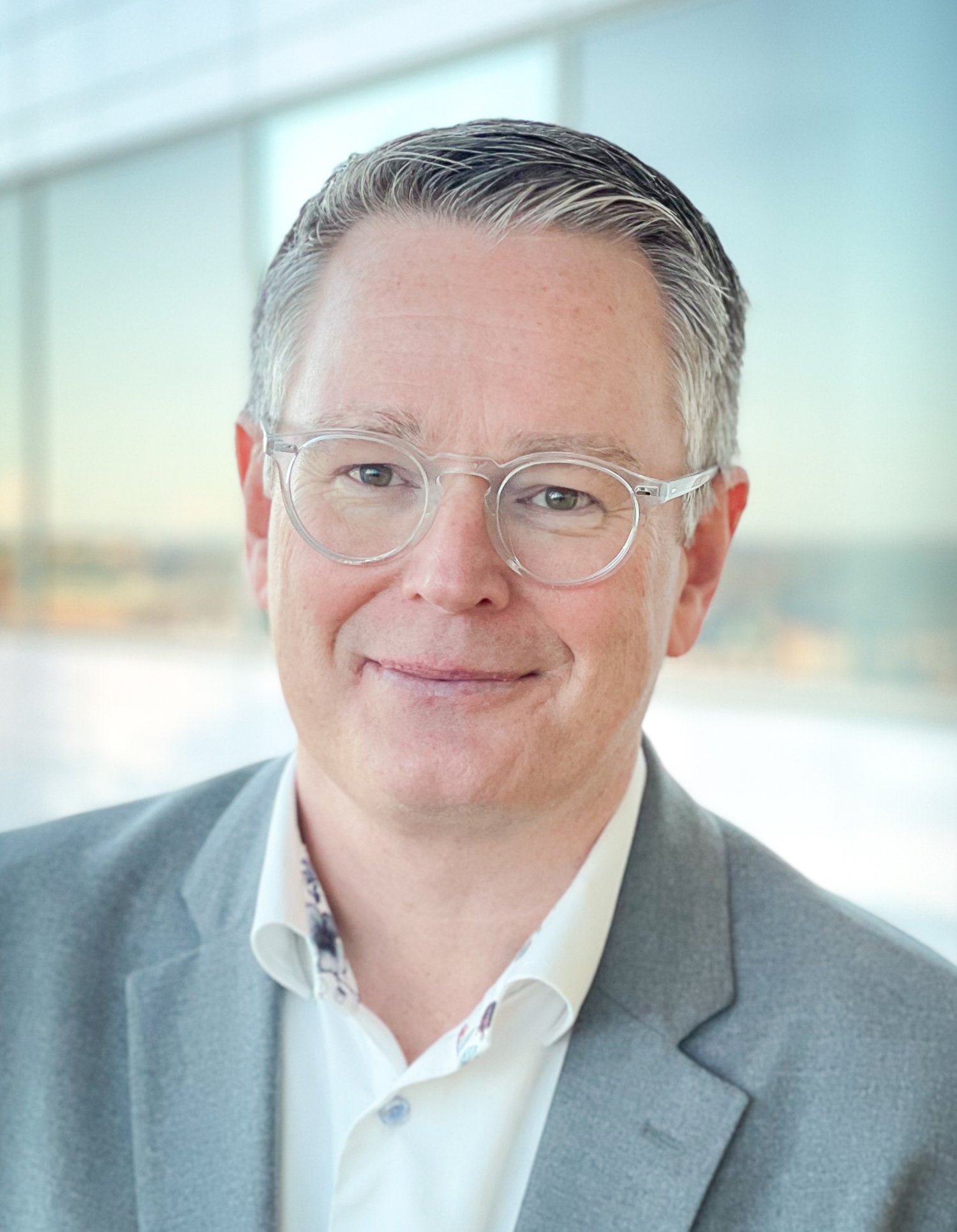
"I lead one of the working groups focusing on mapping how precision medicine and precision health have been implemented globally to date, as well as assessing the extent to which individuals have access to these approaches," says Richard Rosenquist Brandell , Professor of Clinical Genetics, the Department of Molecular Medicine and Surgery , Karolinska Institutet and Director of Genomic Medicine Sweden.
"As part of this work, we will analyze the types of infrastructure and competencies required to enable precision health, and identify the changes needed to make this feasible going forward," he continues.
The Commission focuses on cancer, cardiometabolic diseases, respiratory disorders, and mental health. The goal is to formulate concrete and actionable recommendations for how precision health can be integrated into the future of healthcare systems, regardless of varying economic conditions.
"This is critically important work, particularly to ensure that advances in precision health do not contribute to widening disparities, either between or within countries. A central focus is to promote equitable access, especially for underrepresented groups," says Richard Rosenquist Brandell.
Health infrastructure and access to precision health
Anders Kämpe and Zahra Haider, both researchers in the Clinical Genetics research group, also contribute to the work of the commission in their capacity as early-career researchers.
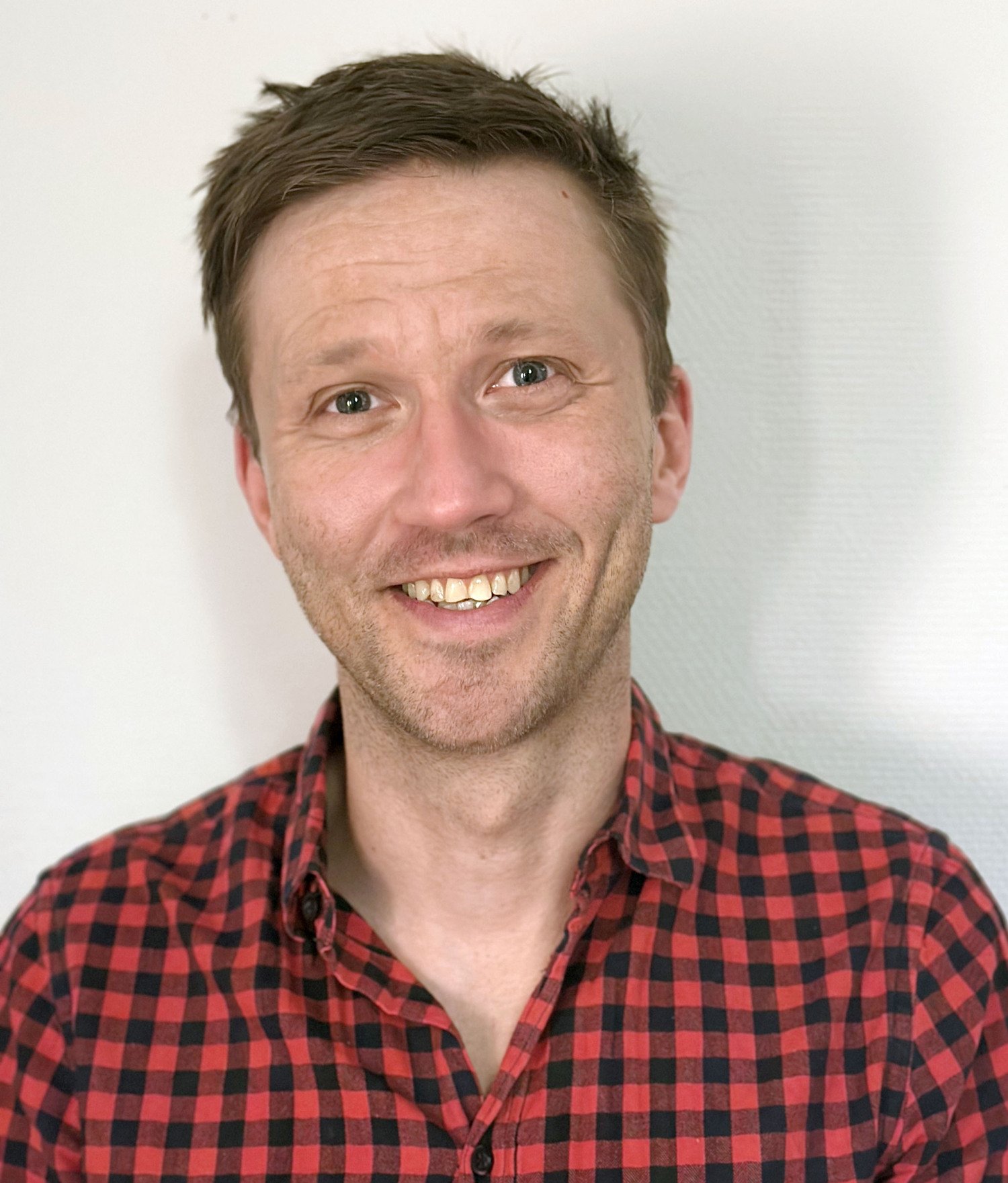
"I am very excited to contribute to this Commission, and I particularly appreciate its emphasis on precision health, because I believe modern medicine needs to move more clearly toward prevention rather than focusing only on treatment after disease onset. I am part of the group focusing on health infrastructure and access to precision health, which I see as one of the main barriers that must be overcome before large-scale implementation can become a reality," says Anders Kämpe .
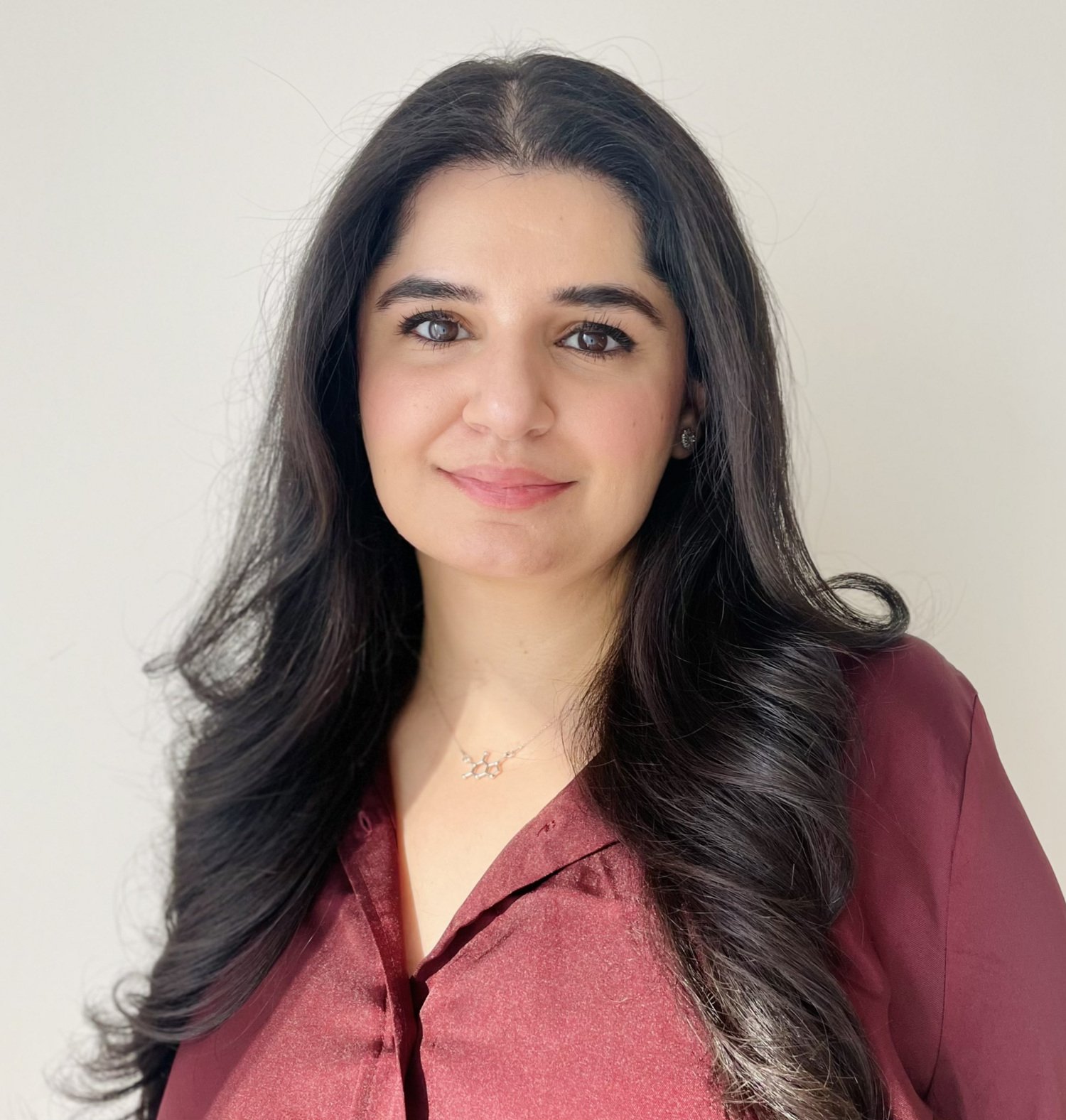
"This is an incredible opportunity to assess the current global landscape of precision health implementation and examine how equitable and accessible it is across diverse contexts," says Zahra Haider . "Many advances in precision health implementation originate in high-income settings and therefore often overlook the resource constraints of low- and middle-income countries (LMICs)."
"I will be contributing to evaluating the costs of action and inaction across country income groups, and I am especially motivated to ensure that precision health strategies are designed with affordability, scalability, and inclusivity at their core, so that LMICs as well as marginalised communities are not left behind," says Zahra Haider.
Publication
The Lancet Commission on precision health: equitable, data-driven health outcomes for all.
Franks PW, Lim LL, Ramsay M, Chotirmall SH, Abedalthagafi MS, Ali R, K SB, Ford J, Giordano GN, Hamdi Y, Kieling C, Leal J, Li F, Lopes-Cendes I, Lyons L, Misra S, Owolabi MO, Rosenquist R, Tandon N, Tsosie KS, Udler MS, Smeden MV, Verguet S, Wason J
Lancet 2026 May;():
The Lancet Commission
A Lancet Commission is an initiative of the medical journal The Lancet, one of the world's most respected scientific publications in medicine and health. These commissions are established to explore, analyse and propose solutions to major global health challenges that require interdisciplinary collaboration.


