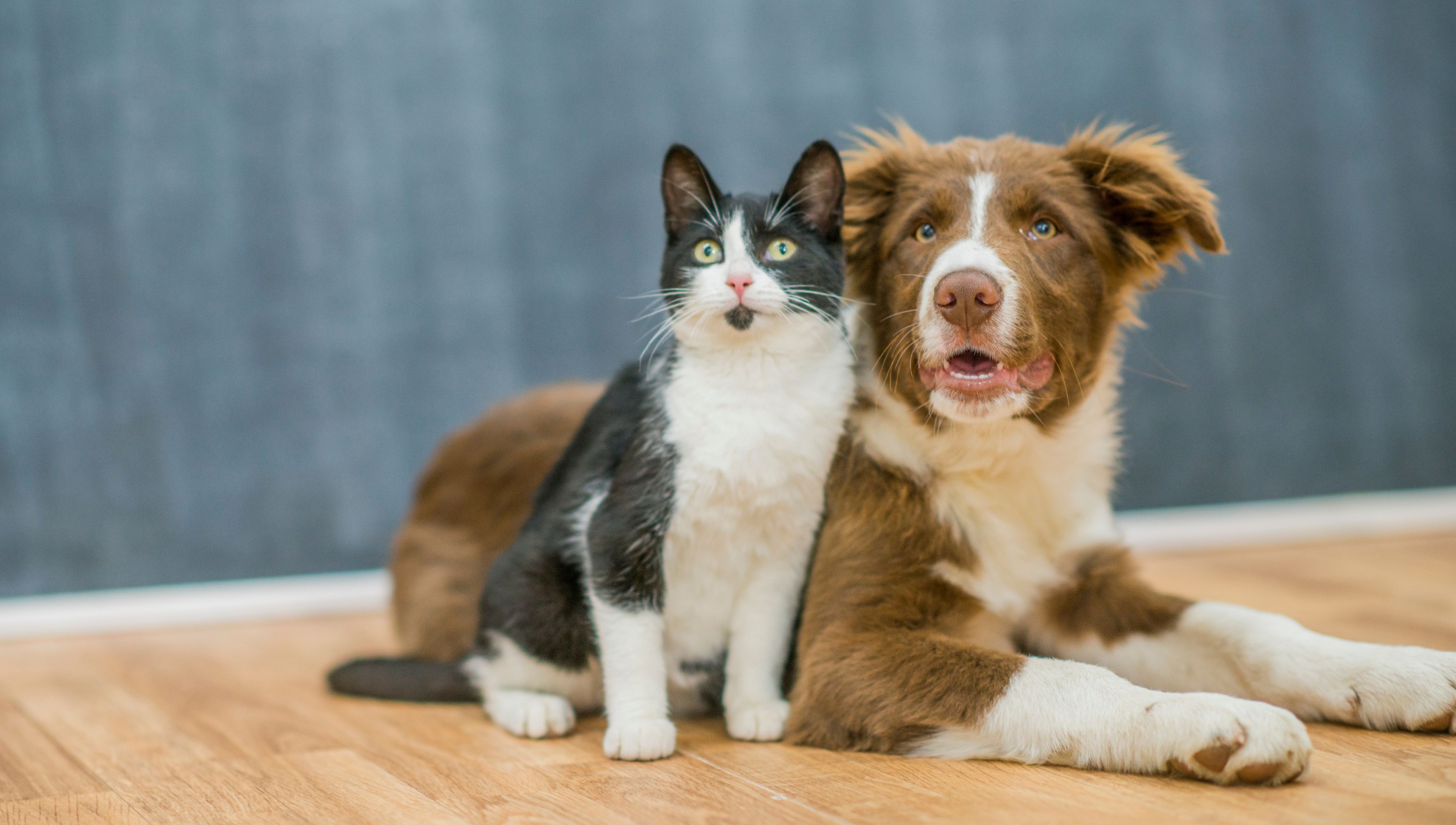
The State Government and the RSPCA are urging pet owners to implement simple measures to reduce opportunities for their pets and backyard poultry to come into contact with wild birds.
Since H5 bird flu was first detected in South Australia on 24 June, there have been more than 160 confirmed cases in wild birds. To date, there have been no detections in poultry or other livestock in the state.
While the risk to human health remains low, overseas outbreaks have shown that H5 bird flu can infect cats, dogs, pet birds and backyard poultry.
However, there are simple steps that can help keep pets safe.
Pet birds and poultry
- always thoroughly wash your hands with soap before and after handling poultry
- fence off or put netting over areas of standing water or ponds
- provide feed and water undercover, so wild birds can't access it
- provide fresh feed and water daily
- keep feed and water spaces clear of faeces and other organic matter
- make sure drinking water is treated, especially if it's straight from a natural water source, such as a river or dam
- regularly change nesting materials
- make your premises unattractive to wild birds - use bird scarers, foils or streamers
- where more than one poultry species is usually kept together, separate them from one another
- limit visitor contact with birds – check if essential visitors have recently been at other premises where poultry are kept.
Keeping dogs safe
- keep dogs on a lead in public areas, especially in areas where wildlife is present including on the beach
- keep dogs away from sick or dead birds or other wildlife
- keep dog food and water indoors and out of reach of birds
- always ensure they have access to fresh and clean water
- clean your shoes thoroughly after walking your dog in a wildlife area.
Keeping cats safe
- prevent cats from roaming by keeping them indoors to minimise their contact with wild birds
- if they do spend time outside, use a secure outdoor enclosure that prevents contact with wild birds
- keep cat food and water indoors and out of reach of birds
- always ensure they have access to fresh and clean water.
Since 2022, the South Australian and Australian governments have committed more than $8 million to H5 bird flu preparedness. Funding has supported emergency animal disease response capabilities, including specialist equipment, mobile laboratories and decontamination trailers.
A further $3.5 million from the Australian Government is supporting preparedness and wildlife resilience projects across South Australia, with a focus on protecting threatened species and strengthening local response measures.
RSPCA SA CEO Marcus Gehrig said bird flu presented a "serious challenge for animal welfare".
"RSPCA South Australia is working closely with government and animal health authorities and urges anyone who encounters sick or dead birds to avoid contact and report them immediately," Mr Gehrig said.
Sick and dead birds and other wildlife should be reported to the Emergency Animal Disease Hotline on 1800 675 888.
For the latest updates, information and advice about H5 bird flu in South Australia, visit birdflu.sa.gov.au