
The International Labour Organization's (ILO) new STREAM Programme held a series of consultations with key national stakeholders in Nepal on enhancing social protection systems, promoting fair recruitment, and improving decent work conditions from origin to destination for Nepalese migrant workers in GCC countries.
Around 4.5 million Nepali migrant workers are employed in GCC and other destination countries. Despite their vital contribution to economies abroad and development at home through their work, skills and remittances, many continue to face heightened - but often preventable - risks, including unfair and unethical recruitment, unsafe working and living conditions, and limit access to adequate social protection throughout the migration cycle.
Despite recent legislative and policy advances, the ILO's Survey of access to social protection for Nepalese migrant workers in countries of the Cooperation Council for the Arab States of the Gulf (GCC) reveals structural gaps in de facto access to social protection for Nepali workers employed in the Gulf. These protection gaps are especially severe for low-wage workers and women migrant workers, many of whom are employed in the domestic and care sectors, where social and economic vulnerabilities intersect.
© ILO
With social protection reforms underway across GCC countries, and Nepal stepping up its own institutional efforts - including by rolling-out of a migrant worker-inclusive social security scheme under the Social Security Fund - there is growing momentum to address structural challenges and explore new opportunities to strengthen social protection for migrant workers and their families throughout the migration cycle. The ILO's newly launched STREAM Programme ("Extending social protection to migrant workers and their families in the South Asia-Gulf corridor") sets out to advance a new vision for strengthening social protection for migrant workers and their families across one of the world's most significant labour migration corridors.
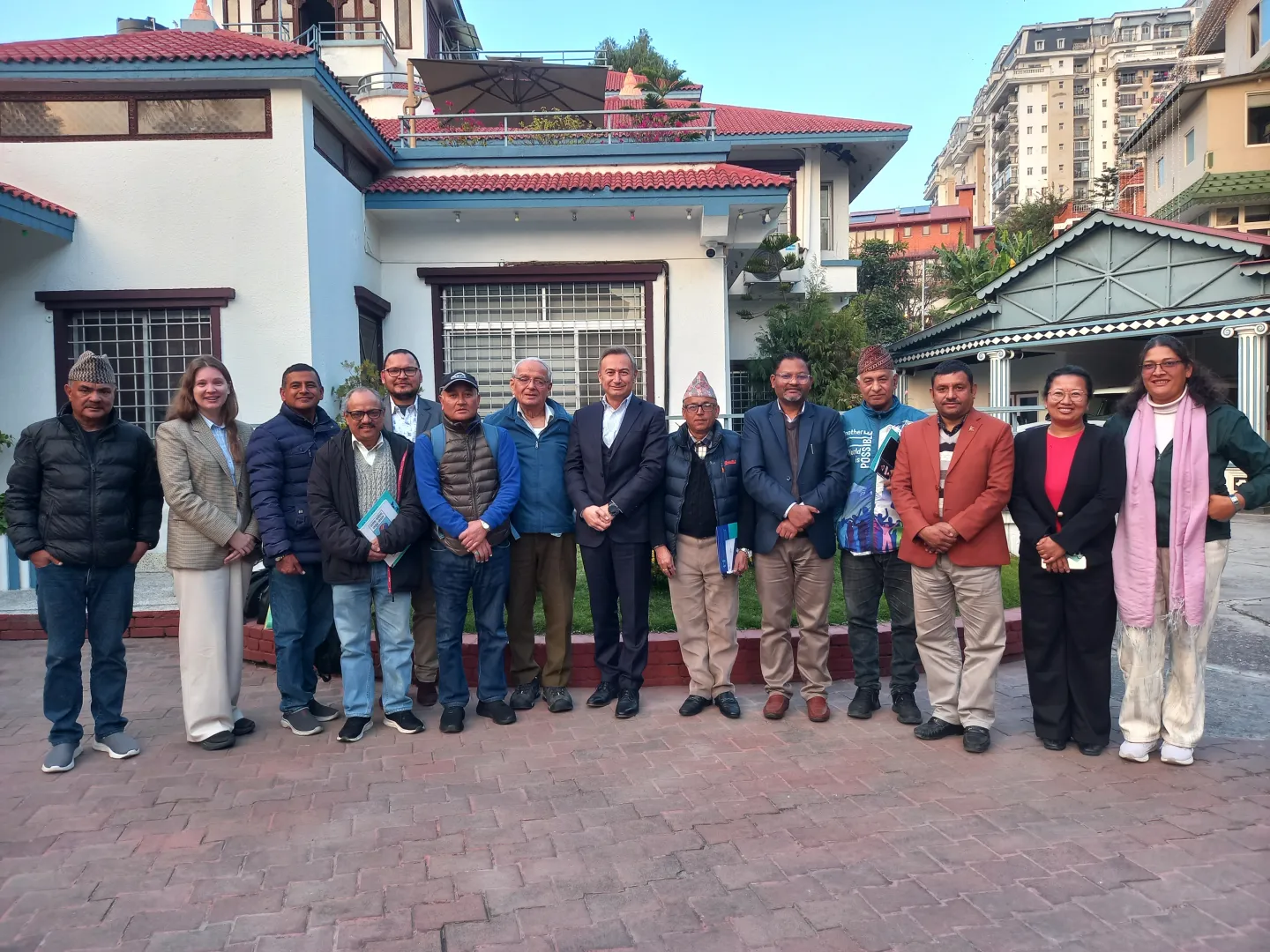
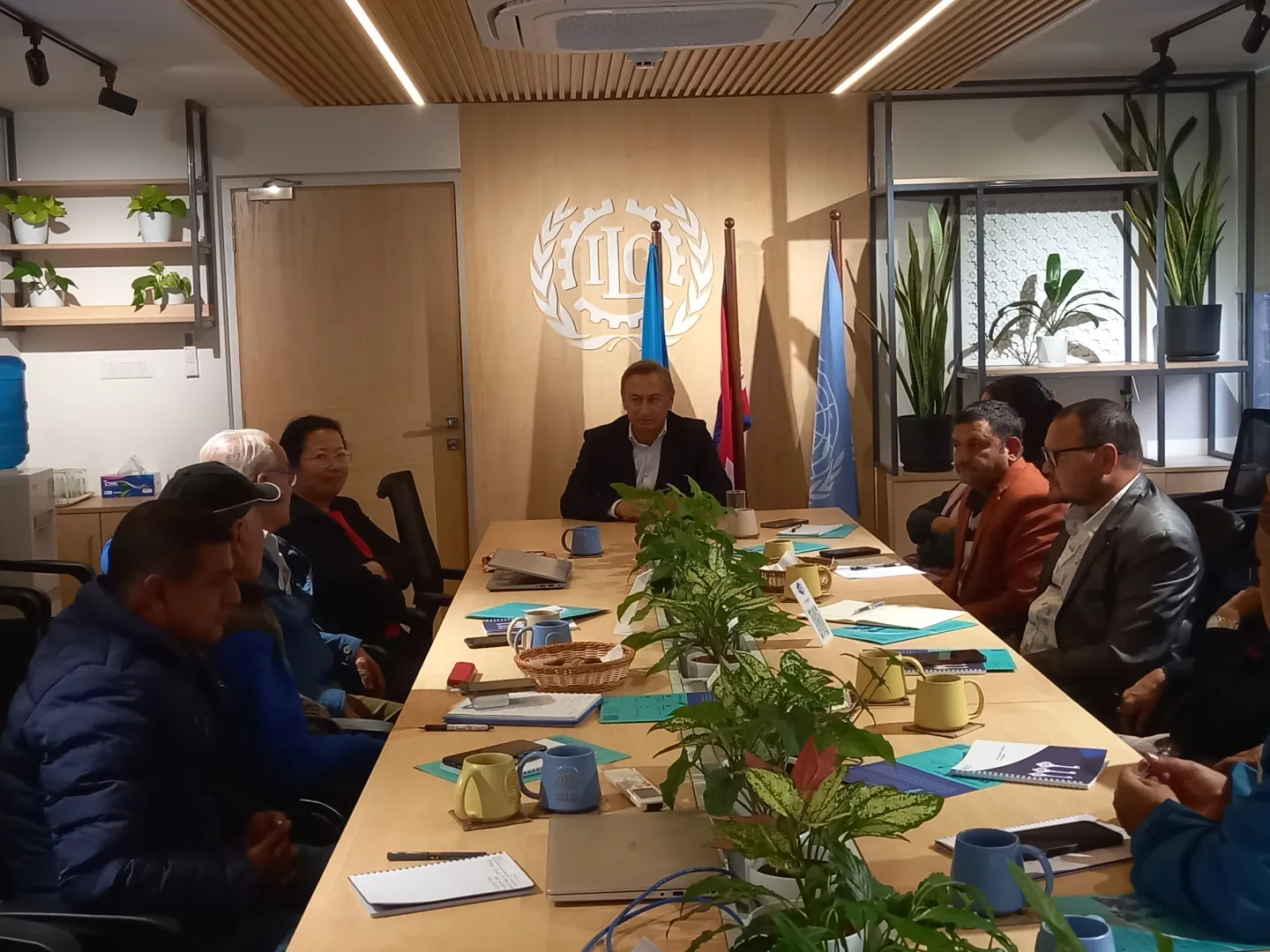
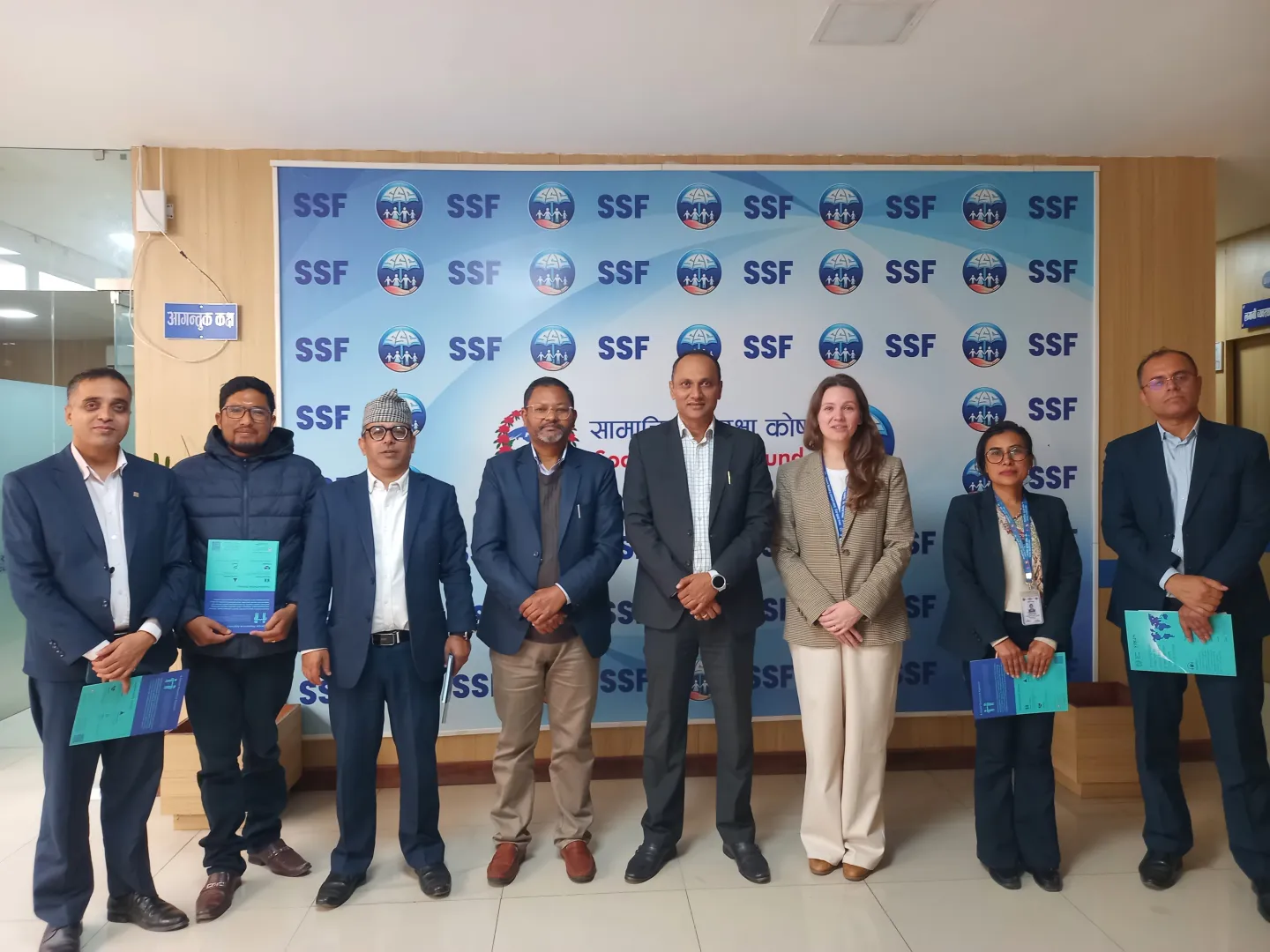
As part of its inception work to identify entry points for technical support to Nepal, the STREAM Programme held consultations with national stakeholders including the Ministry of Labour, Employment and Social Security, the Social Security Fund, trade unions and civil society organizations. The discussions highlighted the significant unilateral efforts already undertaken to extend social protection and services to Nepali migrant workers abroad and their families back home. They also underscored the need to streamline these measures and build a more coherent, better coordinated approach across institutions and programmes. Stakeholders further emphasized the importance of exploring cross-border cooperation with GCC countries to support the sustainability and adequacy of social security provisions in Nepal, and to help ensure that employment-related benefits acquired abroad can contribute to income security for workers and their families upon return.
© ILO
"Nepal has taken important steps to build national systems to protect its workers abroad, particularly through the Social Security Fund and welfare services," said Numan Özcan, ILO Country Director for Nepal. "The priority now is to explore durable cooperation with GCC partners to better connect these systems, so that the social rights Nepali migrant workers earn abroad translate into real social protection for them and their families at home."
Throughout the consultations, particular attention was drawn to the situation of migrant workers in the domestic and care sectors, the majority of whom are women. These workers often remain excluded from formal social security schemes and face multiple, intersecting vulnerabilities. In this context, participants stressed the need to strengthen gender-responsive social protection measures for domestic and care workers. In addition, they highlighted the need to enhance awareness-raising efforts so that migrant workers and their families are better informed about their social protection rights and entitlements in the GCC, as well as procedures to claim their rights.
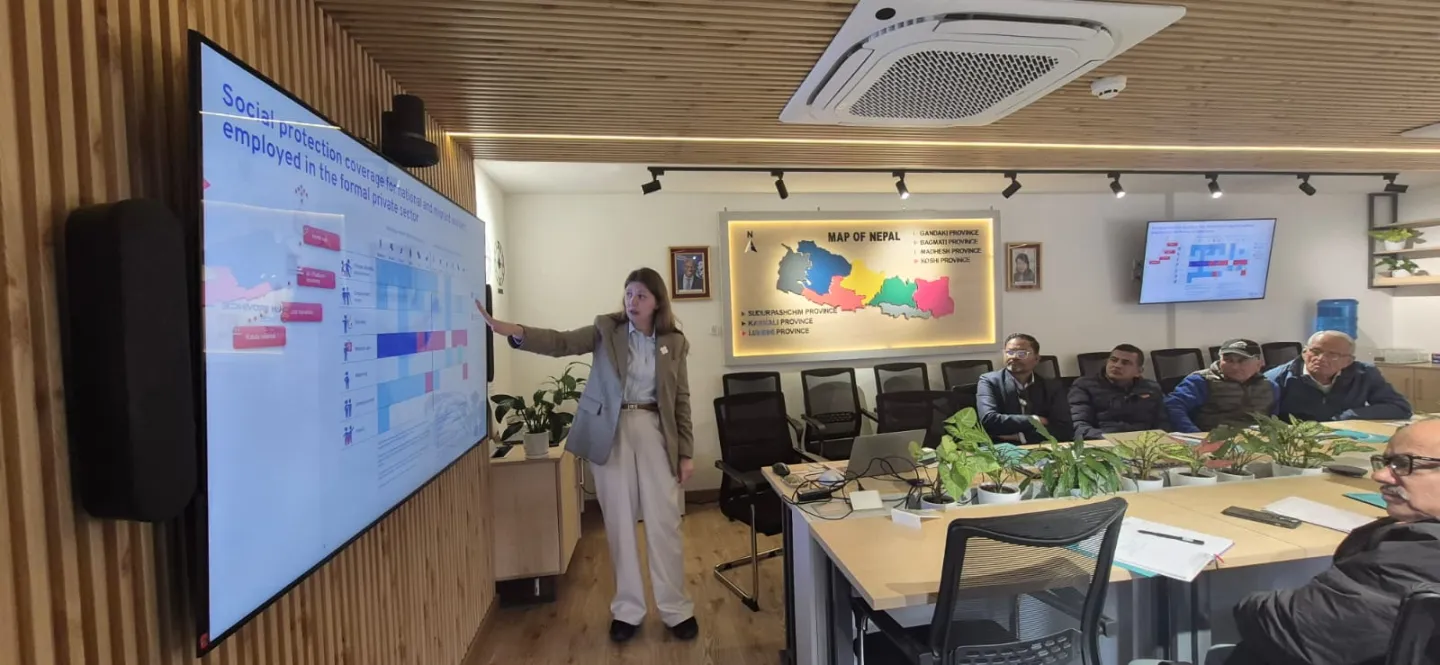
The consultations also identified the need for improved data collection and consolidation, paired with broad information-sharing among government and non-governmental stakeholders on migrant workers' access to social protection entitlements and acquired rights in GCC countries. They highlighted this as a critical priority for translating policy commitments to effective, evidence-based and rights-driven action.
© ILO
"The STREAM Programme's work in Nepal is closely linked to a wider regional effort to rethink social protection along the South Asia-Gulf migration corridor," stated Karina Levina, Technical Officer with the ILO STREAM Programme. "This regional perspective helps us identify shared priorities along the migration corridor to amplify the voice of countries of origin and better connect systems across borders so that the rights of Nepali and other South Asian migrant workers are protected both abroad and upon return."
© ILO
In Nepal, the STREAM Programme works in close cooperation with the ILO's Migrant Rights and Decent Work (MiRiDeW) project and the Partnership on Protecting and Promoting the Rights of Nepali Migrant Workers, including Care Migrant Workers (PPR-MW). Designed and implemented in a mutually reinforcing way, these initiatives support a coherent approach to strengthening labour migration governance, promoting fair and ethical recruitment, and building inclusive, migrant-responsive social protection systems for Nepali migrant workers abroad and at home. Through this integrated portfolio, the ILO is supporting Nepal to align policy and practice, contributing to safer, more dignified and equitable labour migration for Nepali workers.
STREAM is a multi-country, multi-partner initiative designed to expand inclusive, gender-responsive and rights-based social protection coverage for migrant workers and their families across the South Asia-GCC migration corridor. Implemented by the ILO in partnership and with funding from the Swiss Agency for Development and Cooperation, the Foreign Policy Instrument of the European Union, and the Ford Foundation. STREAM aims to create a world where every migrant worker - no matter their gender, status, or sector - can access the social protection they deserve to live and work in dignity.
Related content
STREAM -


