The latest oil price shock has exposed a problem that goes far beyond the war on Iran and its devastating human and environmental consequences. New Greenpeace International analysis shows how dependence on fossil fuels leaves household budgets exposed to volatile international markets, with price shocks feeding through into the wider economy.
Between January and August 2026, fossil fuel prices accounted for the entire 1.5 percentage point rise in eurozone inflation, according to the analysis. Without the oil price shock, eurozone inflation in August would have been 2.2 per cent, rather than 3.2 per cent.
This is fossilflation. And it is a problem that will keep returning for as long as our economies depend on fossil fuels.
When oil and gas prices rise, people can end up paying more for essentials. The war on Iran has exposed this vulnerability again. Dependence on fossil fuels leaves people's living costs tied to conflict, disrupted supplies and volatile international markets.

Fossil fuels keep exporting crises into our homes
People around the world already know what fossilflation feels like. When oil and gas prices rise, the effects reach far beyond the petrol station or the energy bill. They ripple through transport, food production, manufacturing and the cost of everyday goods and services.
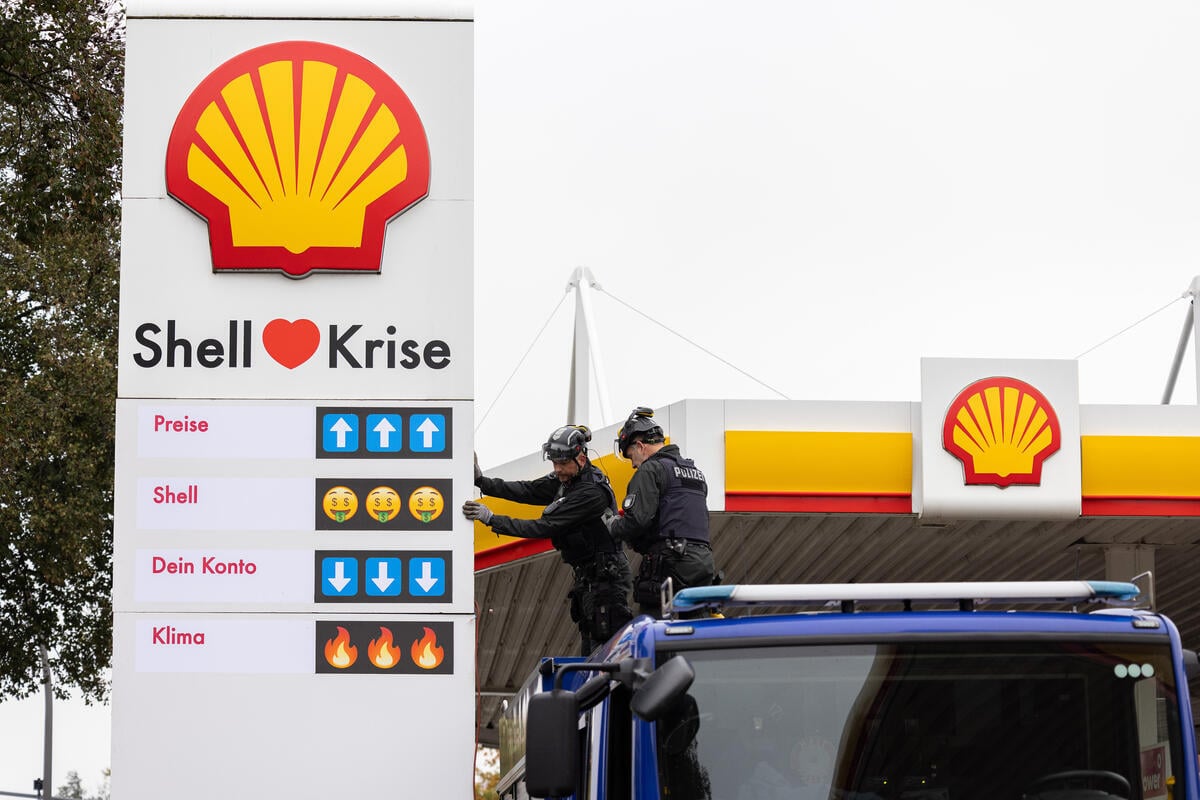
The latest price shock has been felt globally, but not equally. While the analysis focuses on Europe and the US, the consequences extend to regions such as Southeast Asia and Africa, where households and economies often have less capacity to absorb higher prices. Rising costs can push essential goods and energy further out of reach, compounding existing inequalities.
The result is an economic system in which people have little control over the forces driving their living costs. A war or disruption thousands of kilometres away can send prices soaring at home, regardless of whether households have changed how much energy they use.
An inherent feature, not a bug
The new analysis shows just how strongly energy prices have shaped inflation in recent years. Energy prices drove 100 per cent of changes in inflation in the US and in the Eurozone so far in 2026.
Before the pandemic, the figures were already high: 71 per cent in the eurozone and 93 per cent in the US. This suggests fossilflation is not simply a temporary consequence of an exceptional crisis. It is a recurring vulnerability built into an economy that remains dependent on volatile fossil fuel markets.

Interest rate rises cannot fix the underlying problem. Central banks can try to dampen inflation by reducing demand, but they cannot stop wars, prevent disruptions to oil and gas supplies or make international fossil fuel prices predictable. Higher borrowing costs can add pressure for households and local businesses without removing the source of the shock.
As long as fossil fuels remain central to our energy systems, the next disruption will trigger another wave of price rises. The trigger may change, but the vulnerability remains.
Electrification and renewables offers a way out
The analysis also points to a different future: one in which households are less exposed to fossil fuel price shocks because they generate and use clean energy.
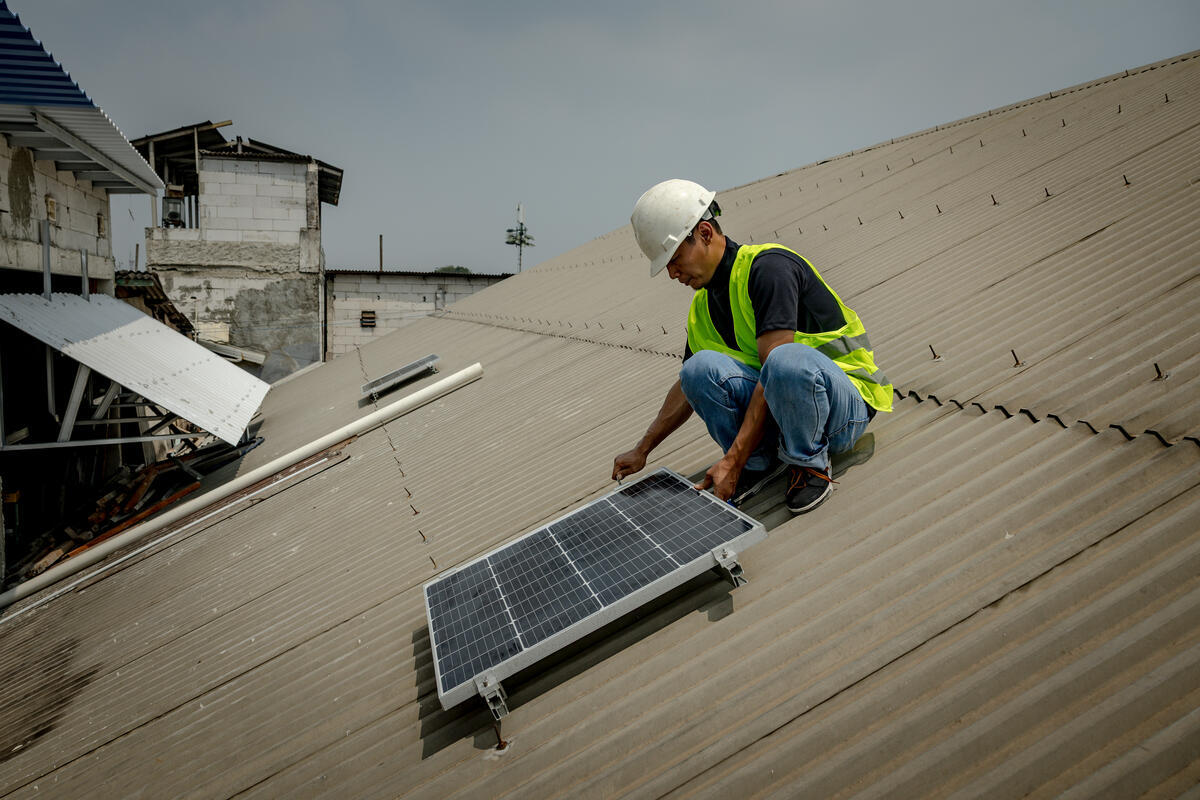
In a simulation, a fully electrified German household using an electric vehicle, heat pump, rooftop solar and battery storage experienced a 1.5 per cent price increase between January and August 2026, compared with 2.5 per cent for the official consumer basket.
This is an illustration of the protection that electrification and locally generated renewable energy can offer. Rooftop solar and batteries can reduce reliance on volatile energy markets. Electric vehicles and heat pumps can replace oil and gas consumption with electricity, increasingly supplied by renewable sources.
The benefits extend beyond individual households. A decentralised renewable energy system, built around clean power generated closer to where it is used, can reduce dependence on imported fossil fuels and give communities greater control over their energy supply.
But these benefits will not reach everyone automatically. Governments must accelerate the transition and ensure households can access the technologies, infrastructure and support they need. People already struggling with energy costs should not be left behind while others benefit from cheaper, cleaner energy.
Replace the system that keeps making people pay
Fossilflation reveals a fundamental contradiction in the current energy system. Governments are expected to protect people from rising living costs, yet continued dependence on fossil fuels leaves people exposed to price shocks governments cannot control.

The answer cannot be to wait for the next crisis and then try to cushion its effects. Nor can it be to treat every price spike as an isolated event. The underlying vulnerability must be addressed.
Governments must speed up the replacement of fossil fuels with decentralised renewable energy and electrification. That means expanding access to clean electricity, accelerating the rollout of solar and batteries, supporting the shift to electric transport and heating, and ensuring the transition benefits households and communities.
The latest data makes clearer what people across the world are already experiencing: fossil fuel dependence is a source of economic instability, not security. The war in Iran has exposed that vulnerability once again. Unless we replace the system that creates it, another shock will come, and people will be left paying the price.
A renewable energy system offers a way to break that cycle: cutting climate pollution while giving people greater protection from volatile international markets and more control over the energy they depend on.
Martin Zavan is a freelance communications strategist at Greenpeace International, based in Sydney.
Stop fossil fuel giants profiting from war and pollution. Sign now to tax profits and fund disaster relief and energy independence.