
Scientists exploring the links between a spinal cord injury, inflammation and immune function have turned their attention to a genome-level analysis of the gut microbial community, with early study results offering hints at potential new approaches to aid healing.
In mice, refeeding a strain of bacteria that was depleted after spinal cord injury (SCI) lowered inflammation and stabilized weight loss. A second study identified 19 microbial species in the mouse gut with the strongest links to the body's loss of nitrogen after SCI, which is associated with muscle wasting in humans.
Beyond these preliminary findings, the extensive genome-based mapping of microbial communities positions the research team from The Ohio State University to broaden understanding of the gut's role in injury complications - as well as possible protective activities - when the central nervous system is disrupted.

"We tend to think of spinal cord injury as a problem that begins and ends in the spinal cord, but our work suggests that we need to think much more broadly," said co-senior author Phillip Popovich, professor and chair of neuroscience in Ohio State's College of Medicine. "The spinal cord is a major communication pathway between the brain and the rest of the body, including the gut, where trillions of microbes interact with the body's largest collection of immune cells. When spinal cord function is disrupted, that relationship can change in ways that affect inflammation, infection, nutrition and even the production of molecules needed for normal brain and spinal cord health."
The research was reported in recent articles appearing in NPJ Biofilms and Microbiomes and Communications Biology.

Popovich's lab focuses on spinal cord injury's damage to the autonomic nervous system, the subsystem of neurons that controls things like breathing and digestion, and resulting immune system problems such as infections, slow healing and gastrointestinal dysfunction.
Ten years ago, a study led by Kristina Kigerl, a co-author of both papers and a research scientist in Popovich's lab, showed in mice that spinal cord injury disrupted the gut microbiome and that feeding probiotics had a protective effect.
In this new work, the neuroscience team joined forces with Ohio State microbiologists to create a "gut catalog" of microbial species present in the mouse gut at various time points before and after SCI that provides extensive information about not just what communities are there, but also how they interact.
"The tricky part is looking at a really complex ecosystem like the gut microbiome to figure out which microbes, or microbe-to-microbe interactions, are important for the health of the host - the person with a spinal cord injury," Kigerl said.
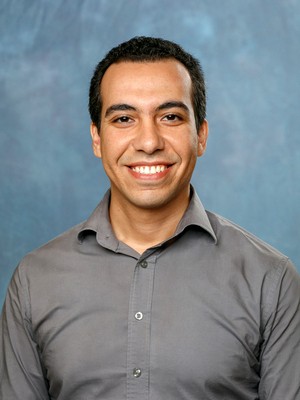
Kigerl co-led the work with Ahmed Zayed, a research scientist in microbiology, and recent Ohio State biophysics PhD graduate Mohamed Mohssen, both members of the lab led by co-senior author Matthew Sullivan, professor of microbiology and director of the Center of Microbiome Science at Ohio State. The team's research focuses primarily on how viruses impact microbiomes in complex ocean, soil and human systems, powering their investigations with time-resolved machine learning and artificial intelligence analytics.
Single gene markers in gut microbes are often used to predict bacterial functions. But this work adapted techniques from the Sullivan group's microbiome toolkit, piecing together metagenomes - the collection of genetic material from a community of microorganisms - to assemble draft genomes for 80% of the gut microbiome in one of the most common mouse strains used in nervous system research. An analysis of 333 fecal samples collected from mice resulted in 6,635 microbial draft genomes that constitute the gut catalog. The dataset also includes viruses present in the gut ecosystem, whose roles and potential influence over bacterial dynamics are part of ongoing studies.
Microbiomes were compared in three groups of male and female animals over six months: mice with an injury lesion in either the low or high thoracic spinal cord and mice with an undamaged spinal cord. The high thoracic injury completely abolishes brain-related control over sympathetic neurons that control the gut, and the lower injury reduces that control, but only partially.

Beyond identifying specific bacterial populations, the analysis enabled a look at how microbes behave as a group - some are "altruists" that share their nutrients with hungry bacteria and others are "selfish" bugs denying others access to nutrients.
"It's not just a single bug making everything for the host. It's this intricate interplay between microbes and each other, and microbes and the host. That's the message of these two papers," Zayed said.
Understanding the microbial crosstalk is crucial to coming up with interventions: If the goal is restoration of normal gut activity, simply adding back bacteria without knowing their relationship with other microbes won't solve all the issues, Mohssen said.
For example, the Communications Biology study showed that significant changes in gut bacteria composition differed by level of SCI, sex and the passage of time after the injury. But one species, Lactobacillus johnsonii, was consistently depleted, leading to the experiment of refeeding this species to injured mice to see if its replenishment affected their outcomes. While refeeding L. johnsonii alone improved some symptoms in injured mice, a combination therapy may be needed to keep those bacteria properly fed once they're reintroduced to the gut, the researchers said.
The nitrogen imbalance finding in the NPJ Biofilms and Microbiomes study was evident only in injured male mice. Gut changes involved depletion of bacteria that convert a specific compound into a usable form of nitrogen, upsetting chemical signaling related to muscle function. Narrowing the number of populations linked to most of the changes in nitrogen levels to 19 species "makes things a lot more clear about how we should progress," Kigerl said.
While the spinal cord is the area of emphasis in this work, it is a proxy for other diseases that affect the cross-communication between the gut and central nervous system. Previous research has shown evidence of spinal cord damage in several neurological diseases.
"Although these studies used selective spinal cord injuries to model traumatic injury, the implications extend beyond trauma. Many neurological diseases, including stroke, Alzheimer's disease and ALS, can disrupt the neural pathways that allow the brain, spinal cord and internal organs to communicate," said Popovich, also executive director of the Belford Center for Spinal Cord Injury and director of the Center for Brain and Spinal Cord Repair. "Understanding how those changes affect the gut may therefore reveal mechanisms relevant to a much broader range of neurological conditions. And unlike the brain or spinal cord, the gut is relatively easy to access and modify, creating an exciting opportunity for practical, well-tolerated treatments that could improve health and recovery."
This work was supported by the National Institute of Neurological Disorders and Stroke, the Belford Center for Spinal Cord Injury, the Ray W. Poppleton Research designated endowment, a Craig H. Nielsen Foundation Senior Research award, the U.S. National Science Foundation and Ohio State's Center of Microbiome Science.
Additional co-authors, all from Ohio State, were Jingjie Du, Garrett Smith and Jan Schwab.


