
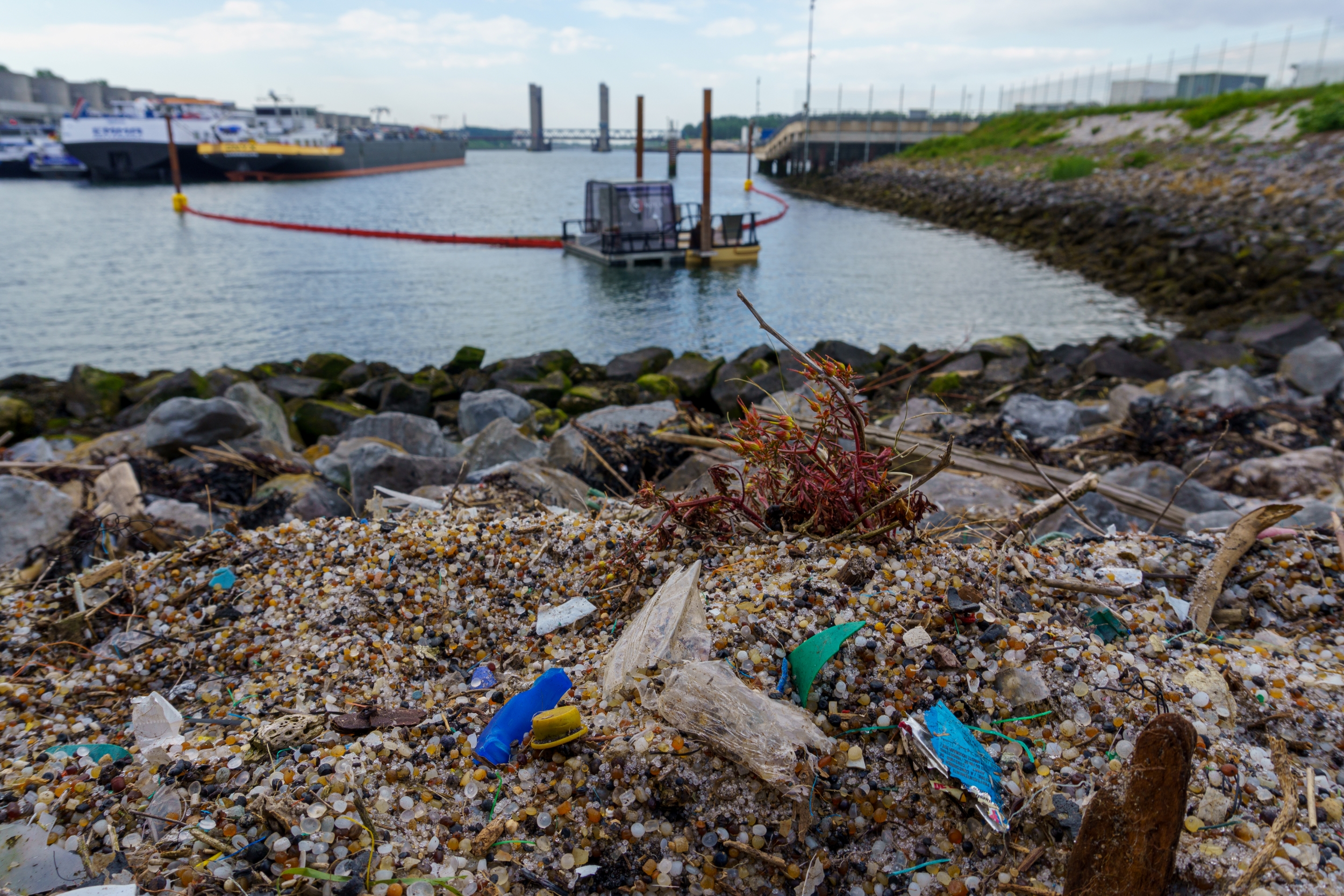
Plastic that enters the environment does not necessarily make its way to the sea via rivers. In fact, only a tiny fraction eventually reaches river mouths. Most plastic remains on land or within river systems.
This is the finding of new research by Wageningen University & Research (WUR) and international partners, covering more than 8,600 European river basins. The Rhine ranks third among Europe's most plastic-polluted rivers, after the Kurbagalı Dere in Türkiye and the Vistula in Poland.
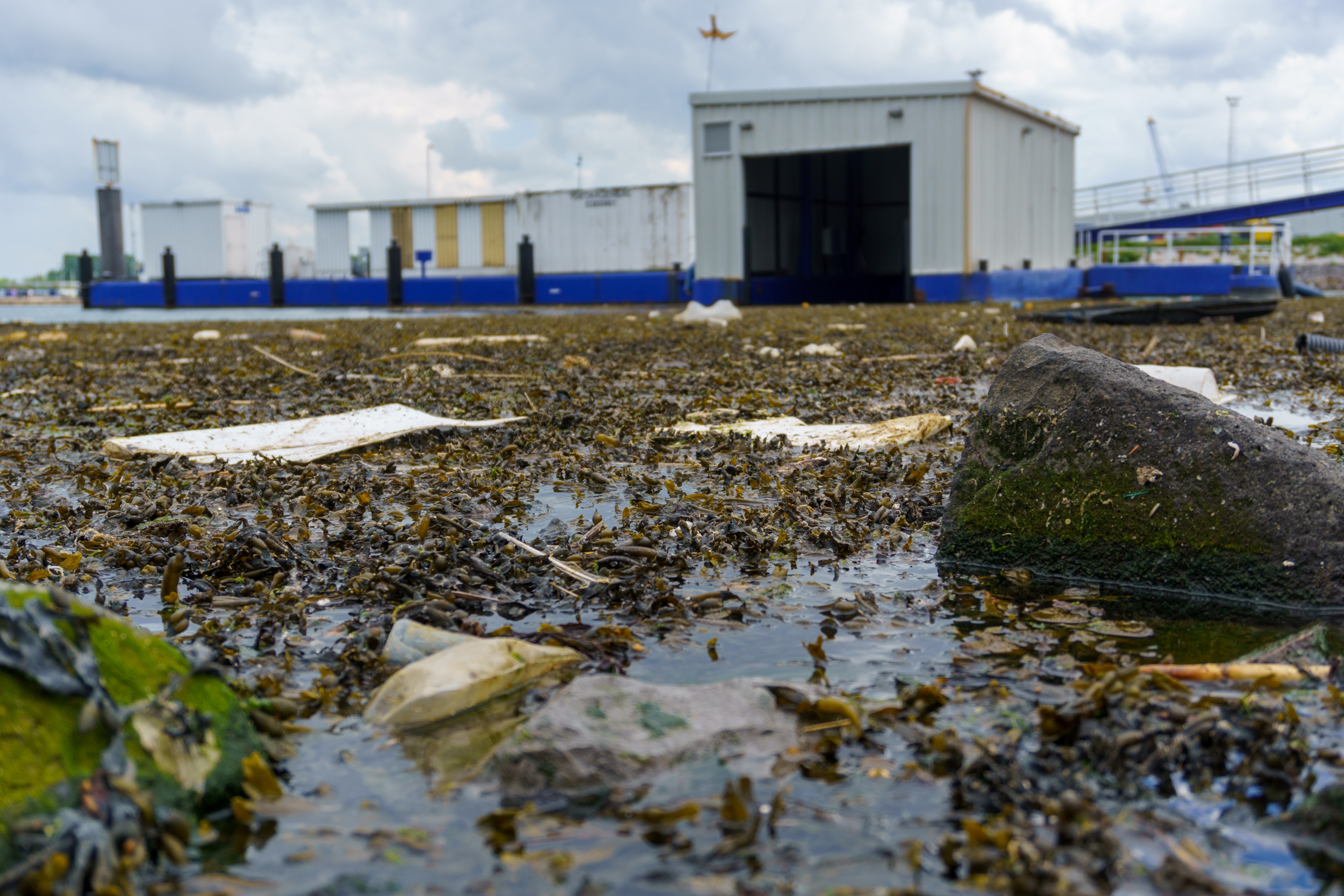
Rivers are often seen as major transport routes for plastic waste to the sea. However, far more plastic is retained along the way than previous models have accounted for. For example, plastic can become trapped along riverbanks, in vegetation or behind dams. Much of it never even reaches a river, as it remains on land.
To better understand where plastic ends up, the researchers developed a new model that calculates not only how much plastic reaches river mouths, but also how much remains on land and within river systems. They distinguished between microplastics (smaller than 5 millimetres) and larger pieces of plastic.
Only a fraction reaches the sea
The findings are striking. Of the estimated 3.55 million tonnes of plastic that entered the European environment in 2015, the reference year used in the model, more than 93% remained on land and never entered rivers. Another 6% was retained within rivers, along riverbanks or in sediments. Only 0.6%, approximately 20,000 tonnes, reached river mouths.
Mattias Bossaer
Rhine ranks among Europe's top three
The study provides a new ranking of European rivers based on the total amount of plastic retained within their river systems.
According to these calculations, the Rhine ranks third, after the Kurbagalı Dere in Türkiye and the Vistula in Poland. The amount of microplastics retained in the Rhine is particularly striking. In fact, the Rhine ranks first among all the rivers studied in terms of microplastic retention.
Smaller rivers also play an important role
Plastic pollution is not limited to major rivers. Of the 8,671 river systems studied, just 141 accounted for 80% of the total microplastic pollution (1-5,000 μm, or smaller than 5 mm). For larger pieces of plastic (macroplastics of 5 mm and above), 239 river systems accounted for the same proportion.
The researchers also found that small river basins near the coast contained relatively large amounts of plastic. This was particularly the case where sources of plastic pollution were located close to river mouths. According to the researchers, this highlights the importance of detailed models that also include smaller rivers.
Mattias Bossaer
New insights for tackling plastic pollution
'Rivers are more than just highways carrying plastic to the sea. It is time to shift our focus to the plastic that remains trapped within our river systems', says lead author Miranda Stibora.
The new model offers valuable insights into how plastic pollution can be tackled more effectively. By providing a more complete picture of where plastic ends up, it helps identify where measures to prevent or remove plastic pollution could have the greatest impact.
The researchers emphasise that the calculations are based on data from 2015. The model also does not yet account for the accumulation of plastic over multiple years or the effects of flooding and tidal movements. Both the research data and the model are publicly available, allowing future studies to build on these findings using more recent data.
The study, 'River Plastic Retention and Export across Europe', was published in Environmental Science & Technology.


