
The Federation of Trade Unions of the Republic of Kazakhstan (FPRK) and the Sectoral Trade Union of Coal Miners "Kazugleprof" have adopted a new joint strategy aimed at strengthening OSH in the coal mining sector, including through advocacy for the ratification of the ILO Safety and Health in Mines Convention, 1995 (No. 176) and reinforced implementation of the ILO Labour Inspection Convention, 1947 (No. 81).

© Federation of Trade Unions of the Republic of Kazakhstan
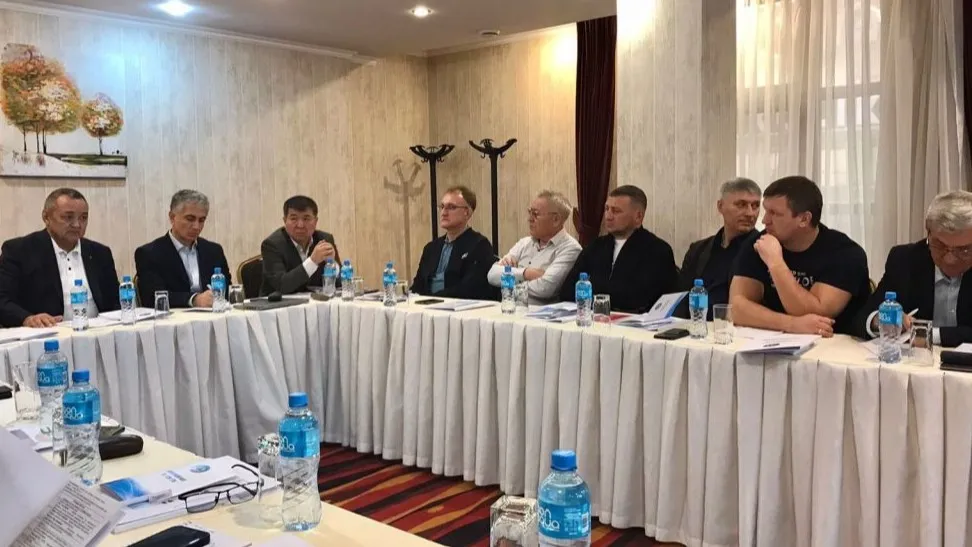
This milestone was achieved during a two-day workshop held on 5-6 November 2025 in Almaty, organized by the ILO Bureau for Workers' Activities (ACTRAV) in close cooperation with FPRK and Kazugleprof. The workshop forms an integral part of the ILO RBSA-funded initiative "Promoting occupational safety and health through social dialogue in the mining sector in Kazakhstan," which has supported a series of technical engagements and capacity-building workshops throughout 2025.
Participants included trade union leaders, OSH representatives and activists from major mining regions across Kazakhstan - Karaganda, Ekibastuz and Aktobe - providing a broad and representative miners' perspective to the discussions.
Strengthening safety and social dialogue in a high-risk sector
Kazakhstan's coal sector remains one of the highest-risk industries in the country. Trade unions, workers and employers have reiterated the urgent need to improve national OSH systems, strengthen labour inspection and enhance preventive measures that protect workers' lives and health.
Opening the seminar, the FPRK First Deputy Chairman Mukhtar Tinikeev emphasized the importance of active participation by trade unions in regulatory work, focusing on specific issues of concern to miners. He also spoke in detail about the work being done by the FPRK to ensure safe working conditions.
© Federation of Trade Unions of the Republic of Kazakhstan
Marat Imash, Chief Technical Inspector of the FPRK, gave a presentation on the reports "The role and activities of trade unions in ensuring occupational safety and health in the mining sector of Kazakhstan" and "The impact of psychosocial harmful production factors on workers".
The Almaty workshop built on progress made during ILO-supported trainings held earlier in 2025. It provided a platform for deepening dialogue among national, sectoral and enterprise-level unions and reviewing advances achieved since previous ILO interventions.
"Improving miners' safety requires strong social dialogue, empowered workers' representatives and institutions that can protect workers effectively," Gocha Aleksandria, Senior Specialist in Workers' Activities at the ILO Office for Eastern Europe and Central Asia, underlined during the opening session. "This strategy reflects a shared commitment to safer and healthier workplaces in Kazakhstan's mining sector."
A joint strategy grounded in international labour standards
The Joint Strategy of the FPRK and Kazugleprof sets out a coordinated approach to advancing safe and healthy working environments in the coal mining sector. Its core objective is to secure the ratification of ILO Convention No. 176 by the end of 2026 and support its effective application across mining enterprises, combined with measures to enhance compliance with ILO Convention No. 81.
Key components of the Strategy include:
- establishing a unified trade union advocacy platform;
- developing expert justification for legislative and institutional reforms based on ILO analyses;
- strengthening engagement with Parliament, relevant ministries, labour inspectorates and employers;
- launching worker-focused and public information campaigns;
- mobilizing workers in support of OSH reforms;
- reinforcing international cooperation with the ILO and global trade union organizations.
The Strategy also outlines a detailed implementation timeline through 2027, combining advocacy, legislative dialogue, capacity-building and enterprise-level monitoring.
Progress and renewed commitment
Throughout the workshop, participants from Karaganda, Ekibastuz and Aktobe shared insights on workplace risks, labour inspection challenges and good practices emerging from their mines. Discussions highlighted tangible progress made by the Miners' Trade Union since earlier ILO engagements, including:
- strengthened OSH structures within the union;
- increased participation in workplace OSH committees;
- improved union capacity to monitor safety and raise concerns;
- stronger membership engagement and advocacy readiness.
These advances illustrate how sustained work under the RBSA initiative has contributed to building a more proactive OSH culture within the trade union movement.
Tripartite engagement and next steps
Participants jointly identified priority advocacy tools, institutional entry points and communication channels to support national OSH reforms in 2025-2026. The Strategy will guide coordinated union action to engage with legislators, state authorities, employers' associations and civil society, reinforcing the role of social dialogue in shaping safer mining practices.
The ILO will continue supporting the implementation of this Strategy through technical guidance, advisory services, and facilitation of social dialogue, in line with its mandate to advance international labour standards and improve OSH governance.
Moving forward
By adopting this joint strategy, FPRK and Kazugleprof have reaffirmed their commitment to promoting safe and healthy working conditions for miners and strengthening Kazakhstan's alignment with international labour standards. The ILO welcomes this progress and remains committed to supporting workers, employers and government institutions in building a safer and more just mining sector.


