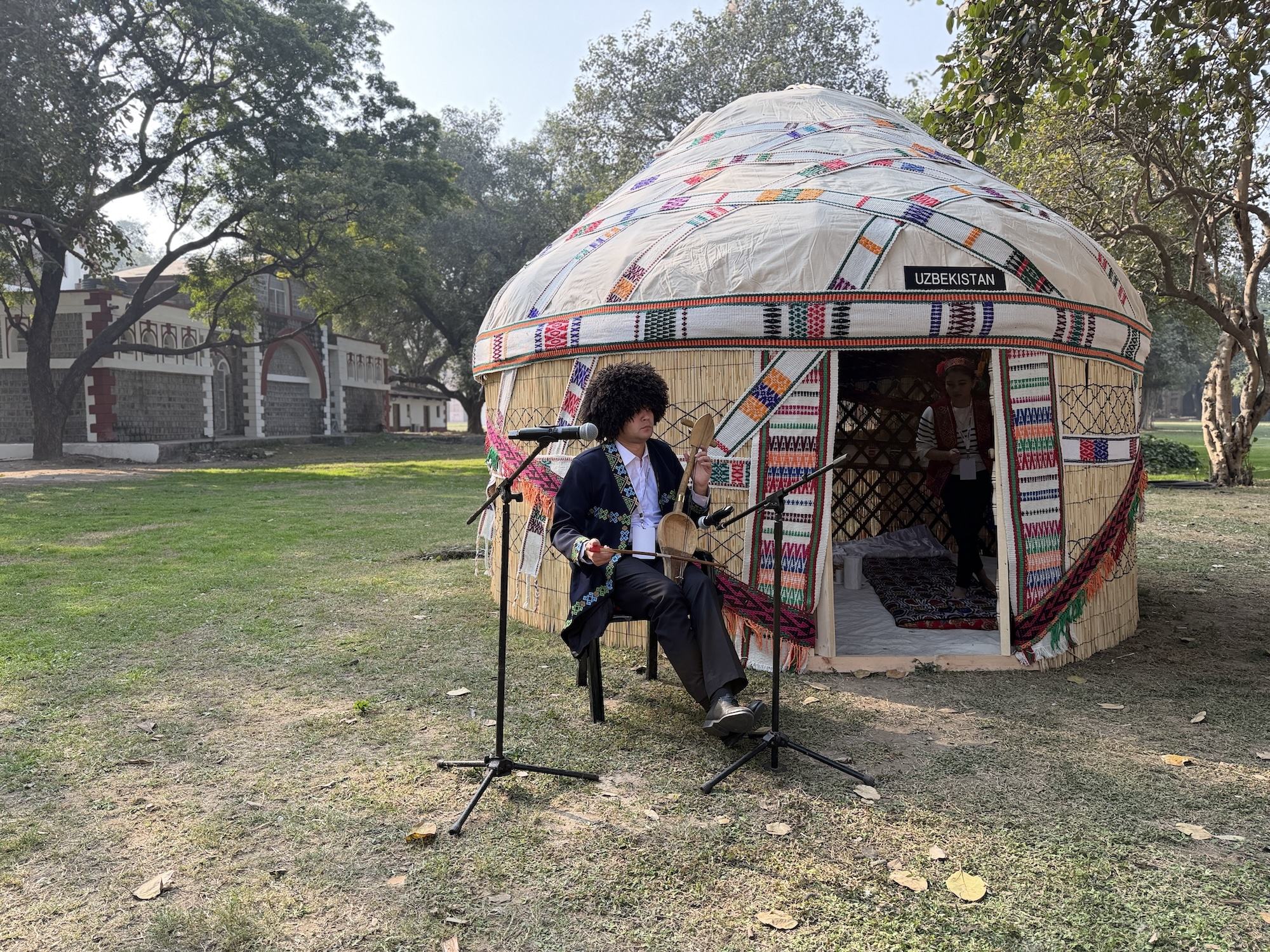
Drums and celebration filled a hall in New Delhi, India, as communities from across the world saw their traditions recognised, from Panama's Quincha homes built by collective hands, to Yemen's Hadrami Dan gatherings where poetry and music are created in the moment.
UNESCO 's Intangible Cultural Heritage programme focuses on keeping alive the practices, knowledge, and expressions that communities recognize as part of their cultural identity.
The largest-ever round of inscriptions has just concluded and the message was clear: living heritage survives when it is valued, practised, and passed on.
Years of quiet work
Inside the hall in New Delhi, applause rolled like a wave as delegates leaned forward in their seats. Somewhere between relief and celebration, a few people smiled at each other knowingly - the kind of smile that comes after years of quiet work finally finds recognition.
For communities from Yemen to Chile, from Ukraine to Panama, this was not just another meeting. It was a moment when songs, rituals, crafts and ways of life, often practised far from global spotlights, were spoken aloud on a world stage.
"This year has been extraordinary," said Tim Curtis, UNESCO's regional director in New Delhi. "We've just completed the largest number of inscriptions ever; 67 elements from 78 countries."
Houses built by hand, collective singing
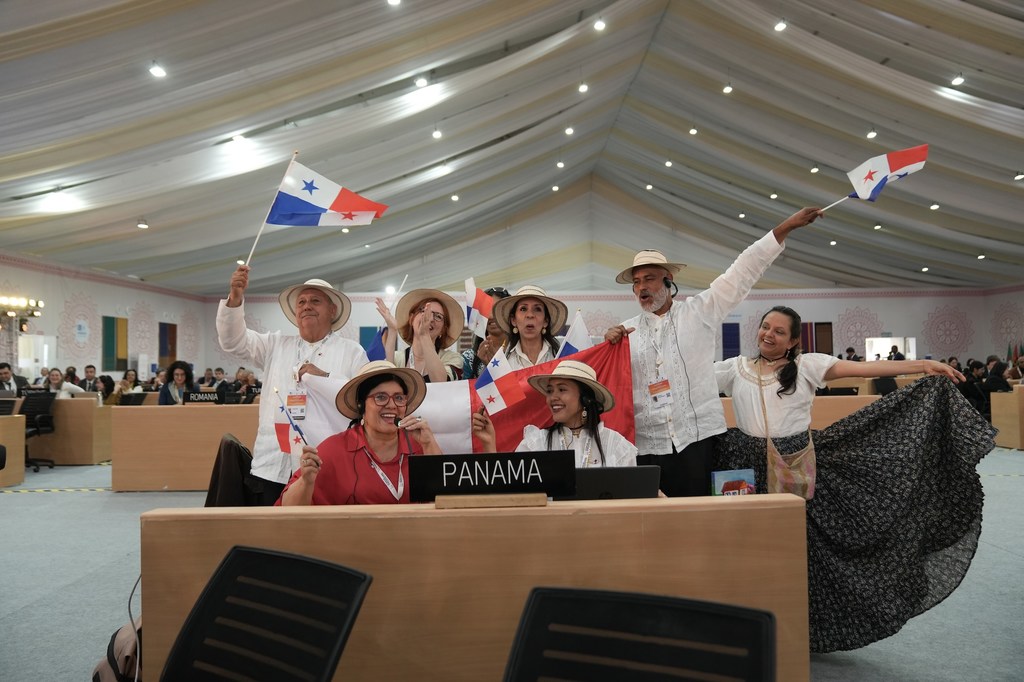
Irina Ruiz Figueroa, from Panama, has promoted quincha houses, structures built collectively from natural materials, using knowledge passed down through generations.
"These houses are not just buildings," she said. "They are made by communities, with women and young people working side by side. Safeguarding this practice means making sure our communities themselves remain strong."
Across the hall, joy travelled fast among the Yemeni delegation. Mohammed Jumeh, Yemen's Ambassador to UNESCO, had just received news that the Hadrami Dan, a living tradition of music, poetry and gathering, had been inscribed.
"In a time when people expect only bad news from Yemen," he said, "this recognition has brought happiness. Phones have not stopped ringing. People feel seen."
For Tim Curtis, these moments capture the essence of what UNESCO calls intangible cultural or living heritage.
"It's not about monuments or buildings," he explained. "It's about what people do. How they celebrate. How they express identity."
He stressed that living heritage should not be frozen: it is passed down through generations, while continuing to adapt and stay meaningful for people today.
Pride, resilience, and survival
For Oleksandr Butsenko, a cultural expert from Ukraine, safeguarding heritage has taken on a deeper urgency.
"War has made communities realise how vital this is," he said. "We've added more than 80 elements to our national register in the last three years. People understand that heritage gives resilience, a sense of identity when everything else feels uncertain."
That sense of belonging echoed in many conversations.
Doreen Ruth Amule, from Uganda described intangible cultural heritage as something that "speaks directly to the human heart."
"It's about spirituality, environment, music, behaviour - what makes us feel human and connected," she said. "The process itself strengthens communities.
When recognition changes the future
Recognition, UNESCO's Tim Curtis noted, is not just symbolic.
"When an element is inscribed," he said, "it gives pride and visibility. For some practices, it also unlocks support - funding, education programmes, and renewed interest from young people."
Chile's Vice Minister for Cultural Heritage, Carolina Pérez Cortés, saw that impact firsthand with the inscription of the country's family-based traditional circus.
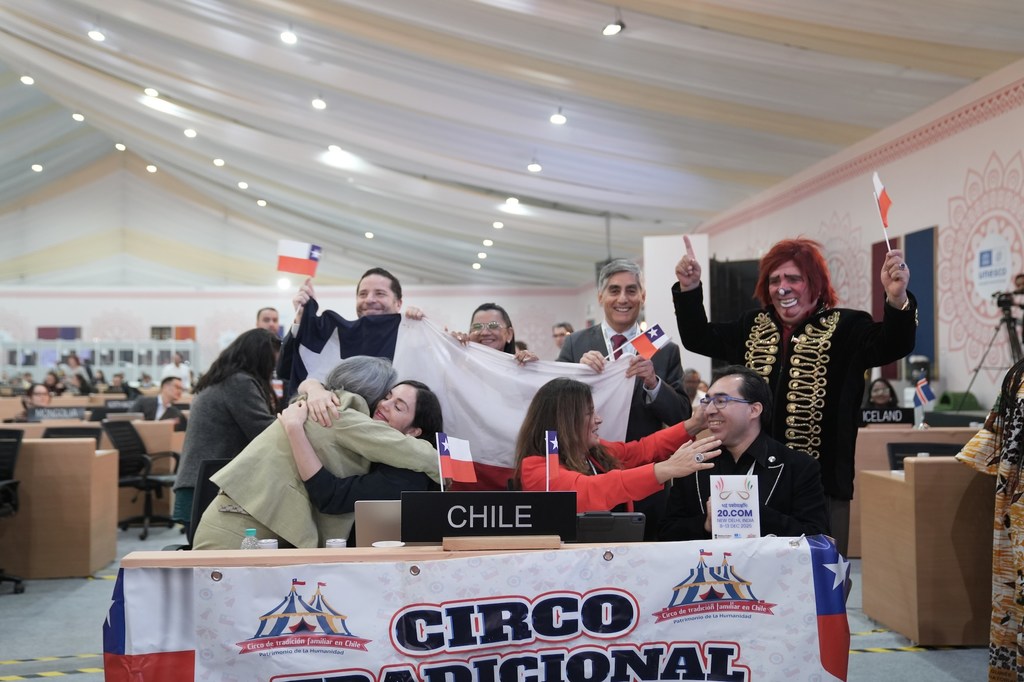
"This practice has existed for over 200 years," she said. "Now it's recognised not just by the State, but by the world. That strengthens our responsibility to support circus families and gives them tools to continue."
Similar hopes surrounded Cyprus's ancient Commandaria winemaking tradition, newly inscribed after 6,000 years of history.
"This recognition can bring young people back to rural areas," said Angela Nicolaou-Konnari, an expert from Cyprus. "It makes heritage sustainable - economically and culturally."
Tim Curtis pointed to this intergenerational link as the real key to safeguarding.
"If young people don't take it forward, heritage disappears in one or two generations," he said. "That's why education and relevance matter so much."
Heritage in a changing world
Urbanisation, migration and climate change loom over many traditions. But Mr. Curtis is clear: Safeguarding cannot be imposed from above.
"These practices must stay under the control of the communities," he said. "Technology can help - social media, digital platforms - but only if the practitioners decide how it's used."
That philosophy is already taking shape on the ground.
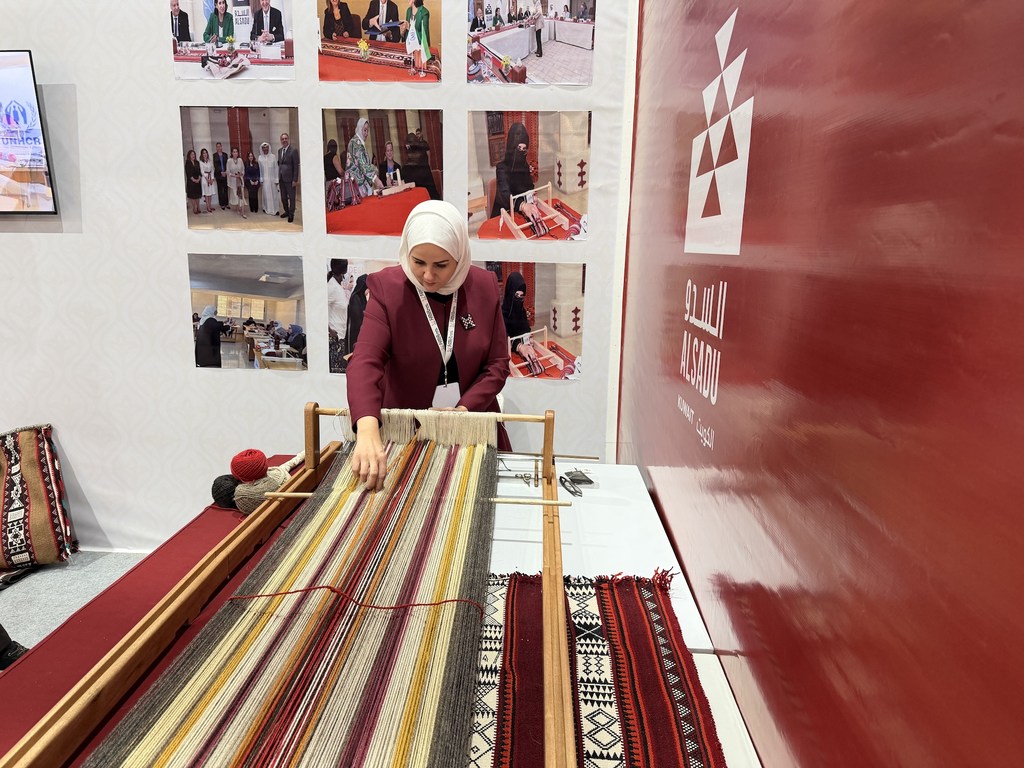
In Kuwait and Egypt, Masirah Alenezi described how traditional Bedouin weaving has become a source of dignity and livelihood for refugee women.
In Norway, basket maker Hege Iren Aasdal spoke about teaching teenagers how to harvest materials from nature before weaving them into everyday objects.
"It's not just about the basket," she said. "It's about knowing your environment."
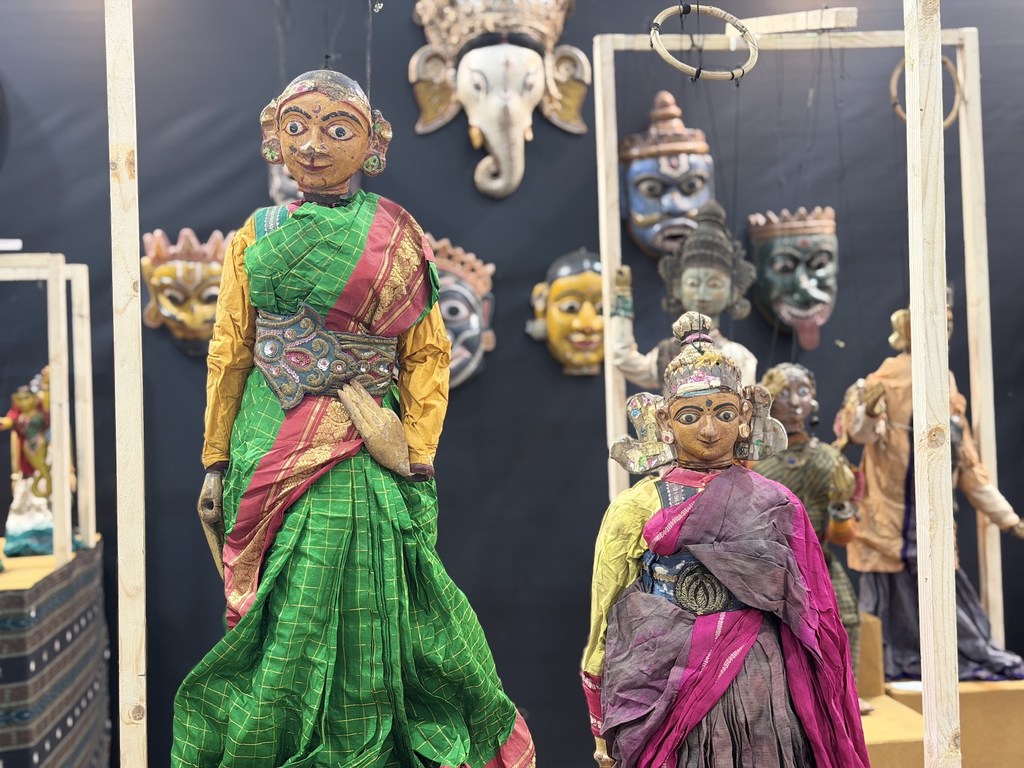
From Indonesian textiles to Indian leather puppetry, the stories converged on one truth: living heritage survives when it is lived, taught, and valued.
A festival of humanity
No moment captured that idea more vividly than the inscription of Diwali. As India's Ambassador to UNESCO Vishal Sharma put it, "Until now, Diwali was a festival of India. From today, it is a festival of all humanity."
"Heritage connects people. Culture is foundational." In Tim Curtis's view, that is precisely why safeguarding matters: "We are human beings because we are cultural beings," he said and in a world of rapid social change, there is a need to deliberately recognise living traditions as worth protecting and worth passing on to children and grandchildren.