
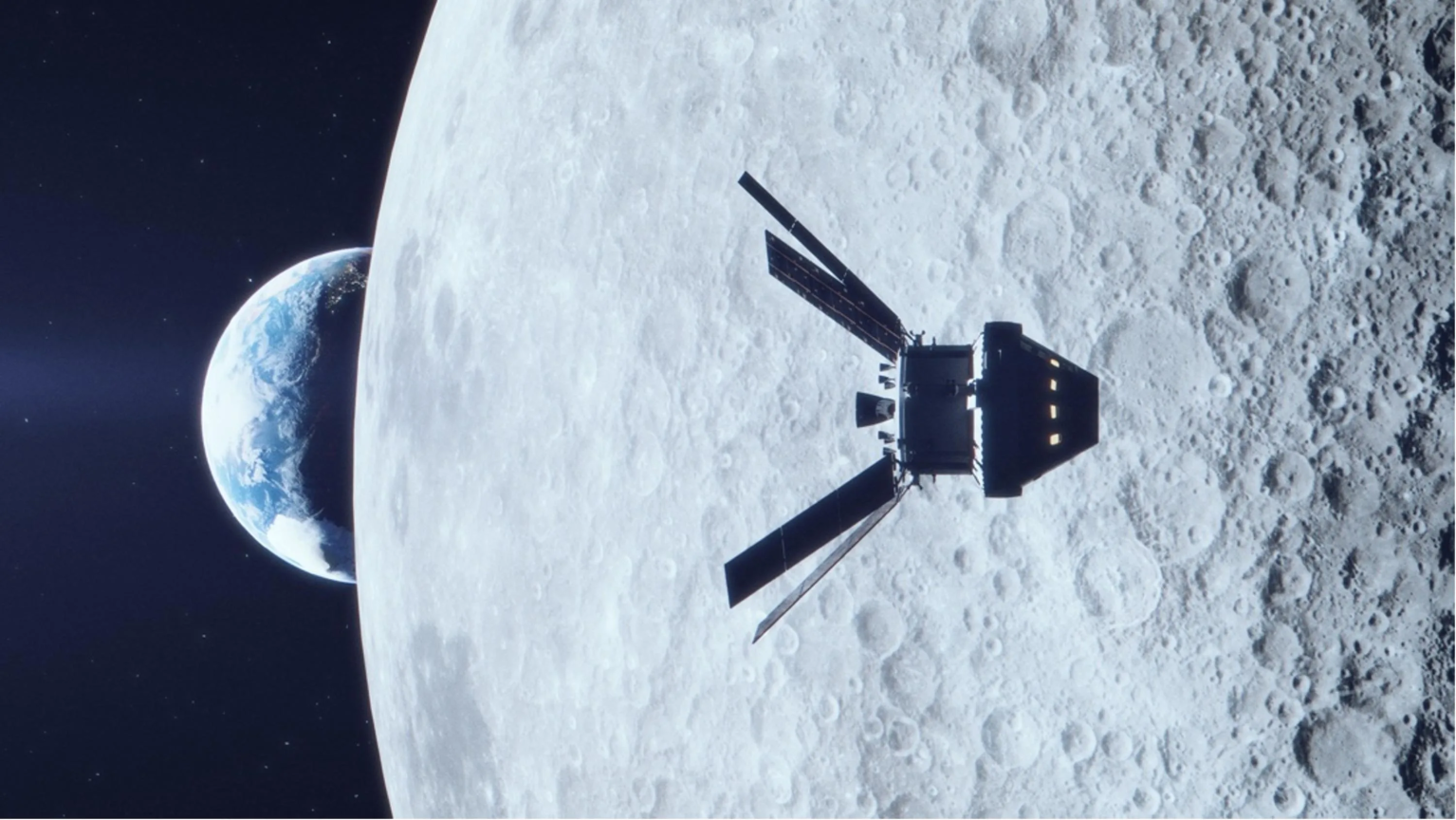
NASA has selected 34 global volunteers to track the Orion spacecraft during the crewed Artemis II mission's journey around the Moon.
The Artemis II test flight will launch NASA's Space Launch System (SLS) rocket, carrying the Orion spacecraft and a crew of four astronauts, on a mission into deep space. The agency's second mission in the Artemis campaign is a key step in NASA's path toward establishing a long-term presence at the Moon and confirming the systems needed to support future lunar surface exploration and paving the way for the first crewed mission to Mars.
While NASA's Near Space Network and Deep Space Network, coordinated by the agency's SCaN (Space Communication and Navigation) program , will provide primary communications and tracking services to support Orion's launch, journey around the Moon, and return to Earth, participants selected from a request for proposals published in August 2025, comprised of established commercial service providers, members of academia, and individual amateur radio enthusiasts will use their respective equipment to passively track radio waves transmitted by Orion during its approximately 10-day journey.
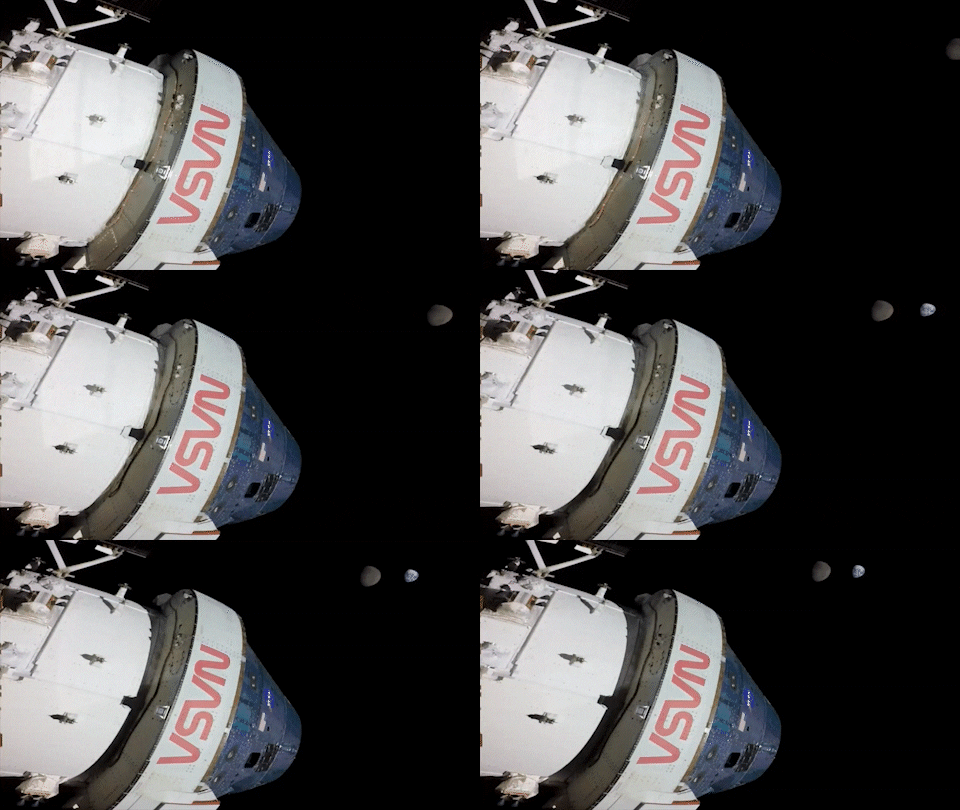
"The Artemis II tracking opportunity is a real step toward SCaN's commercial-first vision. By inviting external organizations to demonstrate their capabilities during a human spaceflight mission, we're strengthening the marketplace we'll rely on as we explore farther into the solar system," said Kevin Coggins, deputy associate administrator for SCaN at NASA Headquarters in Washington. "This isn't about tracking one mission, but about building a resilient, public-private ecosystem that will support the Golden Age of innovation and exploration."


