Integrating nature-based therapies into clinical health care could help to address global declines in mental health, a Griffith University study published in Nature Mental Health has found.
With global rates of stress, anxiety and depression continuing to rise, researchers found the delivery of nature-guided experiences through existing healthcare frameworks would offer a scalable, evidence-based solution.
Lead author Professor Emeritus Ralf Buckley from the School of Environment and Science said the mental health benefits of exposure to nature were well documented, but access remained limited.
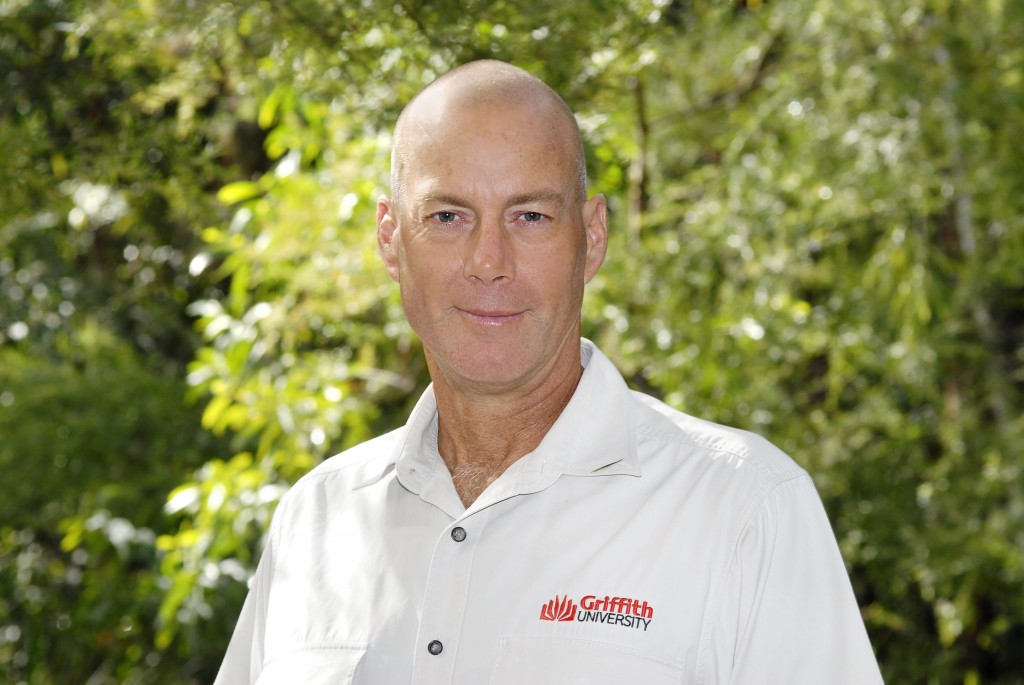
"Nature-based therapies are not currently funded anywhere in the world as a national-scale response to poor mental health," Professor Buckley said.
"For those who could benefit, barriers such as cost, mobility, distance, and psychological challenges often prevent access, and these could be overcome by embedding nature therapy into clinical healthcare.
"Evidence shows one-third of urban residents in developed nations and two-thirds in newly industrialised countries never visit national parks."
Co-author Professor Paula Brough from the Centre for Work, Organisation and Wellbeing said the findings make a case for nature-based clinical mental healthcare to sit alongside existing treatments such as medication and counselling under the banner of occupational therapy.

"Occupational therapy is a well-established allied health profession, supported by current funding and regulatory frameworks, and it could provide a practical pathway for individuals with clinically diagnosed mental health conditions to engage in nature-based therapy," Professor Brough said.
"Evidence shows exposure to nature improves mental health conditions, but nature experiences designed to improve mental health are not yet incorporated in regulated clinical healthcare.
"Nature-based treatment requires multiple hours of exposure on a regular basis, and sessions are typically guided by a therapist or facilitator, conducted in small groups, for several hours each week over a sustained period."
The paper 'Occupational therapy as an allied health avenue for clinical nature-based mental healthcare' has been published in Nature Mental Health.