
The ARC Training Centre for Resource Efficient Alloys in a Circular Economy (circAlloy) has officially launched at Deakin University. The Centre aims to get more value from the materials Australia relies on, while reducing waste and environmental impact.
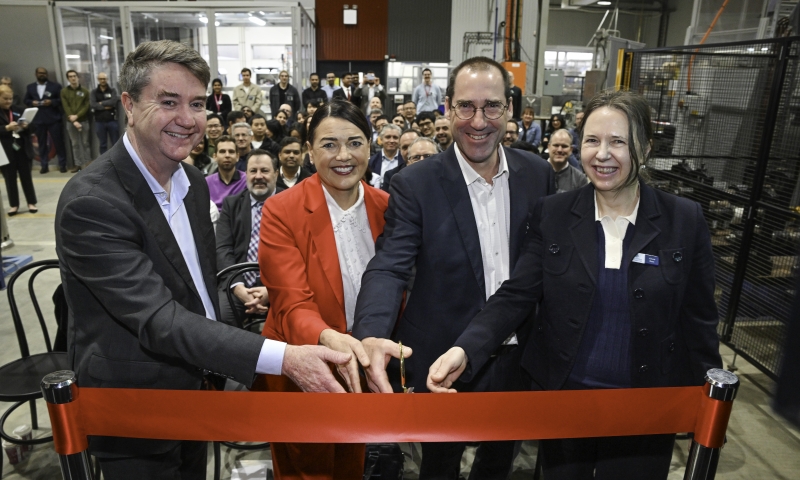
Deakin Distinguished Professor Matthew Clarke, Ms Libby Coker MP, Deakin Distinguished Professor Matt Barnett, and ARC Academic Director Professor Alison Ross at the official launch of circAlloy at Deakin University. Image Credit: Supplied.
Metals are essential to industries such as manufacturing, transport, infrastructure, construction and recycling. As demand grows, there is increasing pressure to use fewer raw materials, reduce energy use and cut emissions.
circAlloy is focused on improving the full lifecycle of alloy materials from design and production through to use, recovery and reuse. Its goal is to create materials that perform strongly while using fewer resources and generating less waste.
This includes developing alloys and processes that use less raw material, require less energy to produce, last longer in service, and are easier to reuse or recycle at the end of their life. Together, these advances are expected to support more efficient production, lower emissions and stronger, more sustainable supply chains across Australian industry.
Early momentum and strong foundations
Although newly launched, circAlloy has already made strong progress.
The Centre has established its branding, website and operating model, with all Chief Investigators in place. It has appointed five research staff and welcomed its first PhD student, marking the start of its training activities.
Research is already underway, with 5 articles published so far. The Centre has also hosted 2 symposiums and welcomed an international academic visitor, helping to build national and international connections.
These early achievements highlight a strong start and position circAlloy as an active contributor in advanced materials research.
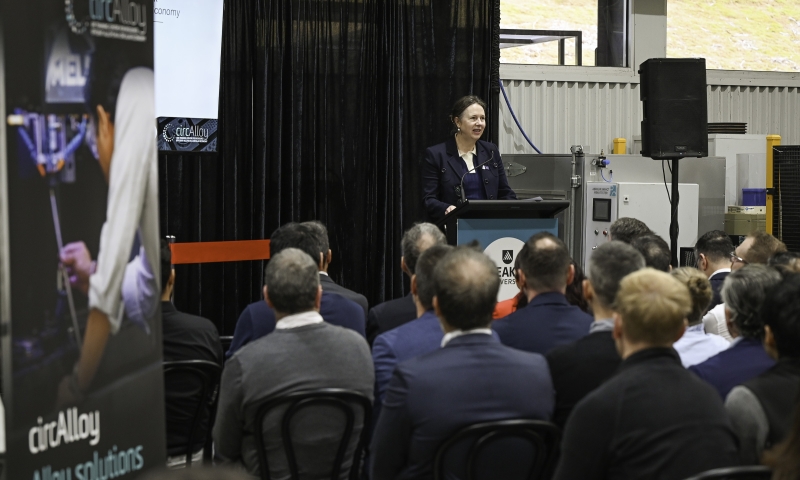
Building capability for Australia's future
In addition to its research, circAlloy is focused on developing people.
The Centre will train industry-ready researchers who understand both materials science and its real-world application. This will help build the skilled workforce needed to support advanced manufacturing and more sustainable production systems in Australia.
While the work is technical, the benefits are practical and relevant to everyday life. Key areas include:
- Using less material without compromising performance - designing alloys that maintain strength and durability with fewer inputs, reducing costs, energy use and waste.
- Extending the life of products and infrastructure - improving durability to reduce maintenance, replacement and material use across sectors.
- Boosting recycling and reuse - making it easier to recover and reuse metals, reducing landfill and increasing the value of materials already in circulation.
Supported by an ARC investment of $4.9 million over five years, the Centre brings researchers and industry together to develop solutions that can be applied in practice for the benefit of all Australians.
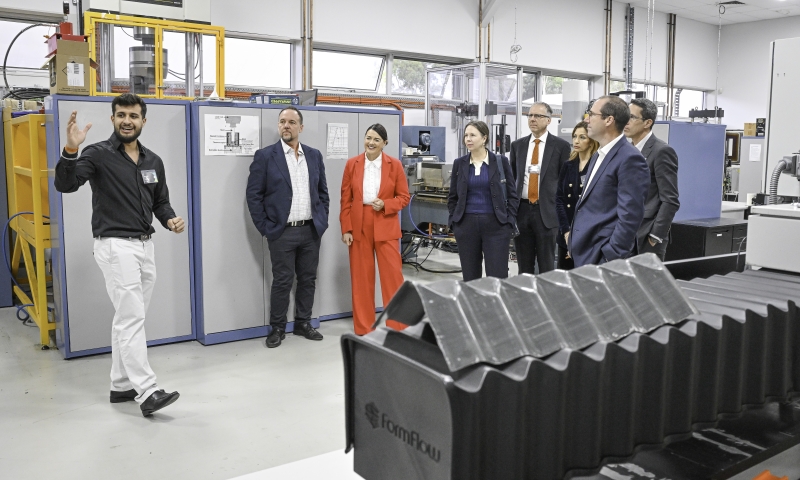
A long-term vision
circAlloy aims to transform how Australia uses metal resources by improving efficiency, extending product life, and increasing reuse and recycling.
This work will support cleaner manufacturing, reduce waste and emissions, strengthen national capability in advanced materials, and deepen collaboration between universities and industry.
As the Centre grows, its impact is expected to extend across research, industry and the broader community, helping Australia move towards a more sustainable and resource-efficient future.


