

A new Aboriginal‑led health initiative on Ngarrindjeri Ruwe (Country) – the Lower River Murray, Lakes and Coorong region – in South Australia has recently concluded a pilot to explore outcomes from a culturally grounded approach to improving type 2 diabetes and metabolic syndrome in Aboriginal communities
Detailed in a new study led by Flinders University and Riverland Mallee Coorong Local Health Network published on BMJ Open, the program, Nra:gi Ya:yun – meaning 'very good foods/very good eating' – is a 28‑week co‑designed low‑carbohydrate remission pilot created with Ngarrindjeri Elders, community members, clinicians and researchers.
The pilot brings cultural knowledge together with clinical science to address what community and researchers describe as an urgent and growing health challenge.
Type 2 diabetes affects 10.7% of Aboriginal and Torres Strait Islander adults, driven by the ongoing impacts of colonisation, disrupted food systems and social determinants of health.

Principal Investigator, Associate Professor Courtney Ryder, says the project emerges from community‑driven conversations.
"Nra:gi Ya:yun responds to that call by honouring lived experience and cultural foundations that guide wellbeing," says Associate Professor Ryder from Flinders Health and Medical Research Institute (FHMRI).
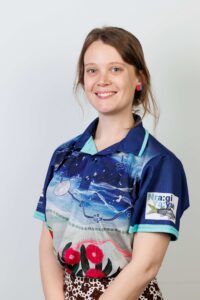
Project coordinator Shanti Omodei‑James, a Research Officer within the Discipline of Trauma and Injury in the College of Medicine and Public Health, says "Nra:gi Ya:yun works to honour the lived experience of its participants and support them along their remission journey".
Ten co‑design workshops shaped the model, with community leaders strongly favouring a low‑carbohydrate approach backed by emerging evidence.
"Low‑carb nutrition can support metabolic improvements but community‑led delivery is the essential ingredient," says Associate Professor Ryder.
Participants progressed through a control period, a 12‑week remission phase and a maintenance phase. Supports included fresh meal boxes, continuous glucose monitoring, yarning sessions and tailored resources. Group yarning provided a culturally safe way to share experiences, build trust and strengthen motivation.
The program intends to build on the positive outcomes from this pilot to create sustainable metabolic changes in community. Two-way learning was paramount as the team of Aboriginal and non-Aboriginal clinicians, researchers and health workers developed relationships of trust, building community research capacity for all.
The pilot will determine feasibility for a larger clinical trial and explore early metabolic and wellbeing outcomes.
The paper, 'Protocol for a non- randomised stepped- wedge pilot trial for 'Nra:gi Ya:yun' (very good foods): a co- designed type 2 diabetes and metabolic syndrome initiative with Aboriginal people living on Ngarrindjeri Ruwe,' by Shanti Omodei-James, Renee Kropinyeri, Stacy Wilson, Darryl Cameron, E Mendham, Natalie Kartinyeri, Talia Scriven, Sharon Wingard, Caitlin Kerrigan, Brooke Spaeth, Stephen N Stranks, Billingsley Kaambwa, Annabelle Wilson, Shahid Ullah, John Denton, Kirstie McLaren, Murthy Mittinty, Lavender Otieno, Pip Henderson, Georga Sallows, Polina Mazonka, Paul Worley and Courtney Ryder was published on BMJ Open. DOI: 10.1136/bmjopen-2025-106319
Acknowledgements: This project is supported by a Medical Research Future Fund grant (208110) and the Australian Teletrial Program South Australia (ATP-SA). Partnerships with the Riverland Mallee Coorong Local Health Network (RMCLHN), Low Carb Keto Health, Thomas Foods, Goolwa PipiCo and Ancient Lakes Magnesium are providing substantial in-kind support. The authors wish to recognise the unceded lands upon which this protocol was conceived, developed and drafted, Ngarrindjeri Ruwe, Kaurna Yerta and Erawirung Country. We acknowledge and pay respects to Aboriginal Elders, past, present and emerging, and recognise the deep connection and collective knowledges held on Ngarrindjeri Ruwe. We acknowledge the invaluable contributions of the late Darryl Cameron, whose passion for achieving health equity for Ngarrindjeri Community was instrumental in the establishment of Nra:gi Ya:yun and continues to shape the study going forward.


