
The University of Nottingham has made changes to its Level 7 Architect Degree Apprenticeship to ensure early-career architects can continue to access a high-quality, practice-based route to professional registration following recent changes to government apprenticeship funding.
To continue to provide a flexible and inclusive route into the architecture profession the university's Architect Degree Apprenticeship programme now allows apprentices to enter straight from their undergraduate programme without the traditional year in practice. The university has introduced revised entry criteria, allowing learners to enter the apprenticeship before they 'age out' of the Level 7 apprenticeship funding under the government's new criteria.
From January 2026, the UK Government withdrew public funding for most learners aged 22 and over on Level 7 apprenticeships. Under the new rules, only apprentices aged 16-21 (or under 25 with care-leaver or EHCP status) remain eligible for funding. This change affects a large proportion of people, 89% of Level 7 architecture apprentices are currently aged 22 or over. At the University of Nottingham, 94% of architect apprentices in the final cohort before funding changes were aged between 22-25.
This is predominantly due to the traditional 'year out' in industry that early-career architects take between undergraduate and post-graduate study as part of their journey to registration.
The changes will allow those that have taken a linear education pathway (and that meet all other eligibility criteria), in most cases, to meet the age criteria and progress directly onto the Architect Degree Apprenticeship. To open up an alternative to learners disadvantaged by the policy shift, the university will also offer an, alternative practice-based, part time master's qualification, for those that don't meet apprenticeship funding criteria.
Practice-based routes align closely with the Architects Registration Board's ongoing reforms, which aim to modernise architectural education and expand flexible, work integrated pathways into the profession.
The University of Nottingham has been one of the top 2 recruiters to the Architect Degree Apprenticeship standard for the past three years. The programme is widely valued by learners and employers alike for offering an affordable route into the profession for a diverse range of young people, with many apprentices achieving national recognition and industry accolades.
While the national policy landscape is changing, our commitment is not. We believe practice-based architectural education is essential for a diverse, innovative and socially representative profession. We will continue to champion these routes and the talented apprentices who choose them.
Graeme continues: "While we recognise the value of the year out in practice, we also see the benefits the apprenticeship brings to the profession in terms of workforce diversity and developing architects able to contribute to practice research while developing their skills in the context of the practice environment. Working with practices to ensure apprentices are fully supported on our revised apprenticeship is of paramount importance, we are committed to ensuring the relationship between the university, practice and apprentice creates an environment that enables apprentices to succeed on this revised route.
"The continuity we can provide is crucial at a time when the profession risks losing one of its most accessible and socially diverse routes to qualification, as many sector leaders have warned."
Apprentices on Nottingham's architect programme have consistently achieved national recognition, performing exceptionally well in practice and contributing meaningfully to the profession while progressing toward registration. Their achievements demonstrate the strength of work-based architectural learning and the value of employer/university collaboration in nurturing highly capable future architects.
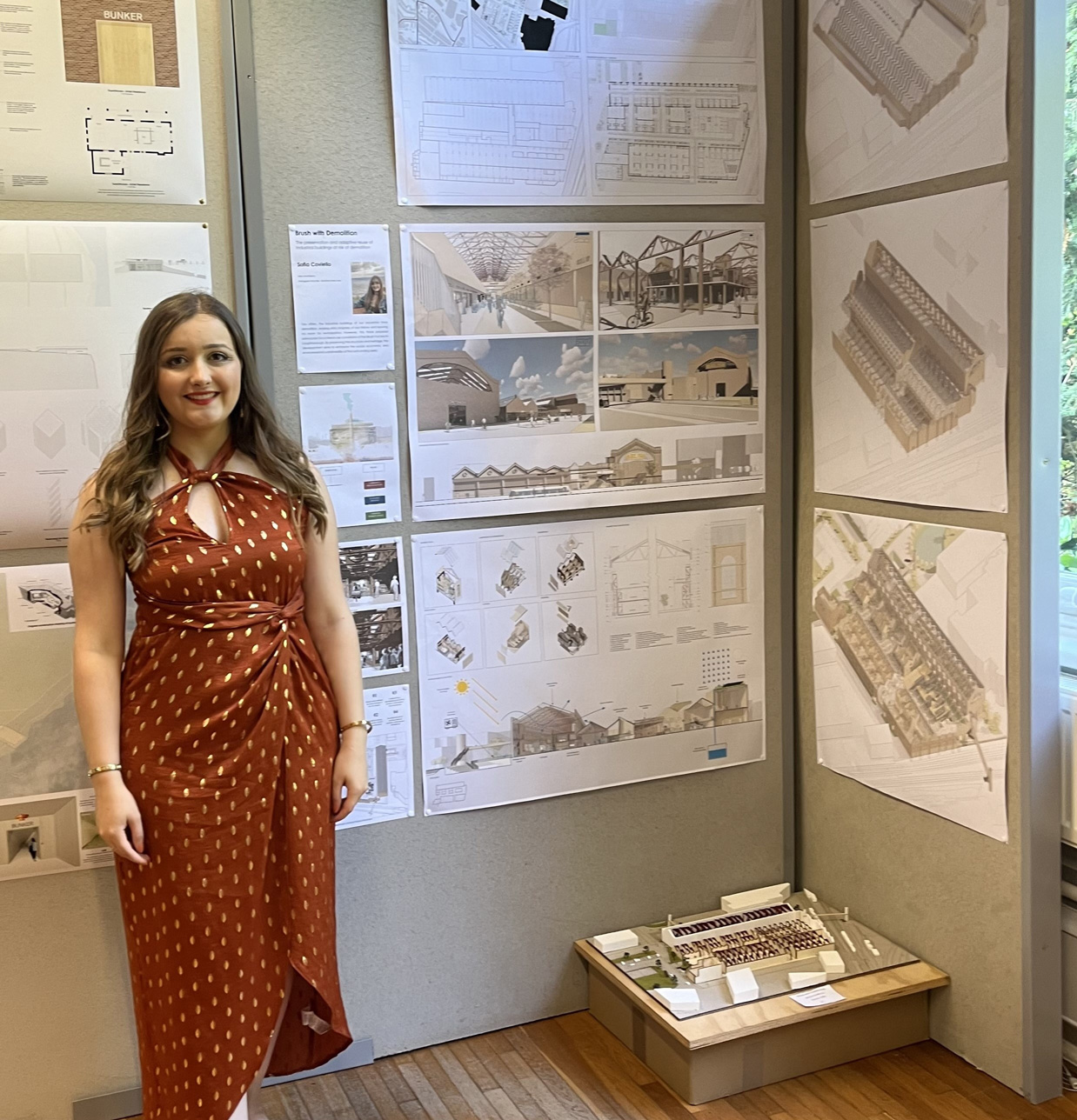
The Level 7 Architect Apprenticeship at the University of Nottingham was an incredibly valuable and positive experience for me. Being able to work in practice while studying allowed me to develop academically and professionally at the same time, strengthening my skills in a real-world context.
This route made architecture more accessible by removing significant financial barriers and opening the profession to people from backgrounds who may otherwise never have had the opportunity to qualify. Over the last four to five years, the apprenticeship has enabled me to grow confidently and quickly within my role at IMA Architects - a progression that simply would not have been possible without this pathway.
I believe that the University's response to the recent changes in Level 7 apprenticeship funding represents an important and necessary step in supporting the future of the profession.


