
The University of Nottingham is part of a team who will deliver a £23 million UK-wide doctoral training programme to develop the next generation of nuclear engineers and support the transition to Net Zero.
Experts from the Faculty of Engineering will help to train 80 Engineering Doctorate researchers after securing funding through the UK Research and Innovation (UKRI) Doctoral Focal Awards Nuclear Skills call.
It is one of seven national doctoral training programmes to share £65.6 million in funding from the Department for Energy Security and Net Zero (DESNZ) and the Ministry of Defence (MoD).
The STAND-UP (Skills and Training driving availability of National Defence Assets UP skilling) programme is led by Strathclyde through its Advanced Nuclear Research Centre (ANRC) and will help strengthen the UK's capabilities in nuclear engineering, advanced manufacturing, digital technologies and nuclear decommissioning. It also brings together partner universities Cumbria, Derby, Lancaster, Nottingham, Birmingham and Surrey.
Through STAND UP, students will undertake doctoral research on extended placements within partner organisations while completing structured professional and technical training.
The government award of £9.7 million is matched by £13.1 million from industry partners, which include AWE Nuclear Security Technologies, Babcock International Group, BAE Systems, Curtiss-Wright and Rolls-Royce. Training and innovation partners include the National Manufacturing Institute Scotland, The Manufacturing Technology Centre, The National Physical Laboratory and HMS Sultan, home to the Marine Engineering Training Group and the Royal Navy Air Engineering and Survival School.
It will also support a PhD to work pathway for 21 industry professionals, enabling employees already working in the sector to undertake part-time doctoral studies while remaining embedded in industry.
The announcement comes in the wake of the Nuclear Skills Plan, launched in May 2024, which recommended quadrupling the number of nuclear fission doctoral students to address the shortage of high-level nuclear skills across both civil and defence and replace an aging workforce.
Professor Charles Macleod, Babcock International Group & Royal Academy of Engineering Chair at the University of Strathclyde and Programme Leader for STAND UP, said: "By bringing together strategic universities, industry and government partners, STAND UP will embed our doctoral researchers, and future sector leaders, in the nuclear industry.
"Working on real-world challenges in areas such as nuclear power, defence technologies and advanced manufacturing, they will help to build much needed nuclear expertise in the UK for the decades ahead, while reducing build and maintenance times by more than 40 per cent."
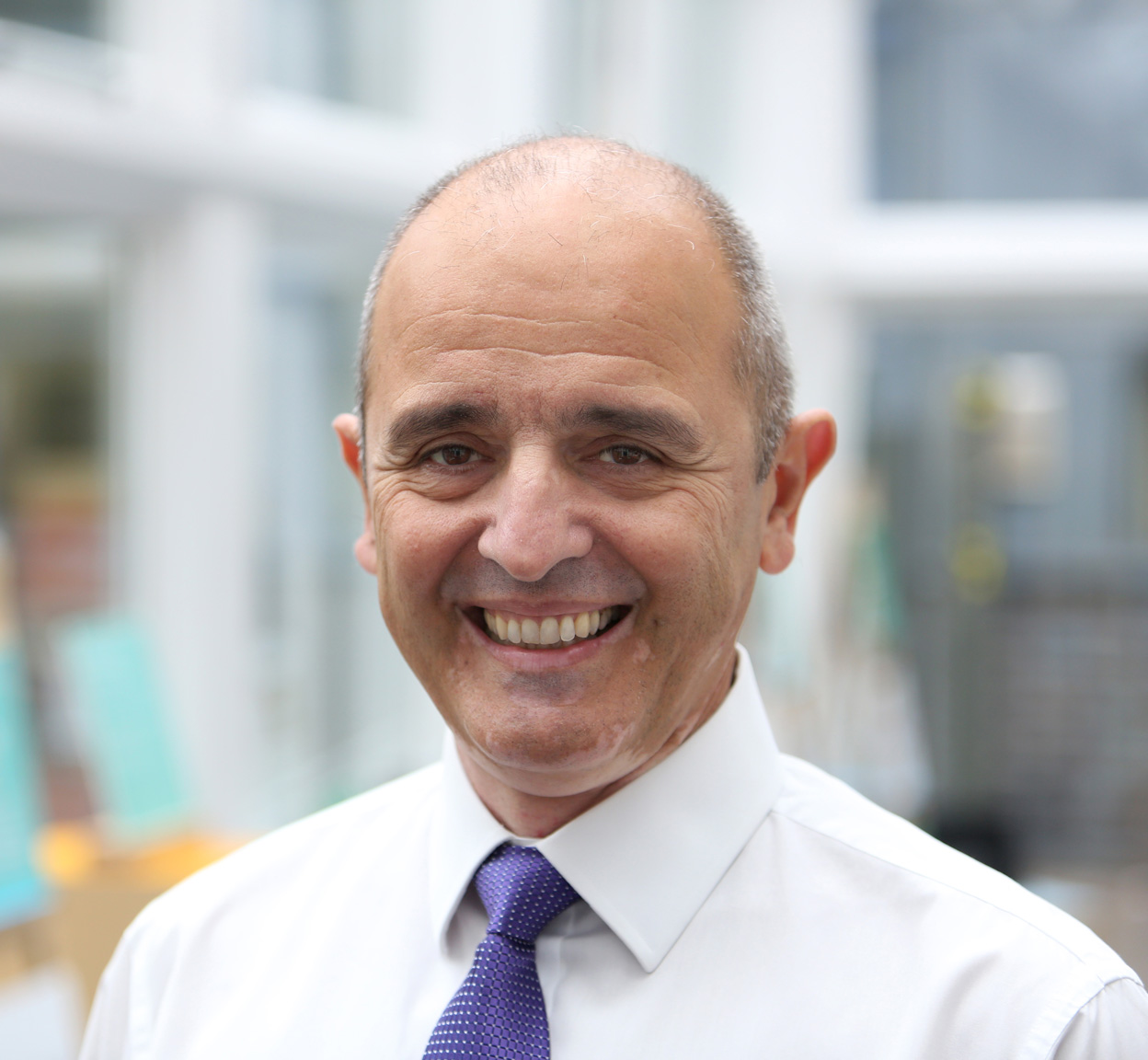
We are very pleased to be part of the STAND UP Doctoral Focal Award, where we lead the activities on robotics and digital manufacturing. Delivered by the Institute for Advanced Manufacturing, our doctoral programme will help develop the experts of the future for the UK nuclear industry. We look forward to working with our academic and industrial partners to developing the unique knowledge and skills to support this strategic sector.
Professor Charlotte Deane, Executive Chair at UKRI's Engineering and Physical Sciences Research Council said: "The UK's nuclear sector is central to our national security, clean energy ambitions and economic future. Meeting those challenges demands a new generation of researchers and innovators with the technical expertise to make a real difference.
"UKRI doctoral focal awards are a proven way to develop that talent. They bring together academic excellence, industry partnerships and cohort-based learning to give doctoral students the skills and experience to make an immediate impact in the nuclear workforce.
These new nuclear focal awards, developed in partnership with government, will continue building the research base that the UK's national security and clean energy future depends on."
The programme will recruit four groups of researchers over the next four years, starting in September 2026.


