
The opening of the Pre-COP31 climate meeting in Nadi, Fiji carried a clear message: the Pacific is not a backdrop for global climate diplomacy. It is where the credibility of that diplomacy will be tested.
The Pre-COP is an important milestone on the road to COP31 in Türkiye, where Australia will take the reins of the climate negotiations in partnership with the Pacific.
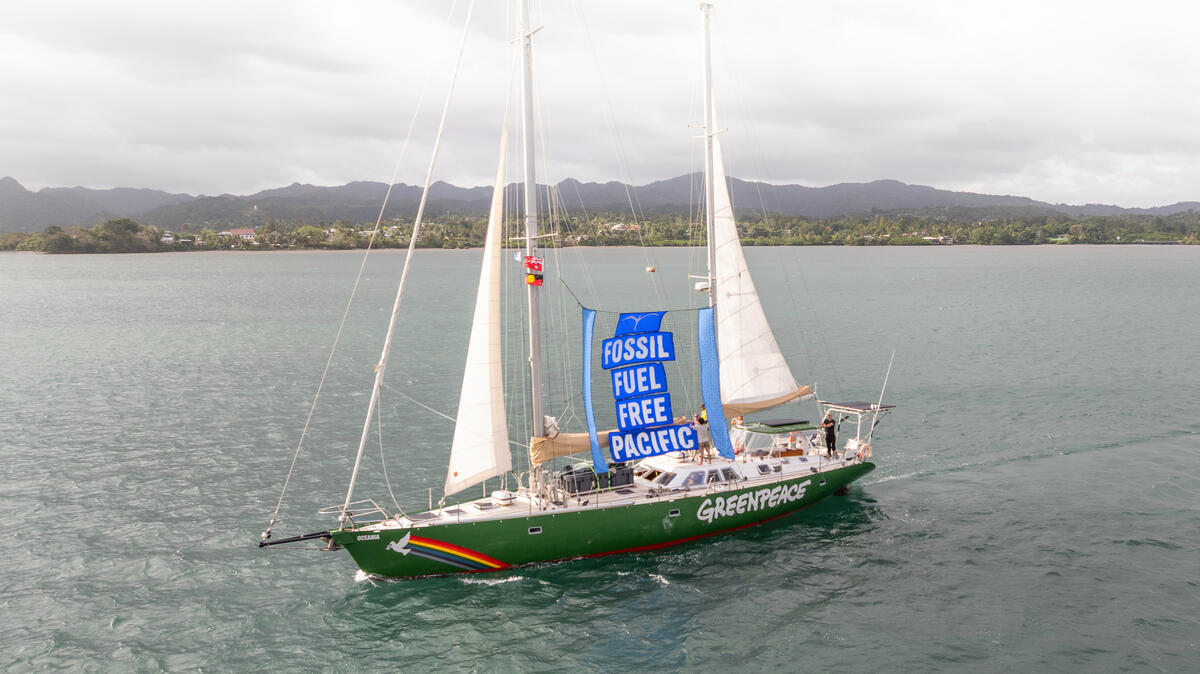
Pacific expectations for COP31 are straightforward: keep 1.5°C within reach, make climate finance accessible to frontline communities, and place the ocean at the heart of the climate agenda. For Pacific youth, 1.5°C is not an abstract target, it is a survival threshold. Their message was equally direct: the Pacific is not a sacrifice zone.
For Pacific communities, 1.5°C is a lifeline and "overshoot" is not a harmless technical scenario in which temperatures rise temporarily before being brought back down. Every fraction of a degree means greater loss and damage, more displacement, and deeper threats to cultures, livelihoods and sovereignty. Asking the Pacific to endure overshoot is asking communities to absorb harm for the continued emissions of polluters.
Australia's Chris Bowen spoke of elevating Pacific voices, accelerating implementation and visiting Tuvalu with global leaders so they can witness what is at stake. These are welcome words. But they also expose Australia's double talk.
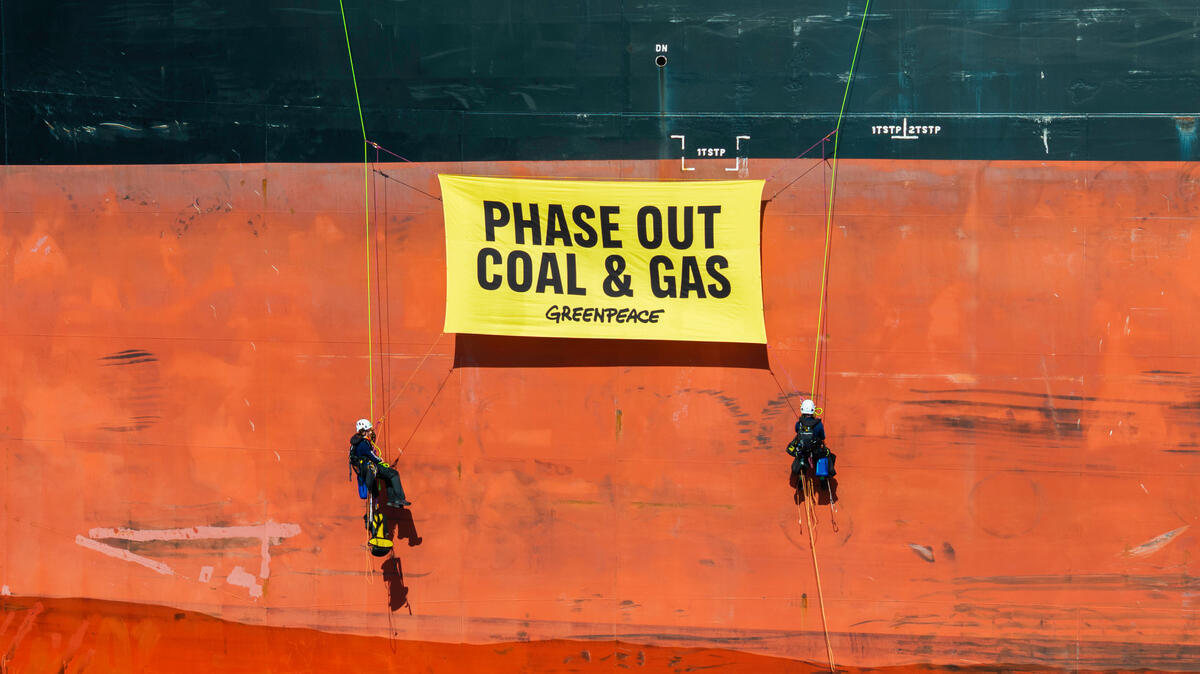
Australia cannot call itself part of the Pacific family while continuing to approve or extend coal and gas projects that intensify the crisis threatening that family. It cannot use Tuvalu's vulnerability to demonstrate climate urgency abroad while defending fossil-fuel expansion at home. Listening to Pacific stories creates a responsibility to act on them, not simply carry them into another conference speech.
COP31 must deliver more than dialogue, consensus and another action agenda. The Electrification target offered by the COP 31 Presidency is welcome, but it must not distract from the central issue: ending the extraction and expansion of fossil fuels. COP31 must establish a credible pathway for a just transition away from coal, oil and gas, one that protects workers and communities, expands access to affordable renewable energy, and supports countries that have contributed least to global warming.
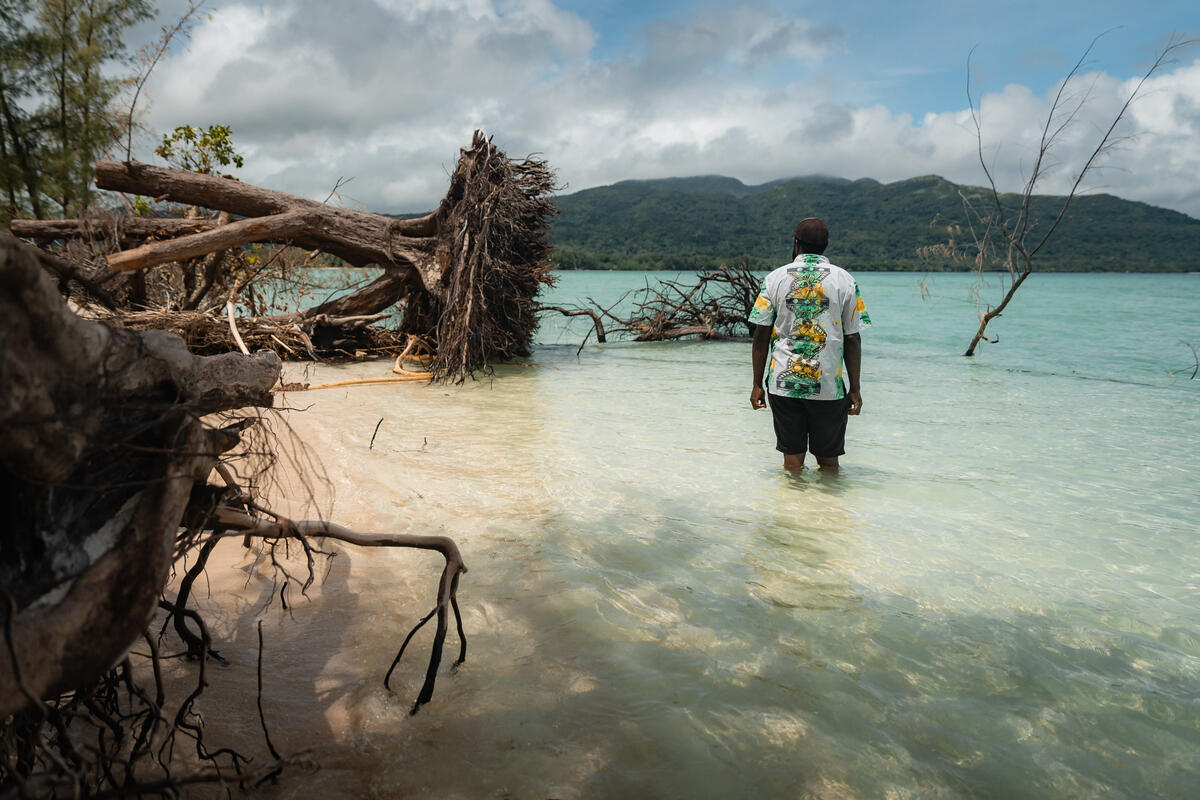
The Pacific has contributed least to climate change, yet it continues to offer leadership, knowledge and solutions on the global stage. What it needs now is not sympathy, symbolism or strategic branding. It needs genuine solidarity expressed through ambitious climate action.
Pacific voices are clear. The question is whether Australia, and the rest of the world, will act accordingly.
Jasper Inventor is the Deputy International Program Director for Greenpeace International - speaking from Nadi, Fiji


