
Following ACIAR-supported training, women farmers in Papua New Guinea's Central Province are incorporating innovative research into practical farming systems outcomes.
Women farmer champions from Hiri-Koiari District, in the Central Province of PNG, are using black soldier fly (BSF) technology to address some persistent challenges faced by smallholder farmers. These include high feed costs, organic waste management and climate pressures on food production.
Through participation in the Entrepreneurial Community Gardening (ECG) program, involving 8 weeks of hands-on training, delivered by the Centre for FutureNau in partnership with Boera Holdings Limited, Friends of Boera and the National Agricultural Research Institute (NARI), 17 women learned the practical skills of BSF farming. This has resulted in improved productivity, reduced operating costs and growing community interest.
Turning innovation into action at household level
For Ms Jamie Solien Lalana, a backyard poultry farmer, BSF technology has been a game changer. After completing the training, she became one of the first participants to rear BSF larvae for poultry feed, producing her own low-cost, nutrient-rich supplement from organic waste.
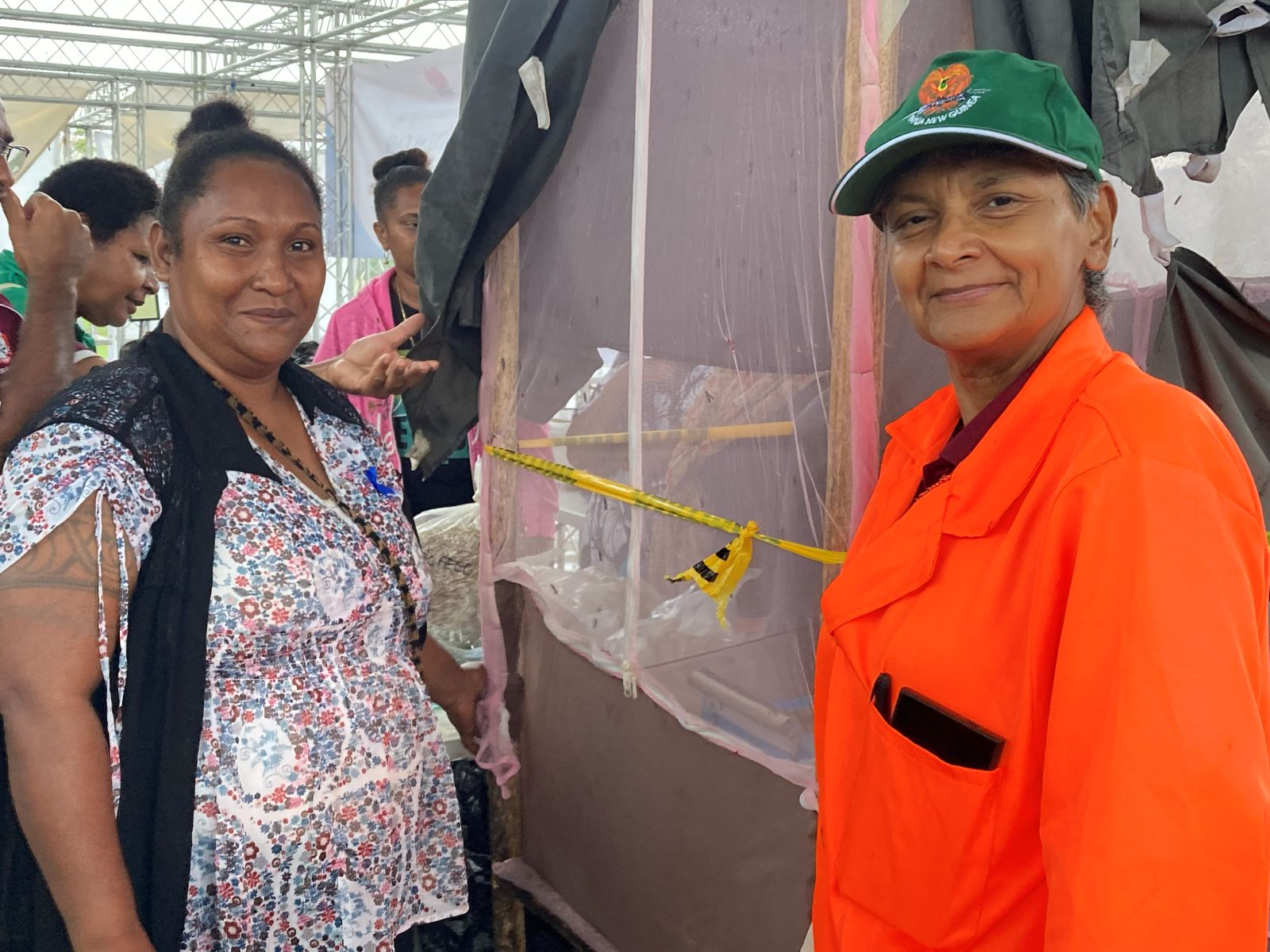
'With the black soldier fly, I have used it for my poultry feed. I have fed my chickens with the BSF larvae and I realised they have grown twice their size, and just within a short amount of time,' said Ms Lalana.
In addition to poultry feed, Ms Lalana also produced frass fertiliser, a by-product of BSF farming, which she applied to her vegetable garden with noticeable improvements in crop growth. With strong family support, she is now developing locally produced stockfeed, attracting interest from others in her community.
Improving yields and inspiring others
Ms Theresa Arua, a pawpaw and poultry farmer, has seen tangible benefits in her vegetable production after applying BSF-based fertiliser, learned through the training. She reported that pak choi grown using the fertiliser matured in four weeks instead of the usual six, with healthier colour and consistency throughout the growing period.
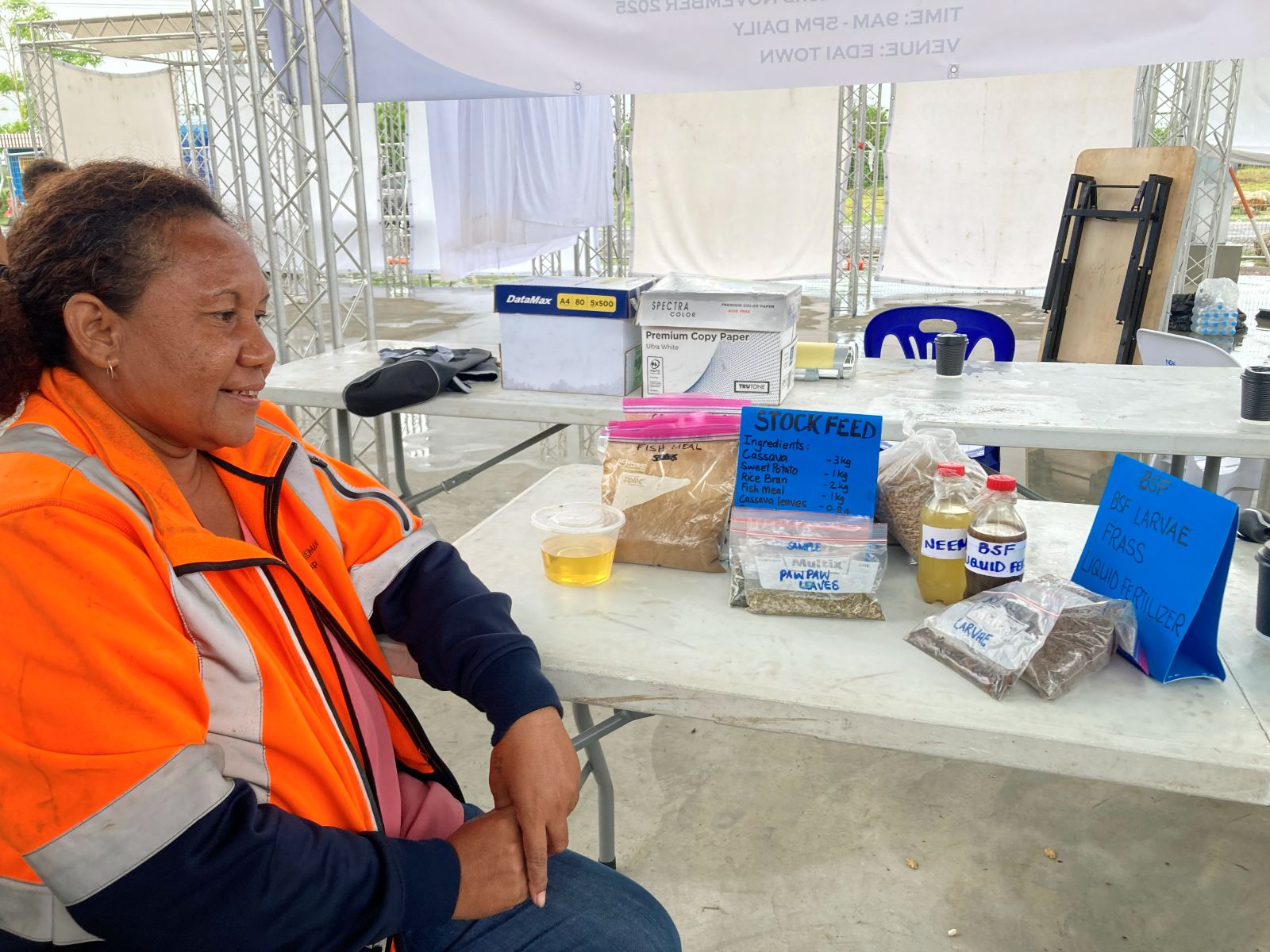
'The cabbages and pak choi were green in colour all throughout their time of growing and the pak choi grew in a shorter time compared to the normal six weeks,' said Ms Arua.
Coming from a small farming household that relies heavily on gardening for income, Ms Arua said the training has opened new possibilities. She is now encouraging young people in her community to get involved in BSF farming, promoting it as a productive alternative to illegal activities and a livelihood opportunity.
Sharing knowledge across communities
For Ms Mary Muru, a farmer and community leader, the impact of the training extends well beyond her own farm. Ms Muru focused on raising awareness of BSF technology across her community.
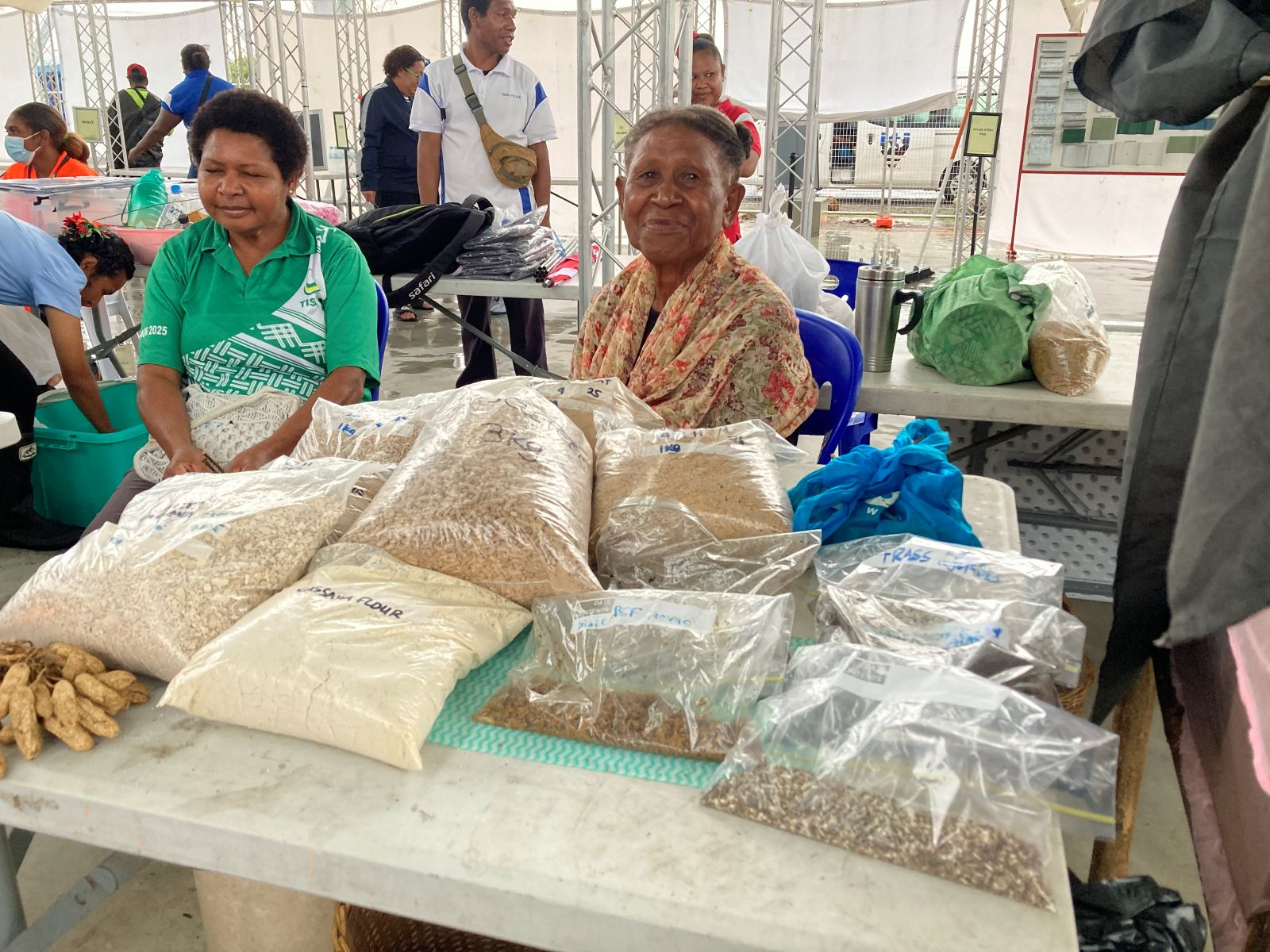
Rather than starting with technical farming concepts, she introduced BSF as a solution to a shared everyday problem: kitchen waste. She sparked strong interest among other women farmers by demonstrating how food scraps could be transformed into valuable livestock feed.
Her locally produced stockfeed, made from cassava, sweet potatoes, fish bone, locally grown rice mixed with BSF larvae, has also attracted attention from a nearby agro-technical secondary school. It is exploring opportunities to trial BSF feed in its school garden as part of technical and vocational training.
Climate-smart solutions for challenging conditions
Mrs Daisy Vani, a poultry farmer from Papa village, has applied BSF technology alongside innovative, water-saving gardening methods to cope with hot and dry conditions. Despite farming for more than a decade, the training introduced her to new ways of using BSF larvae as a sustainable substitute for expensive commercial feed.
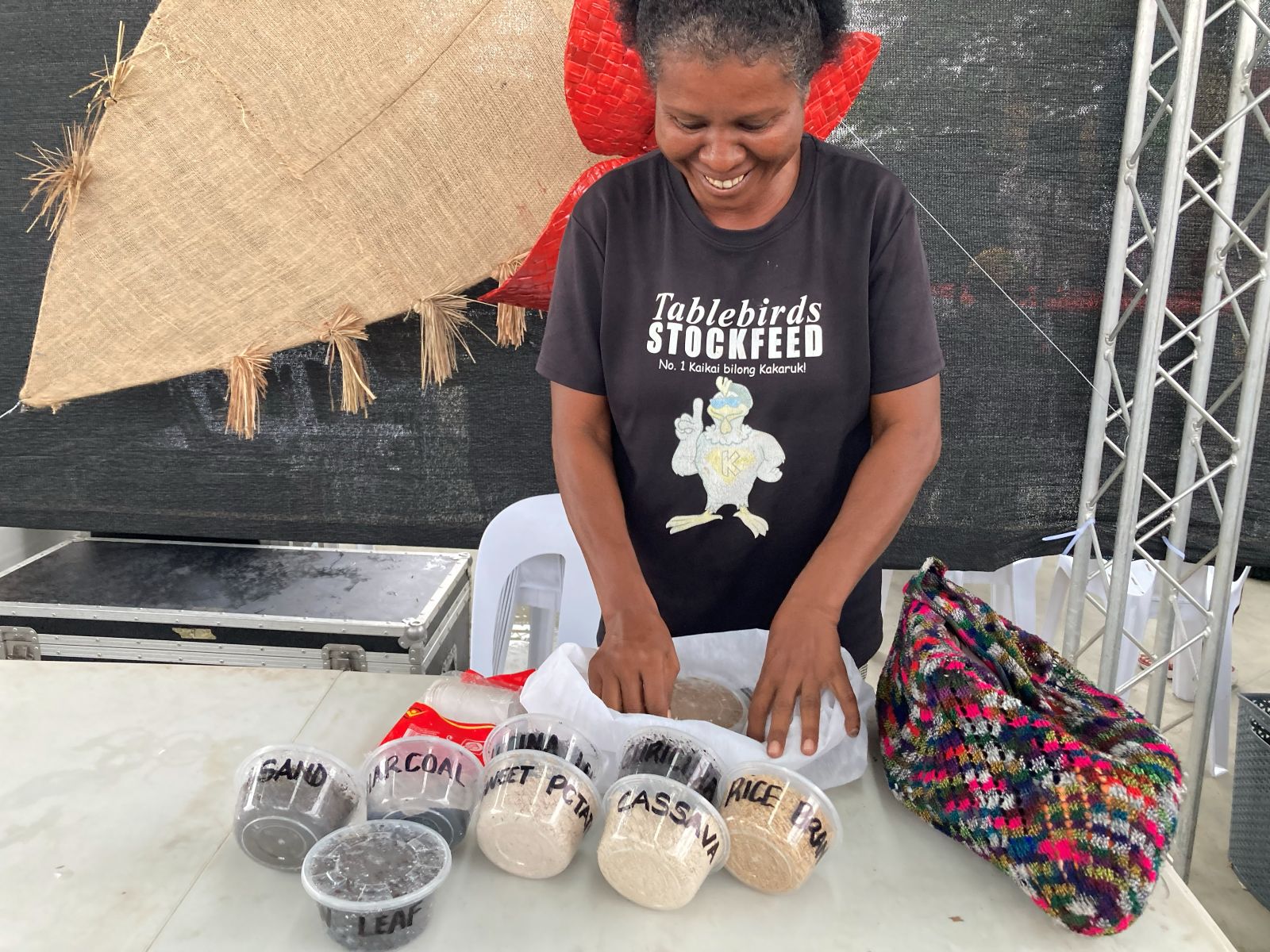
After incorporating BSF larvae as feed for chickens, goats and ducks, Mrs Vani observed positive changes in animal growth and product quality. Customers commented on the improved taste of both chicken meat and eggs, reinforcing the market potential of the BSF larvae as stock feed.
Scaling impact through research partnerships
Through collaboration with NARI and Edai Town, ACIAR-supported BSF research is being adapted into practical, low-cost technologies suitable for local conditions.
Edai Town Director Ms Kym Yong said the training demonstrated how circular economy approaches could deliver real benefits at community level.
'Black soldier flies are present in nature and active in Papua New Guinea. With the right knowledge, they can be harnessed through a very low-cost process by anyone interested in growing fresh produce or rearing livestock, said Ms Yong.
NARI Livestock Scientist and PNG Project Coordinator Mr Arthur Roberts said the outcomes highlight the value of linking research with community-led innovation.
'Looking back at what the trainings have set in motion, and how that knowledge is now being taken into our communities, makes the value of BSF technology very clear. With NARI's partnership with Edai Town and support from ACIAR, we will keep advancing the research while bringing the work to life on-farm, demonstrating practical, everyday uses that farmers can see, test, and learn from in real conditions,' said Mr Roberts.
With continued support from NARI and ACIAR, Edai Town is now one of six BSF demonstration and training facilities in Papua New Guinea, contributing to sustainable livelihoods across the Pacific.


