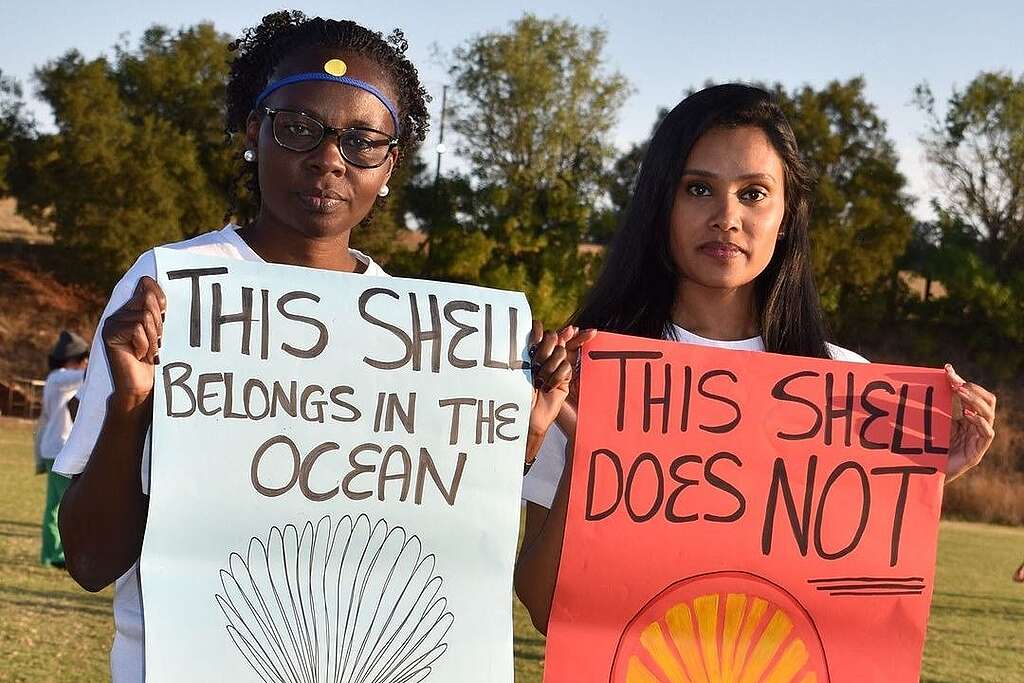
- South Africa's highest court ruled against Shell's Wild Coast oil exploration rights.
- Indigenous and coastal communities celebrate successfully stopping Shell from destroying their environment.
- The Constitutional Court judgment strengthens case for just transition to renewable energy and green jobs.
South Africans celebrated as their Constitutional Court ruled against Shell and Impact Africa's oil exploration plans off the country's Wild Coast. The legal victory demonstrated the importance of people-powered action against destructive neocolonial extractive industries across Africa. The judgement also strengthens the case for African governments to move away from an economic dependence on fossil fuels and towards reliable renewable energy and green employment.
What exactly did the Constitutional Court rule?
On 14 August 2026, South Africa's Constitutional Court permanently halted Shell and Impact Africa's oil and gas exploration off the country's Wild Coast. This brought a years-long legal battle to a decisive end. South Africa's apex court, upheld the 2022 Makhanda High Court finding that the exploration right had been unlawfully granted to Shell. It found that the South African government had not meaningfully consulted affected communities, as per the country's laws. The South African Minister of the Mineral Resources and Energy, who was cited as the Main Respondent, did not provide the requisite stewardship over the process.
The court also set aside the original exploration right and its two renewals, rejecting the Supreme Court of Appeal's 2024 decision to give Shell an opportunity to remedy the original failure through a later consultation process. The court warned that allowing this would mean "financial investment" could outweigh "grave constitutional violations".
For Wild Coast communities, the judgement confirmed that decisions affecting their ocean, livelihoods, culture and environment cannot be separated from their constitutional rights.
How did South Africans react to the judgement?
Wild Coast communities and environmental organisations welcomed the judgment as a historic victory for people whose livelihoods and cultural identities are closely connected to the ocean. Sustaining the Wild Coast's Sinegugu Zukulu said the communities had gone to court "for the future and for future generations", rather than for profit. "For centuries, colonialism and capitalism have enabled a system that ignores the rights of Indigenous People in their own land. At last we have been able to assert the rights of Indigenous People over the profits of global corporations."
At last we have been able to assert the rights of Indigenous People over the profits of global corporations.
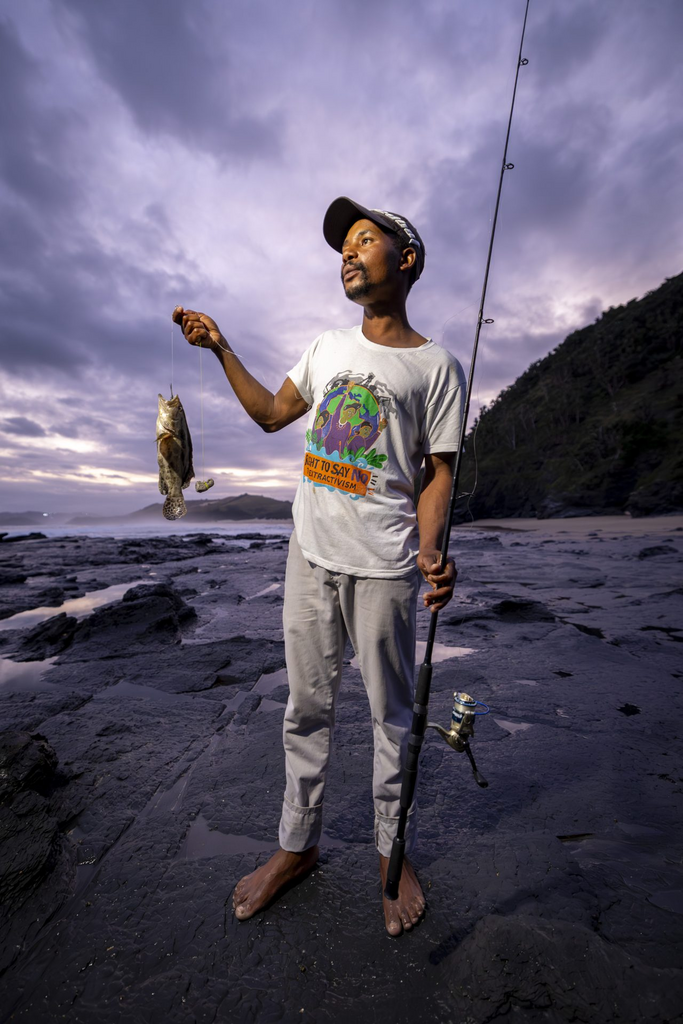
Activists and Wild Coast community members also stressed the importance of collaborating across all factions of society in achieving people-powered impact. Local fisher Sazise Maxwell Pekayo said the communities challenging the government were greatly supported by lawyers and civil society groups, adding: "Amandla! Power to the rights of communities!" Amadiba Crisis Committee activist Nonhle Mbutuma said that true development must come from people deciding their own future. Natural Justice's Delme Cupido said the case demonstrated that public participation is not simply about "ticking boxes", but about putting people's dignity at the centre of decisions that affect their lives, rights and cultural practices.
Why did South Africa's court rule against Shell?
The South African Constitutional Court found the original process granting Shell its exploration license failed to give communities meaningful participation in a decision that could affect their livelihoods, environment, culture and spiritual relationship with the sea. Regarding the failure to consider the relevant communities' spiritual and cultural rights, the High Court found that there was no evidence that the possibility of harm to ancestral beliefs and practices, or any remedial measures to guard against possible harm, were considered by the Minister.
The court rejected an approach that treated these concerns as merely competing against economic development. It emphasised South Africa's history of apartheid, dispossession and marginalisation, explaining that commercial interests cannot automatically be placed on the same footing as constitutionally protected community rights.
The court warned that speculative economic benefits cannot outweigh procedural justice where communities face direct environmental and cultural consequences. As the court put it, "Protection of ecological systems is inseparable from the protection of rights to dignity, culture and livelihood." It also rejected the argument that consultation during a later renewal could cure the original illegality.
What does the Shell Wild Coast court judgement mean for local South African communities?
Beyond stopping Shell's exploration, the judgment establishes a significant precedent for communities facing extractive projects along South Africa's coastline. The court made clear that corporations cannot rely on financial investment to overcome failures to respect constitutional rights.
Legal Resources Centre's Kimal Harvey said the judgment confirmed that "no decisions about our land or resources can be made without us", while Natural Justice's Melissa Groenink-Groves described it as a victory for coastal communities, constitutional democracy and judicial accountability.
"People and their constitutional rights come before corporate profits.
The court also referred to the 2025 International Court of Justice advisory opinion on climate change, emphasising that decisions must account for scientific evidence, international commitments and foreseeable impacts on present and future generations. Greenpeace Africa's Eugene Perumal said the message was clear: "People and their constitutional rights come before corporate profits."
For coastal communities, that principle strengthens their ability to defend livelihoods, heritage and environmental rights when development threatens their way of life.
What is the background of Shell's seismic blasting plans off South Africa's Wild Coast?
Shell's planned seismic exploration off South Africa's Wild Coast involved a five-month survey using powerful airguns to send shockwaves into the seabed approximately every ten seconds. The technology was intended to locate potential oil and gas deposits, but raised serious concerns about its impact on marine ecosystems.
Experts warned that seismic waves can disturb, injure or kill marine life, while successful exploration could lead to further risks from drilling, extraction, transportation and oil spills. For coastal communities that depend heavily on fishing and ecotourism, the potential consequences were particularly serious.
The project also threatened endangered and scientifically important species, including southern right whales and the critically endangered coelacanth fish. Community activists and civil society organisations, including Greenpeace Africa, challenged Shell's plans through the courts, while affected communities pursued further legal action after an initial interdict was unsuccessful. Thus began the years-long court battle.
The legal case became part of a wider debate about fossil fuel development, environmental protection and community rights.
How did South Africans react to news about Shell's plans to conduct seismic blasting off the Wild Coast?
Opposition to Shell's plans quickly became a grassroots movement in South Africa. When the Amazon Warrior, the vessel carrying out the seismic surveys, arrived in Cape Town, hundreds of activists protested against its presence. Demonstrations subsequently spread to almost 100 towns, particularly along South Africa's coastline.
For Indigenous coastal communities, the issue was about far more than environmental protection: the ocean is central to their livelihoods, culture and spirituality. Communities were already under pressure from industrial fishing and other threats to their economic security. Amadiba Crisis Committee activist Nonhle Mbuthuma described the situation as another struggle for a community that had spent decades opposing mining on its land. "Now we also must fight against the mining of the ocean," she said.
In December 2021, communities and activists joined forces to launch a matter in the Makhanda High Court where an interdict was granted. Shell opposed this and requested a review in the self-same High Court which upheld the original decision. Shell took the matter to the Supreme Court of Appeal, which, whilst not overturning the illegality of the granting of the right, simultaneously opened a backdoor for Shell to retrospectively meet the requirement for meaning consultation. The communities took the matter to the country's apex court to overturn the Supreme Court of Appeal ruling.
Why did South Africans stand up against Shell's planned oil exploration?
Activists and local communities against the corporation's Wild Coast project also pointed to Shell's destructive history in Nigeria's Niger Delta as a warning of what can happen when oil extraction causes environmental damage. Shell began producing oil there in 1958, while communities and environmental organisations have spent decades challenging the consequences of pollution and demanding accountability.
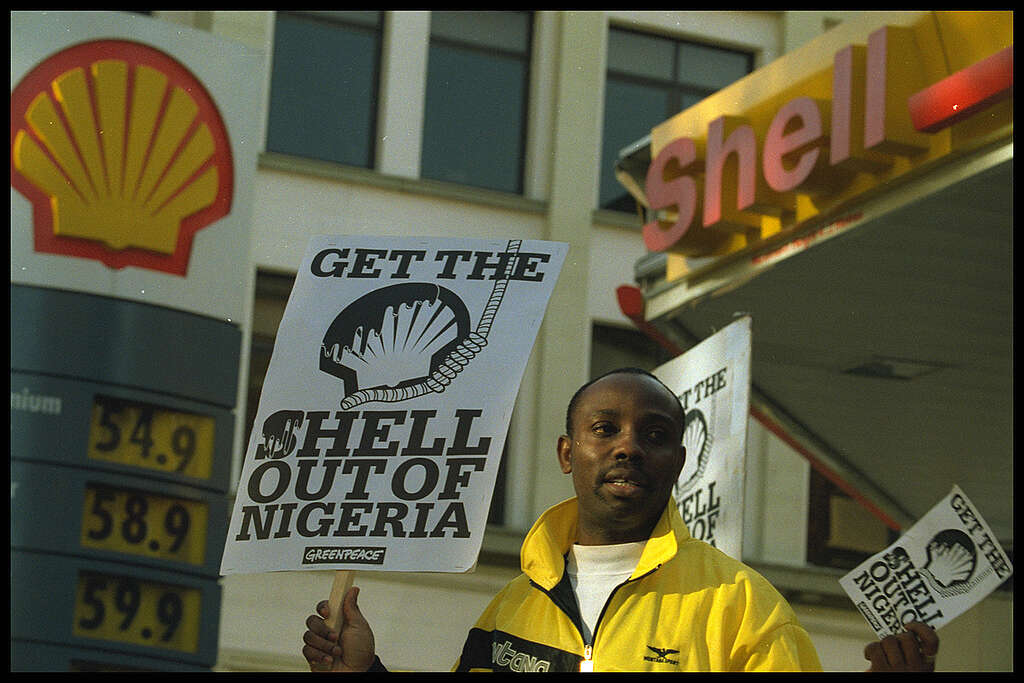
Niger Delta communities experienced widespread destruction of ecosystems and livelihoods because of oil spills, and suffered the violent suppression of protests during the struggle against oil extraction. Shell's Niger Delta track record demonstrated the devastating long-term consequences when corporate interests take precedence over local communities and environmental protection.
Concerns about the Wild Coast therefore extend beyond the immediate effects of seismic testing: successful exploration could open the door to a much larger fossil fuel industry and the environmental risks that accompany it.
What risks did Shell's oil exploration plans pose to Wild Coast communities?
The risk of Shell's oil exploration plans to South African Wild Coast communities extended beyond individual species to the wider health of South Africa's oceans. Seismic blasts not only affect marine life on which coastal communities depend, but also disturb marine ecosystems that serve as a major defence against the climate crisis.
Oceans absorb carbon dioxide and heat, while kelp forests (abundant along South Africa's coastline) provide valuable ecological benefits such as sequestering carbon, sheltering marine species and protecting shorelines from erosion. With marine ecosystems already under severe pressure from global heating and rising ocean temperatures, expanding fossil fuel exploration only stands to compound existing threats. The potential profits from oil and gas cannot justify risking communities, biodiversity and ecosystems that provide vital protection against climate change.
Yet, oil and gas corporations continue promoting oil exploration across Africa because the continent's resources offer lucrative opportunities for multinational corporations. While they frame extractivism as an economic and development opportunity for African countries, it ultimately serves neocolonial interests.
Despite fossil fuel companies' already long history in South Africa, the country continues to face shockingly high unemployment, remaining the most unequal society in the world. South Africa's own experience with oil and gas corporations demonstrates the opposite of the prosperity that fossil fuel companies promise. Despite the billions these multinational oil companies rake in every quarter, communities who live near oil infrastructure (like Wentworth, South Africa) tend to find themselves in downward poverty spirals.
Furthermore, weak global tax rules currently allow multinationals in the extractive sector to shift at least 12% of their global profits to tax havens, a figure that rises to 20% of windfall profits in commodity booms. This allows them to dodge billions of US dollars in taxes in countries across Africa, undermining governments' resources to invest in essentials like schools, hospitals and climate protection.
Does the Shell Wild Coast court judgement protect South Africa from neocolonial extractivism?
South Africa's Constitutional Court judgement against Shell provides an important legal safeguard against extractive industries pursuing commercial interests at the expense of local communities. By affirming that meaningful public participation, cultural rights, livelihoods and environmental protection cannot be overridden by corporate investment, the judgment strengthens communities' ability to challenge projects imposed without their consent.
This may have wider significance for the Southern African Development Community (SADC) region, in particular, and the African continent more broadly where oil, gas and mineral extraction has reproduced unequal relationships in which multinational companies benefit from resources while local people carry environmental and social costs. The judgement establishes that economic development cannot simply be defined by corporate investment or promised jobs. African governments must follow suit and ensure that resource decisions respect communities' constitutional and human rights.
How else is Africa meant to generate energy and create more jobs?
This South African court judgment also strengthens the case for governments to move away from an economic model dependent solely or disproportionately on fossil fuel extraction and towards renewable energy and green employment. By steering focus on new fossil fuel projects, the decision forces decision makers to diversify energy production and invest in newer, greener and cleaner technologies. Renewable energy and modern electricity grids can create jobs without exposing communities to the pollution and environmental risks associated with oil and gas.
Renewable energy is already becoming the dominant source of new electricity generation: around 85% of new global power capacity added in 2025 was renewable, principally solar and wind. For African countries, investing in these technologies can mean developing domestic industries, training skilled workers and creating employment closer to where people live. The transition therefore offers an opportunity to redefine development around locally-owned "decentralised" energy, decent work and long-term economic resilience.
How reliable is renewable energy?
Renewable energy offers benefits that extend beyond cutting carbon emissions. Solar and wind use energy sources that are freely available locally, reducing dependence on imported coal, oil and gas whose prices rise dramatically during wars, geopolitical disputes or supply disruptions. Renewable electricity can therefore strengthen political independence in Africa by reducing the influence of foreign fuel suppliers and unequal relationships with fossil fuel corporations over national energy policies.
Batteries, smart grids and diversified renewable systems can further improve resilience by allowing countries to store electricity and rely on multiple local sources rather than vulnerable international supply chains. Although renewable infrastructure requires minerals and responsible mining, it can generate electricity for decades without continually consuming fuel, while producing substantially lower lifecycle emissions than fossil fuel systems.
Is renewable energy viable for South Africa?
South Africa has considerable potential to build a diverse renewable energy system. Its abundant sunshine makes utility-scale and rooftop solar particularly attractive, while strong coastal and inland wind resources provide opportunities for large-scale wind generation. Batteries can store solar and wind electricity for periods when the sun is not shining or wind production falls, while improved transmission networks and smart-grid technology can connect renewable resources with areas of high demand. Its current dependence on fossil fuels has had dire impacts on the country's economy. After years of widespread blackouts (loadshedding), it is clear that South Africa's current energy production cannot match the demand.
How will South Africa pay for a just transition to renewable energy?
Governments around the world, including in South Africa, could raise trillions of US dollars through more ambitious national and global taxes on polluting multinational corporations and super-rich individuals. For example, a new global polluter tax of 20% on the profits of the biggest oil and gas corporations, with tax rates progressively increasing over time, could raise more than US $100 billion every year in its first few years. These funds should not only be used to pay for the loss and damage caused by the extreme weather that these polluters drive, but also for climate adaptation and investment into cleaner newer energy technologies like renewables.
South Africa, alongside all other governments, should seize this opportunity through supporting bold new global tax rules under the Global Tax Treaty currently being negotiated, while rolling out higher taxes on the wealthiest polluters at the national level immediately. It is time to end this cycle of suffering inflicted by the polluting extractives industry and to hold them to account by making them pay for a just transition that benefits all.
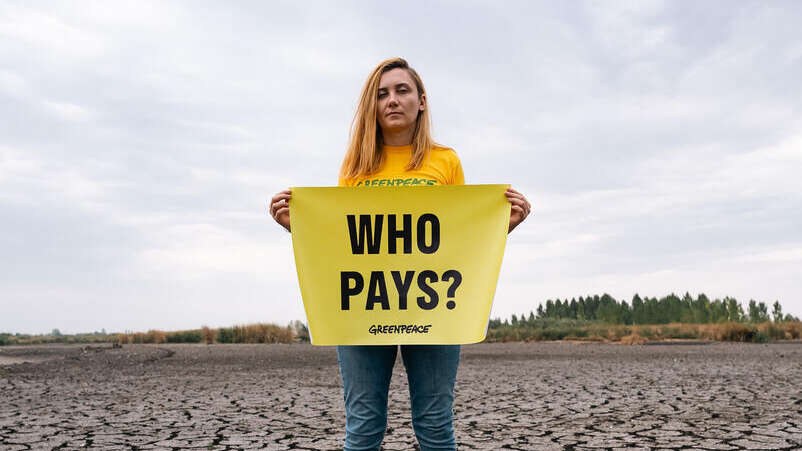
Sign the pact, record your story. Join the global movement to make polluters pay.
Frequently Asked Questions
What did the Constitutional Court decide regarding Shell's Wild Coast project?
On 14 August 2026, South Africa's Constitutional Court permanently halted Shell and Impact Africa's oil and gas exploration off the country's Wild Coast. South Africa's top court, upheld the 2022 Makhanda High Court finding that the exploration right had been unlawfully granted to Shell. It found that the South African government had not meaningfully consulted affected communities, as per the country's laws.
Why is the Wild Coast judgement considered a major victory for local communities?
Wild Coast communities and environmental organisations welcomed the judgment as a historic victory for people whose livelihoods and cultural identities are closely connected to the ocean. These communities had gone to court "for the future and for future generations". It also addressed apartheid and colonial legacies of land dispossession and empowered Indigenous communities in decision making around their ancestral land.
What are the environmental risks of seismic blasting off South Africa's coast?
Experts warned that seismic waves can disturb, injure or kill marine life, while successful exploration could lead to further risks from drilling, extraction, transportation and oil spills. For coastal communities that depend heavily on fishing and ecotourism, the potential consequences were particularly serious. The project also threatened endangered and scientifically important species, including southern right whales and the critically endangered coelacanth fish.
How can South Africa meet its energy needs without oil and gas?
South Africa has considerable potential to build a diverse renewable energy system. Its abundant sunshine makes utility-scale and rooftop solar particularly attractive, while strong coastal and inland wind resources provide opportunities for large-scale wind generation. Batteries can store solar and wind electricity for periods when the sun is not shining or wind production falls,