
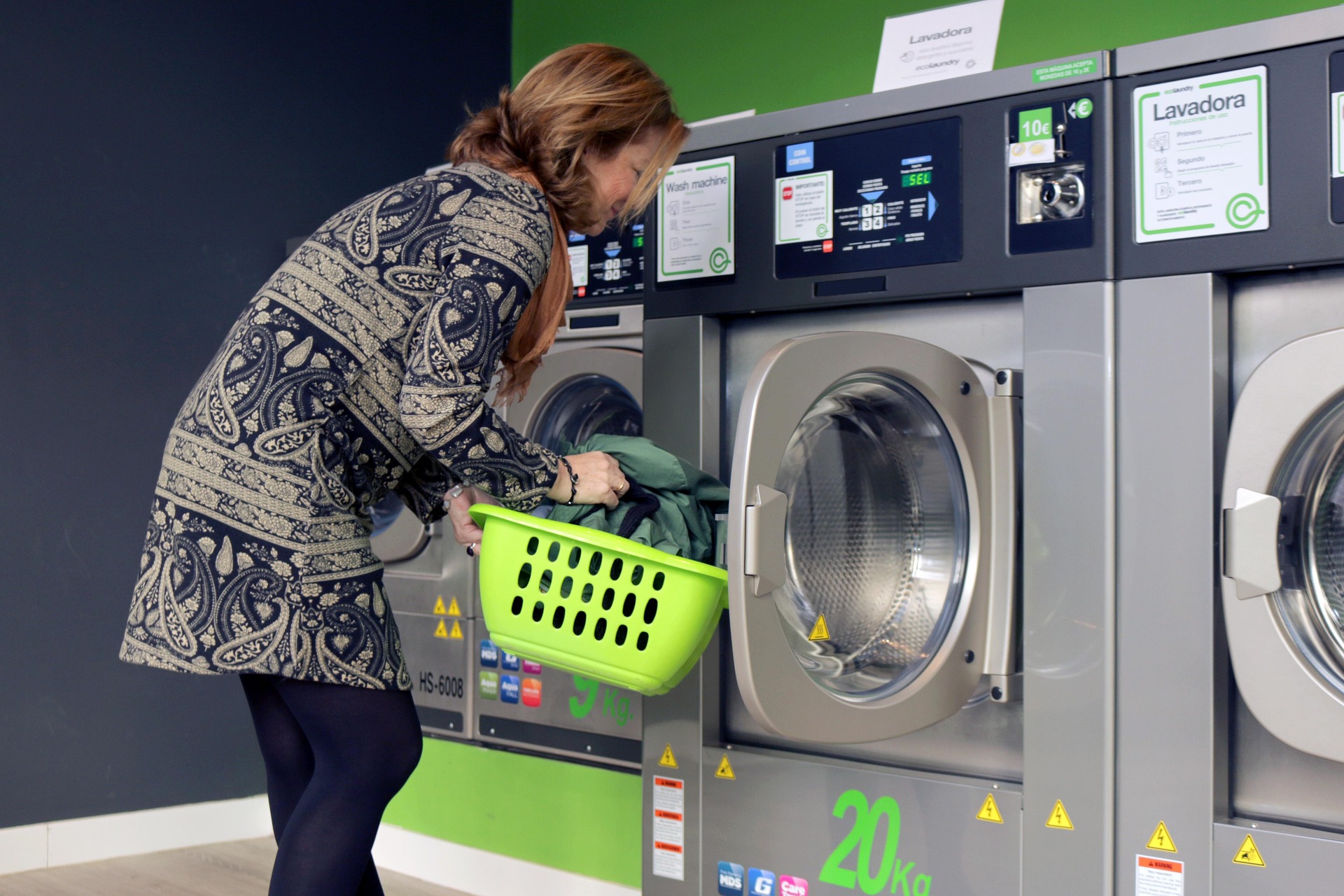

A single laundry load containing synthetic clothing can release thousands of plastic microfibres from nylon, acrylic and polyester materials.
Lab testing of an SA-made washing machine filter at Flinders University shows it can be a useful new way to help protect waterways from polyester and other synthetic microparticles.
Microplastics are plastic particles less than 5mm wide, and they break down further to nanoparticles.
The testing confirmed the device's ability to remove nanoparticles up to 20 micrometres in size - invisible to the naked eye - as well as larger microplastic pieces.
"Polyester fibres are among the most common microplastics polluting our environment. Their main source is the textiles we wash every day in households and commercial laundries," says Dr Anastasiia Snigirova, from the Nano and Microplastics Research Consortium (NMRC) at Flinders University's College of Science and Engineering.
"Our initial trials showed a dramatic reduction of fibres in wash water, demonstrating the strong potential of this technology."
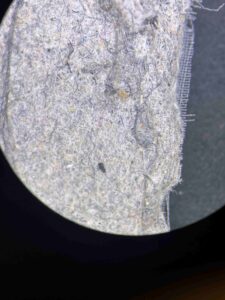
Further testing at the Australian National Fabrication Facility (ANFF) at Flinders University found a large number of fibre particles between 5mm and 20 µm (micrometres) in a regular wash, with the filter able to catch many of these polyester and cellulose fibres.
In Europe, new regulations are already addressing this problem, preventing hundreds of tonnes of fibres from entering waterways each year. Since January 2025, all washing machines sold in France must include microplastic filters under the 2020 Anti-Waste Law regulations.
Adelaide-based environmental company, The Goodside Project, has responded by designing the washing machine filters that capture microplastics before they reach our rivers and oceans.
Founder and CEO Karen Jones Hauser says the company is keen to combat the rising problem of plastic pollution in oceans and local watercourses with its invention, including a new collaboration with another SA startup, Alkany, which is developing new biotechnology that uses bacteria to break down synthetic polymers into compost and biogas.
Alkany chief scientist David Thompson says breaking down plastic waste biologically creates multiple reuse opportunities, rather than sending plastics to landfill or incineration.
In South Australia, degrading plastic waste is progressively building up in local coastal areas including Spencer Gulf and Gulf St Vincent, which covers vital marine park areas and commercial fisheries.

A previous Flinders University study of microplastics flowing from urban freshwater streams in Adelaide into the Gulf St Vincent found fibres were the leading cause of plastic pollution. Microplastics were present in all of the studied freshwater streams tested, with the fibres the most abundant microplastics found in the samples (72 %), followed by fragments (17 %) and then beads (8 %).
As well as the large amount of microplastics polluting the environment, scientists are also focused on fragmentation of plastics down to a very small scale below 1 mm.
Flinders University researchers are developing a novel approach to enhance nanoplastic capture on cellulose filters using a plasma polymer coating.

In a new research article, they say the persistence of nanoplastics in the environment "and their potential to enter the food chain as well as to cross cellular membranes, underscore the urgency of developing more efficient mitigation technologies".
The new article, 'Affinity capture of nanoplastics and their thermogravimetric quantification on plasma polymer coated filters' (2025) by Manpreet Kaur, Iliana Delcheva and Melanie Macgregor has been published in Analytica Chimica Acta (Elsevier). DOI: 10.1016/j.aca.2025.345008.
Driven by growth in emerging markets, plastic consumption has quadrupled over the past 30 years. Global plastics production doubled from 2000 to 2019 to reach 460 million tonnes. Plastics account for 3.4% of global greenhouse gas emissions. Global plastic waste generation more than doubled from 2000 to 2019 to 353 million tonnes. Nearly two-thirds of plastic waste comes from plastics with lifetimes of under five years, with 40% coming from packaging, 12% from consumer goods and 11% from clothing and textiles.


