
The UN Security Council met on Monday against a sharply altered diplomatic backdrop, following US strikes on the Venezuelan capital and seizure of President Nicolás Maduro.
Why it matters: Council members are split over whether Washington's move upholds accountability - or undermines a foundational principle of international order.
Some delegations argue the action was exceptional and justified; others warn it risks normalising unilateral force and eroding state sovereignty.
Setting the tone , the UN Secretary-General cautioned that international peace and security rest on all Member States adhering to the UN Charter - language that framed a debate likely to expose deep and lasting divisions inside the chamber in New York - all as the Venezuelan leader appeared in a downtown federal courtroom just a few miles away.
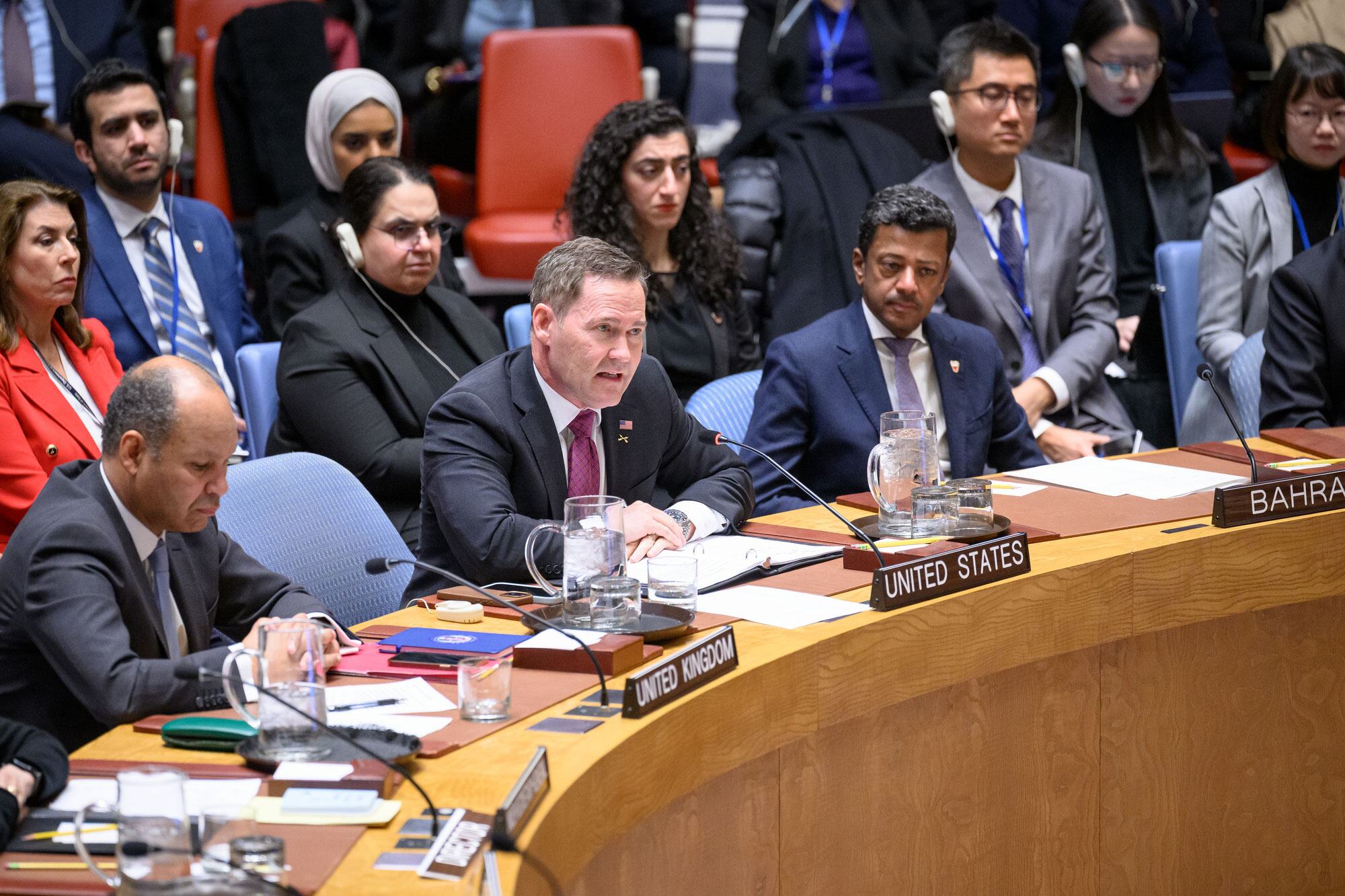
US: Law-enforcement operation, not war
The United States rejected characterisations of its actions as military aggression, describing the operation as a targeted law enforcement measure facilitated by the military to arrest an indicted fugitive.
Ambassador Michael Waltz said:
- Nicolás Maduro is not a legitimate head of State following disputed 2024 elections.
- Saturday's operation was necessary to combat narcotics trafficking and transnational organised crime threatening US and regional security.
- Historical precedents exist, including the 1989 arrest of Panama's former leader Manuel Noriega.
"There is no war against Venezuela or its people. We are not occupying a country," he said. "This was a law-enforcement operation in furtherance of lawful indictments that have existed for decades."
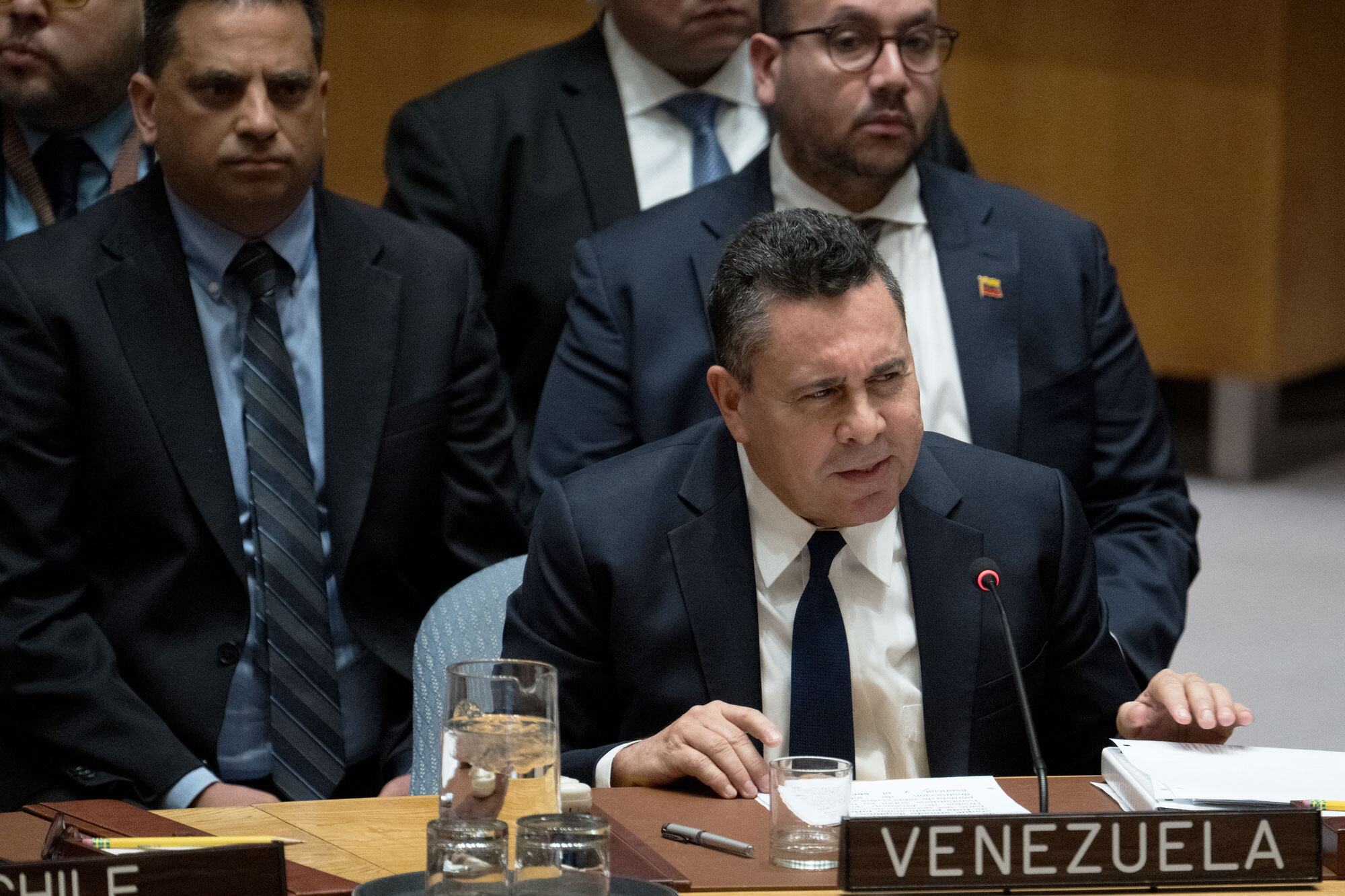
Venezuela: Sovereignty violated; a dangerous precedent
Venezuelan Ambassador Samuel Moncada described his country as the target of an illegitimate armed attack lacking any legal justification, accusing the US of bombing Venezuelan territory, the loss of civilian and military lives, and the "kidnapping" of President Nicolás Maduro and First Lady Cilia Flores.
"We cannot ignore a central element of this US aggression," he said. "Venezuela is the victim of these attacks because of its natural resources."
Calling on the Council to act under its Charter mandate, he urged that:
- The US be required to respect the immunities of the president and his wife and ensure their immediate release and safe return;
- The use of force against Venezuela be clearly and unequivocally condemned;
- The principle of non-acquisition of territory or resources by force be reaffirmed; and
- Measures be adopted to de-escalate tensions, protect civilians and restore respect for international law.
Article 2 of the UN Charter in a nutshell
The ground rules for global cooperation
Article 2 lays out the core principles that guide how countries work together under the United Nations. Here's what it means:
- Equality for all nations: Every Member State, big or small, is treated as an equal.
- Keep your promises: Countries must honour the commitments they made when joining the UN.
- Peaceful problem-solving: Disputes should be settled without violence, to protect peace and justice.
- No force or threats: Nations must not use force or threaten others' independence or territory.
- Support the UN's actions: Members should help the UN when it acts to maintain peace-and never assist those opposing it.
- Influence beyond membership: Even non-member States should follow these principles when peace and security are at stake.
- Hands off domestic affairs: The UN cannot interfere in a country's internal matters - except when enforcing peace under Chapter VII, which deals with actions to preserve international peace and security.


