
White-footed Dunnarts and Long-nosed Bandicoots are making a comeback in the Mornington Peninsula and Point Nepean national parks, with increased predator control and regular monitoring helping protect two of Victoria's most remarkable native mammals.
At first glance, you could easily mistake a White-footed Dunnart for a house mouse. But look a little closer and you'll notice the pointed snout, bright eyes and distinctive white feet that give this threatened marsupial its name.
Far from being a timid rodent, the White-footed Dunnart is a fierce little hunter, feeding on insects, spiders and other invertebrates throughout the coastal heathlands of the Mornington Peninsula and Point Nepean national parks.
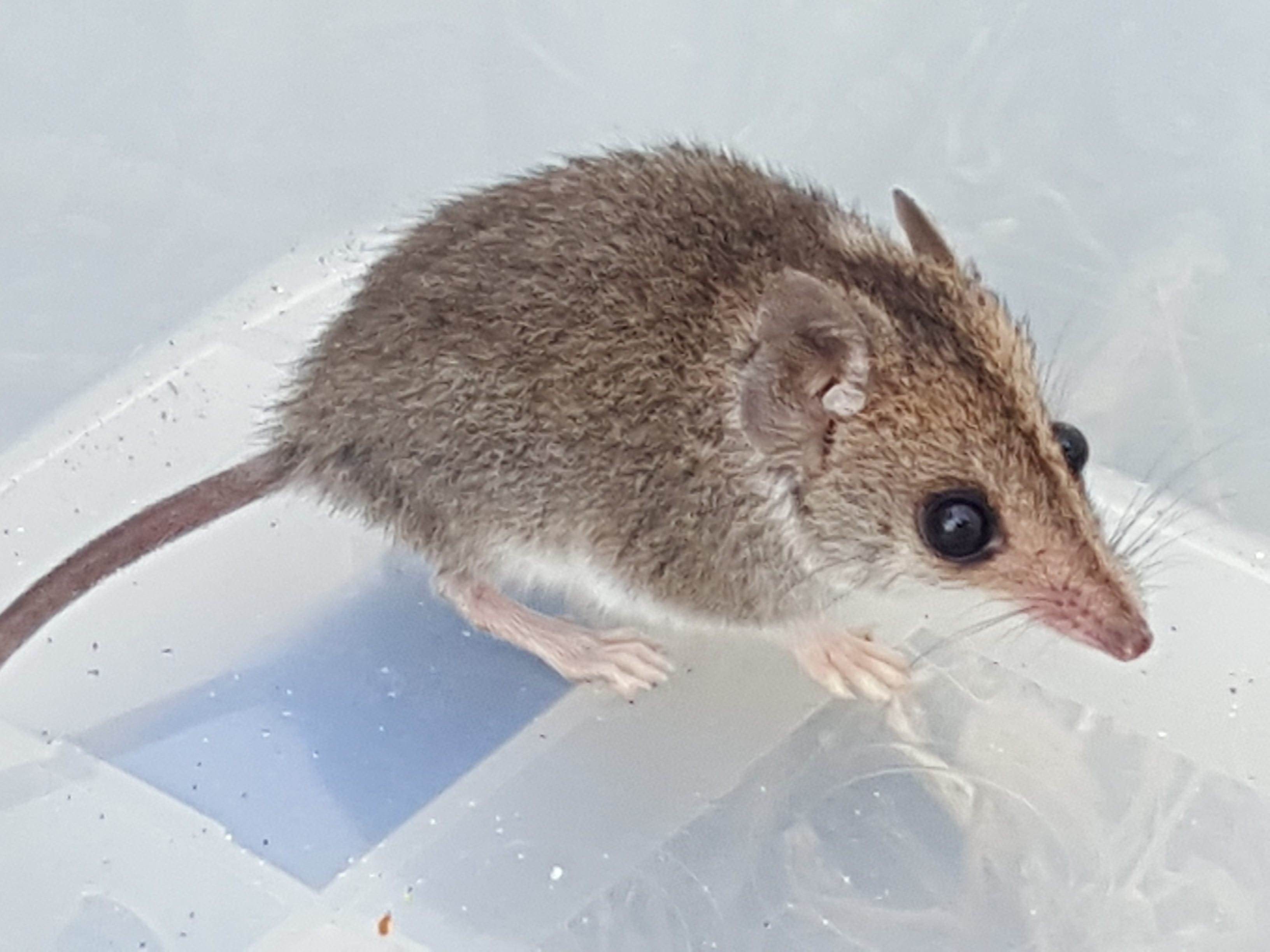
Image: White-footed Dunnarts are nocturnal carnivores, seeking out insects, spiders and other invertebrates for food. Credit: Naomi Davis.
Data gathered from Parks Victoria's long-running Signs of Healthy Parks monitoring program showed an alarming decline in White-footed Dunnarts on the peninsula between 2012 and 2019.
In the early years of the program White-footed Dunnarts were found at around 10 per cent of survey sites. However, in 2019, White-footed Dunnarts were only detected at 1 per cent of survey sites across the Mornington Peninsula.
Parks Victoria Conservation Scientist Dr Naomi Davis said such a steep decline was concerning, and attention turned to increased monitoring, predator control and habitat restoration.
'The Signs of Healthy Parks small mammal monitoring program on the Mornington Peninsula is one of the best examples we have of a long-running, in-house monitoring program for both conservation assets and the threats they face,' Naomi said.
'We'd seen, over the course of a few years, a steep decline in White-footed Dunnarts during that program, so we wanted to set up some more targeted monitoring for this species.
'This requires support to ensure adequate resources are committed as it involves a lot of work, from planning and field work, through to data collation and reporting.'
Parks Victoria Ranger Kim Cott said the additional monitoring occurred in partnership with the Bunurong Land Council Aboriginal Corporation.
'We've got a great relationship with Bunurong Land Council's Balirt Biik rangers, and when they heard we were wanting to more intensively monitor and protect the Dunnarts, and target feral cats to reduce predation, they sought a grant to come and help,' Kim said.
'They went fifty-fifty on field hours and contributed Reconyx cameras and their own cage traps. It was a really good collaboration.'


