
The fertile basaltic soils of Vietnam's Central Highlands have helped make the country the world's largest producer of Robusta coffee. But decades of intensive coffee monoculture have left many soils increasingly degraded, threatening productivity across the region.
In response, many farmers diversified into crops such as black pepper, durian and avocado. Nearly half of the coffee farms in the region now include at least one intercrop, yet little was known about how these increasingly complex farming systems affect soil health.
An ACIAR-supported research activity has helped fill that knowledge gap, showing that not all intercropping systems carry the same soil health risks, and evidence was needed to guide more informed crop management decisions.
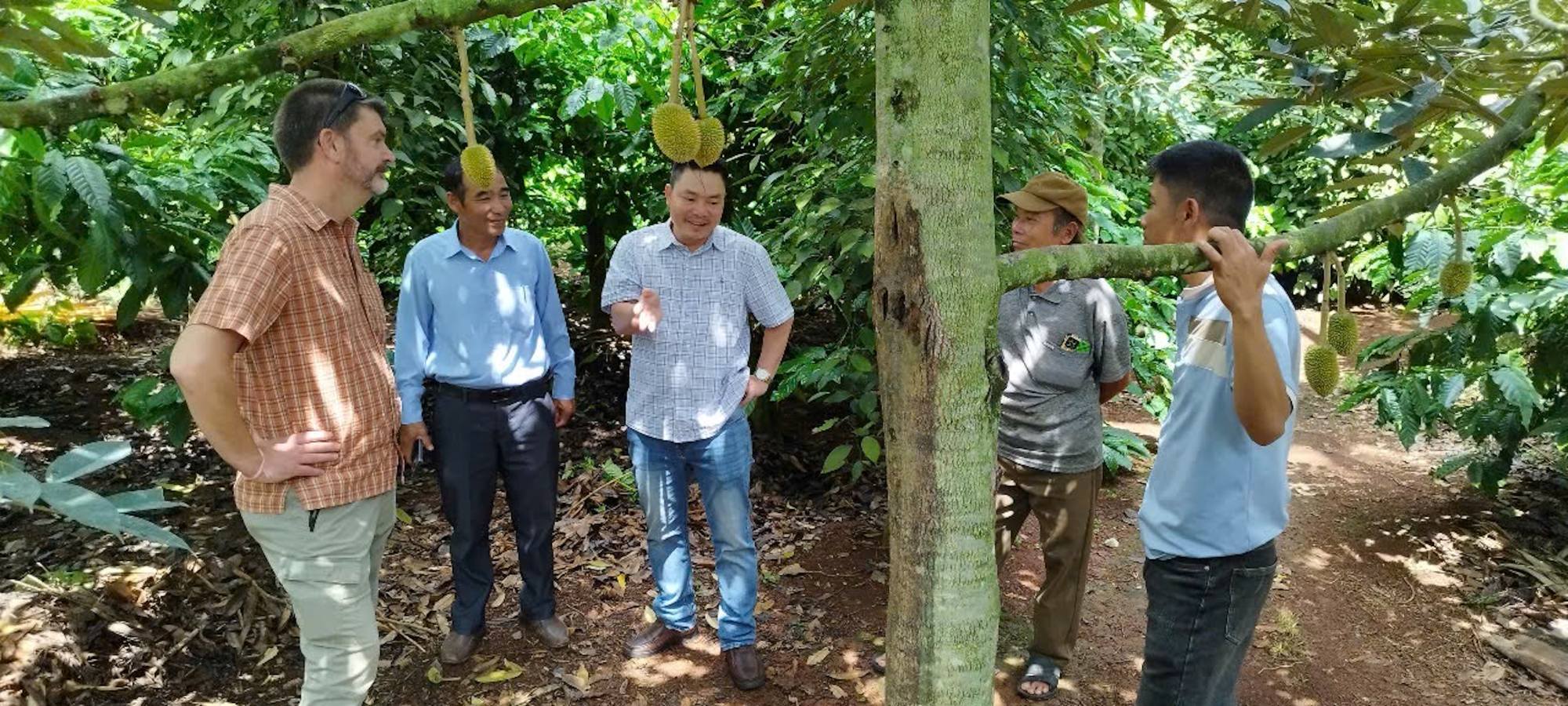
The team of researchers from Deakin University, The International Center for Tropical Agriculture (CIAT) and Vietnam's Pepper Research and Development Centre under the Western Highlands Agriculture and Forestry Sciences Institute (WASI) surveyed 375 farms across the Central Highlands to investigate how different intercropping systems influence soil health.
Three key findings
The study uncovered three key findings. First, soil degradation and soil-borne pathogens are widespread across the region. Soil and root analyses confirmed that harmful fungi and plant-parasitic nematodes are common regardless of location and crop type, highlighting the scale of the challenge facing coffee-based farming systems.
'Across the region, the soils are highly acidic, with low organic matter content despite high nutrient inputs. In addition, soil-borne pathogens were ubiquitous, posing a major constraint to both crop productivity and plantation renewal,' said Dr Laetitia Herrmann from Deakin University, who led the research activity.
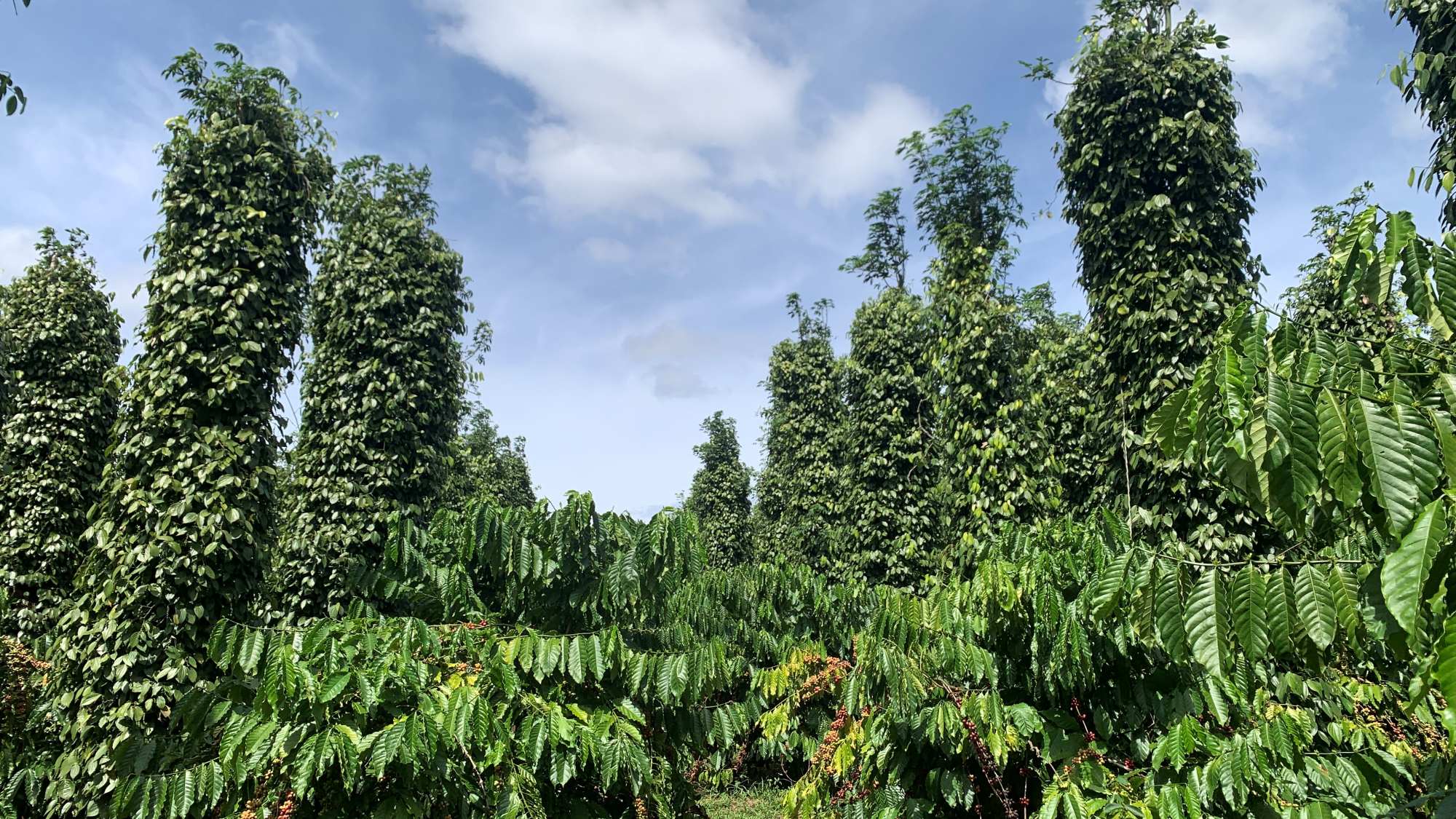
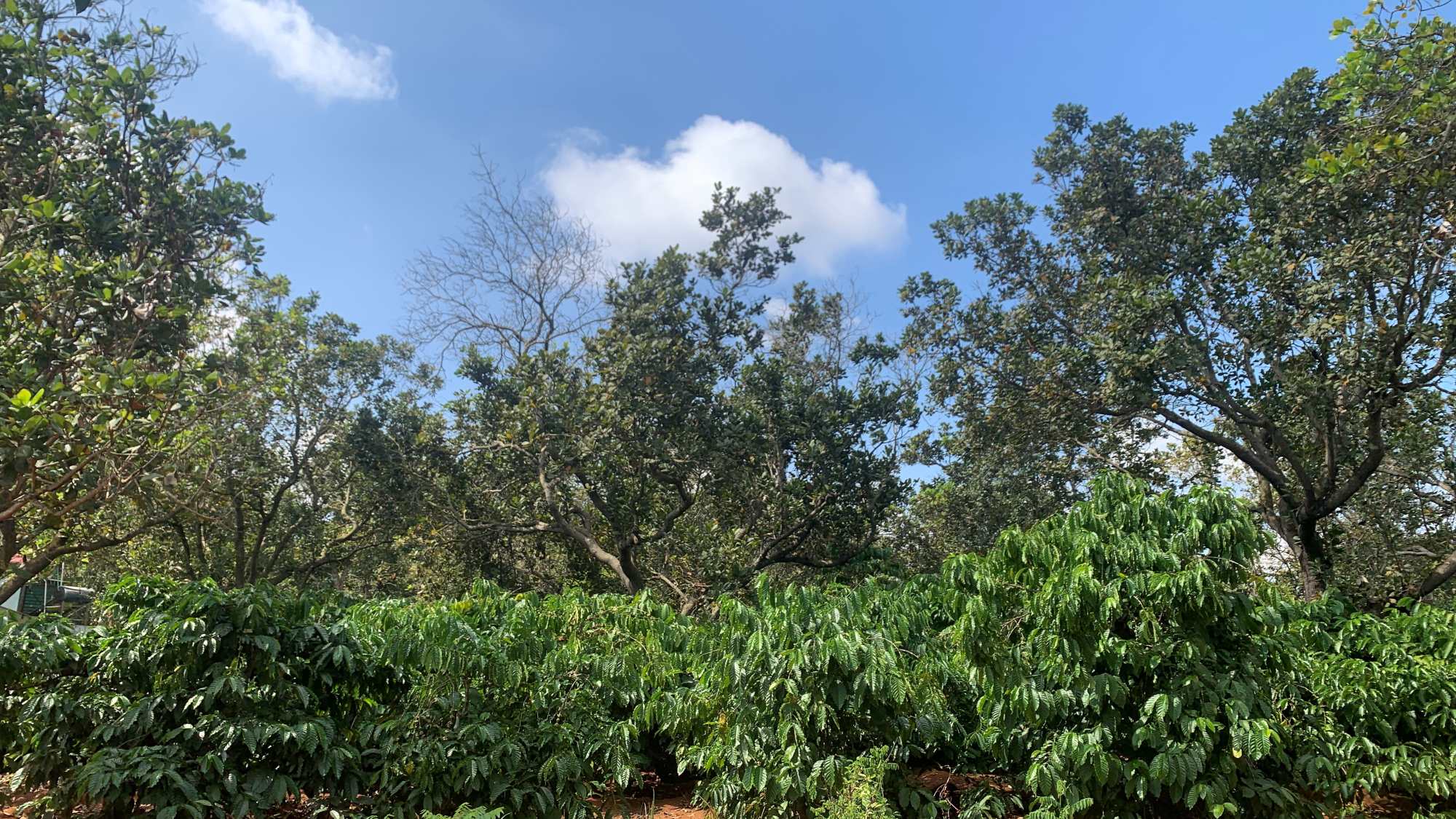
Second, not all intercropping systems carry the same soil health risks. Coffee intercropped with cashew or durian was associated with a lower likelihood of plant-parasitic nematodes, while coffee-black pepper and coffee-avocado systems consistently showed the highest pathogen counts.
'These findings suggest that crop diversification should be supported by practical, evidence-based guidance rather than driven solely by market opportunities. Understanding soil health across different intercropping systems is essential for helping farmers make better crop management decisions and supporting more sustainable production in the Central Highlands,' said Dr Nguyen Van Long from Vietnam's Pepper Research and Development Centre.
Most encouragingly, the research also showed that these challenges can be managed. Researchers found that soil biodiversity may naturally suppress harmful pathogens and improve crop health. Practices such as using organic amendments, correcting soil acidity through liming, using biochar, and reducing reliance on chemical inputs, could help restore beneficial microorganisms and improve long-term soil health. Early investigations into commercial bioinoculants containing beneficial microorganisms have also shown promising results.
The results suggest that farmers should adopt integrated soil health management, including liming to correct acidity, organic amendments, biochar or bioinoculants, and more targeted nutrient use.
'From a land management perspective, this study provides an important baseline for monitoring soil health and targeting interventions where they are needed most. These insights can help support more resilient perennial cropping systems, improve nutrient-use efficiency and contribute to longer-term fertiliser and food security,' said Dr Johnvie Goloran, ACIAR Soil and Land Management Research Program Manager.
Dr Goloran also highlighted that the combination of remote sensing, field surveys, microbiome analysis and spatial modelling provides a scalable approach for monitoring soil health across Vietnam's perennial cropping systems, supporting more informed decisions on soil management and sustainable productivity.
Healthy soils are often invisible, yet they underpin every harvest. By improving understanding of how different farming systems influence soil health, this research is helping safeguard the long-term productivity of the Central Highlands and the livelihoods of thousands of farming families, many of whom are from ethnic minority communities who depend on healthy soils for their future.
Learn more: 'Assessment of soil condition for coffee, pepper and fruit tree production in the Central Highlands of Vietnam' (SLAM/2023/142).


