
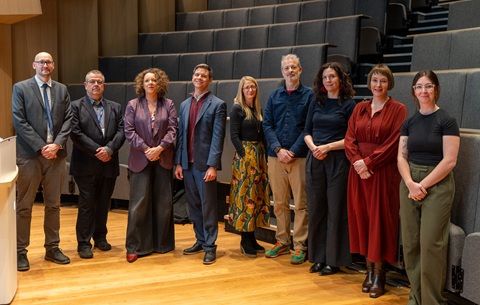
Research co-led by the University of Southampton has found southern England's creative industries support 110,000 jobs and contribute £5.7 billion to the economy.
But better connections between businesses, universities and local leaders are needed to enable huge opportunities for growth.
The region - stretching from Bournemouth and the Isle of Wight through Southampton, Portsmouth and Winchester to Guildford and Woking - is home to jobs spanning film, gaming and software, architecture, design and the performing arts.
However, these 283 businesses and up to 30,000 freelancers are often overlooked as a collective economic force and face common challenges, from finding funding and skilled workers to reaching new customers and building professional networks.
The research, published in a report that was launched at the University of Winchester on Wednesday, argues that bringing these creative communities closer together could unlock opportunities for jobs, investment and growth.
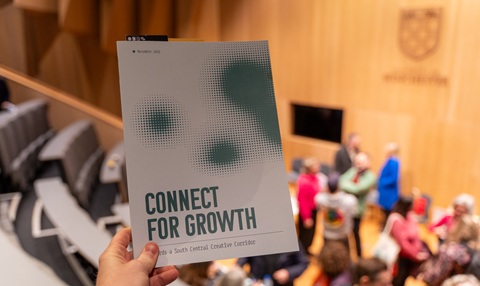
As well as stronger connections, the report calls for more tailored business support, better access to training and finance, closer partnerships with universities and new initiatives to help local creative businesses reach customers in the UK and overseas.
Daniel Ashton, Professor of Cultural and Creative Industries at the University of Southampton and co-author of the report, said: "This research shows the scale of South Central's creative economy, but also why it can be difficult to see. Creative activity is spread across the region, so stronger connections between businesses, freelancers, cultural organisations and universities could make a real difference."
Co-author Fred Bassett, Fellow of the Royal Society of Arts and co-founder of the Southern Creative Catalyst, said: "The sheer scale of creativity across this region is extraordinary, yet so much of it goes unrecognised. We've found a huge opportunity to bring these people and businesses together, help them share ideas and open doors that might otherwise remain closed. Better connections could mean more jobs, more investment and more opportunities for communities right across the region."
The research was carried out by Southern Creative Catalyst, the Royal Society of Arts and the University of Southampton, with support from the Creative Industries Policy and Evidence Centre. Read the report: Connect for Growth: Towards a South Central Creative Corridor .


