
The United Nations celebrates its 81st anniversary on Saturday, highlighting more than eight decades of work to advance peace, human rights and development around the world.
United Nations Day heralds the entry into force of the UN Charter in 1945. The global body officially came into being after the founding document was ratified by a majority of its signatories, including the five permanent members of the Security Council .
The day has been celebrated annually on 24 October since 1948.
The agenda has remained unchanged: settling disputes through diplomacy, combating poverty and hunger, promoting human rights and delivering lifesaving aid to people affected by conflict, disasters and displacement.
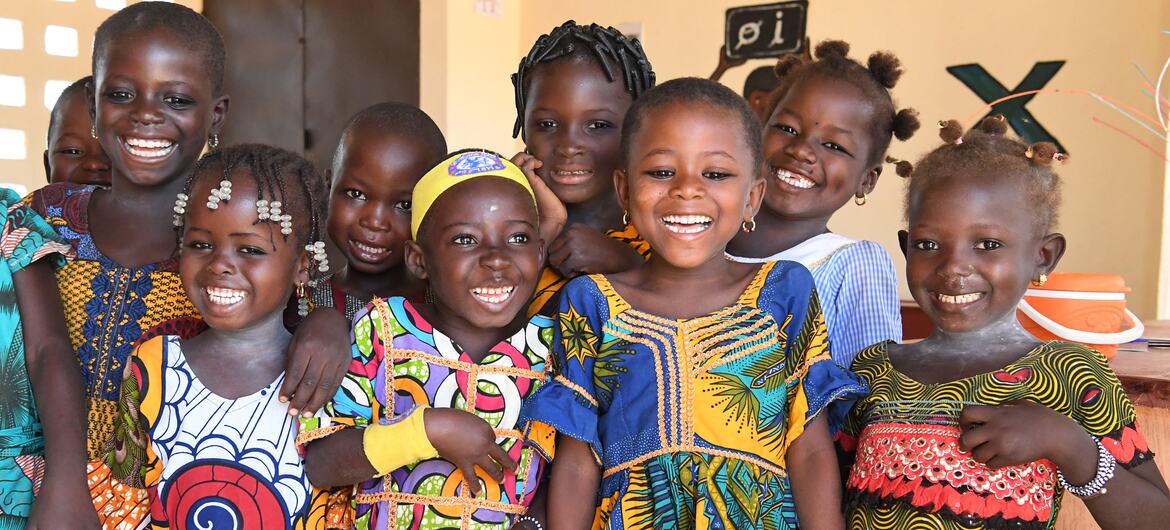
Humanity's future
In his last message marking the day in charge of the UN, Secretary-General António Guterres said it stood for the idea that "humanity's future depends on our ability to work together to advance peace, development and human rights."
He highlighted the profound challenges facing the world today, including conflict, the climate crisis, rising inequalities and technological advances outpacing the ability to govern them.
"The United Nations is an essential part of the fabric of our world," he said. "And it's needed more than ever."
Prelude to the UN
As the Second World War raged, a remarkable international effort was already taking shape to help rebuild a shattered world.
Founded in November 1943, the United Nations Relief and Rehabilitation Administration (UNRRA) began its work before the United Nations itself had been constituted.
Faced with hunger, disease, mass displacement and devastation, it helped deliver the essentials of survival and offered hope to millions struggling to rebuild their lives.
Beyond emergency relief, UNRRA became a pioneering experiment in international cooperation.
UN Video highlights UNRRA's extraordinary mission through archival footage and personal testimony.


