
Haiti is living through one of the world's most acute security crises.
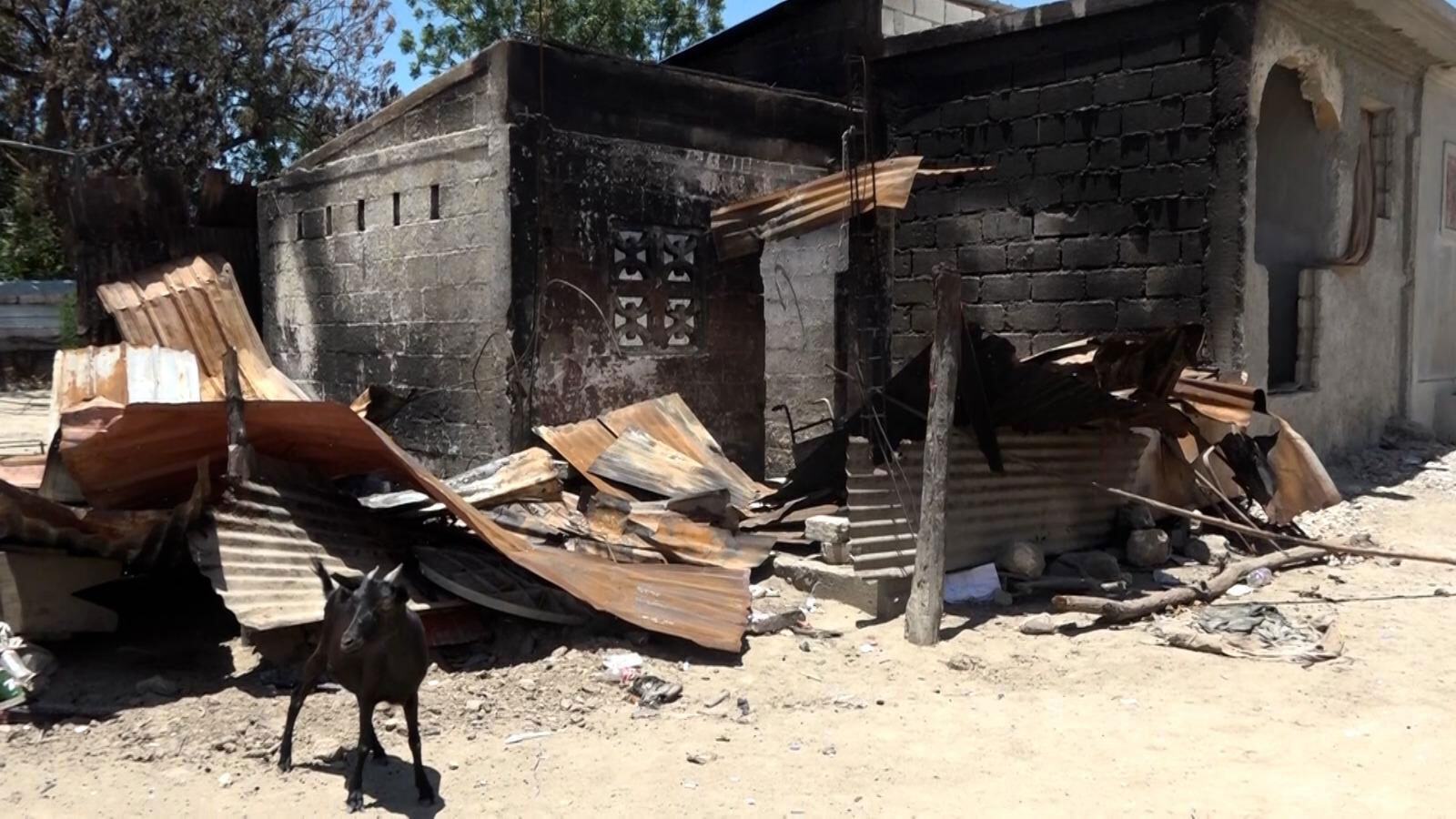
Armed gangs control large parts of the capital, Port-au-Prince, and are pushing into rural areas, terrorising communities, killing people, committing rape and other sexual assaults, kidnapping for ransom and extorting individuals and businesses.
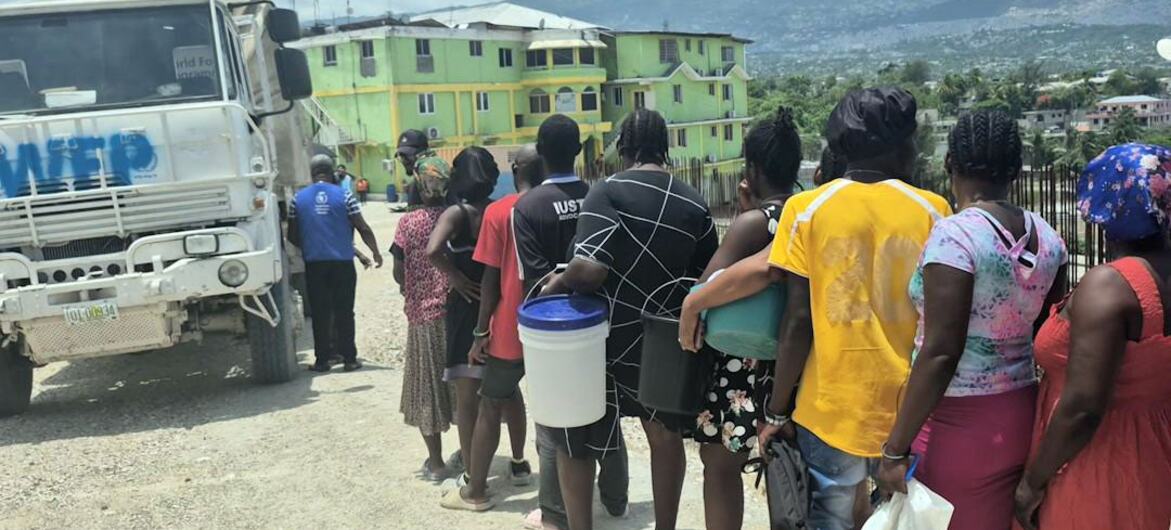
About 1.5 million people, roughly 12 per cent of the population, have been forced from their homes.
Haiti makes no guns or ammunition of its own, yet the gangs never seem to run out.
On Wednesday, the UN Security Council renewed sanctions meant to change that by targeting people considered responsible for or involved in activities threatening Haiti's peace, security and stability.
What are the sanctions?
Created in 2022 by the Security Council, the Haiti sanctions committee has three main enforcement tools at its disposal: an arms embargo, a travel ban and an asset freeze.
The embargo targets weapons and ammunition reaching armed groups. The travel ban and freeze apply to named people and entities who contribute to the Caribbean island nation's insecurity and gang violence.
Nine individuals and two groups are currently sanctioned by the council.
Why are they needed?
The human cost of gang violence in Haiti is stark.
More than 3,000 people were killed and over 1,500 injured between October last year and April this year.
A UN partner reported treating over 2,400 survivors of sexual violence in Port-au-Prince between January and May. Most were women and girls and 16 per cent were minors. Cases involving children as young as eight were also reported.
Children are also being recruited by gangs.
How are the sanctions enforced?
Mostly by governments, at ports, borders and banks.
Haitian authorities have recently intercepted several illicit shipments at ports.
United States authorities have also intercepted firearms and ammunition destined for Haiti and pursued trafficking investigations.
The UN Office on Drugs and Crime ( UNODC ) supports regional efforts to counter trafficking.
Is it working?
Haiti does not manufacture firearms or ammunition, but according to the figures released by the UN human rights office last year, there are an estimated between 270,000 and 500,000 illegal weapons in circulation.
The arms embargo is violated "on a regular basis" according to the panel of experts on Haiti, an independent fact-finding body established by the Security Council, which gathers evidence and analyses information related to sanctions violations.
These independent experts have travelled to Port-au-Prince and Cap-Haïtien in Haiti, Santo Domingo in the neighbouring Dominican Republic and Miami in the US to meet government officials, police, financial institutions, civil society representatives and people affected by gang violence.
Some of the gang's bullets come from national stockpiles, and police do not centrally track what they seize, so some weapons are unaccounted for or diverted by corrupt officers.
The asset freeze has fared worse, the panel said. Only two sanctioned individuals' accounts were reported frozen, with meagre sums, because banks acted slowly and the targets moved money or hid it under third parties' names.
The panel found no attempts to break the travel ban, but warned that fraudulent passports could help sanctioned people travel under false names.
What do the experts say?
The independent panel's message is that "targeting gang leaders without addressing the networks that sustain them will inevitably fall short."
It points to political, economic and security figures who back gangs and says many gang leaders beyond those on the sanctions list meet the criteria.
What happens next?
Gangs have continued their deadly expansion despite the sanctions already in place, a clear indication that enforcement matters.
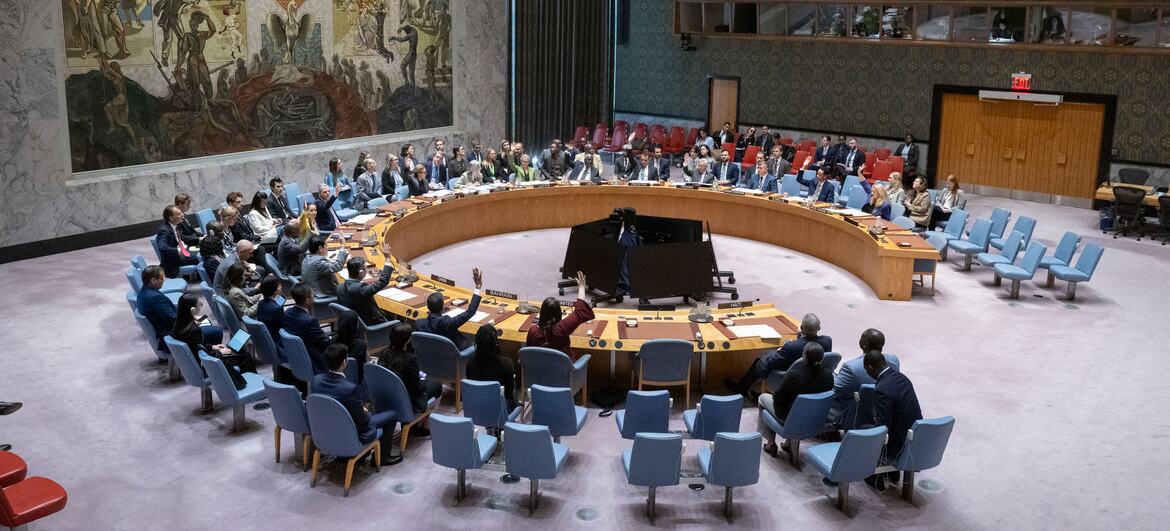
At Wednesday's meeting, speakers from some of the Security Council's 15 Member States re-emphasised the need to disrupt gang financing, close loopholes and hold the networks supporting armed groups accountable.
The council extended the work of its sanctions committee by 13 months.
Haiti welcomed the renewal while warning that sanctions alone cannot restore security.
For Haitians living with gang violence, what matters is whether work of the sanctions committee and the efforts made by the Haitian Government and countries in the region translate into safer neighbourhoods, fewer weapons in criminal hands and greater freedom to travel, work and reach essential services.


