
A sprawling online scam industry worth an estimated tens of billions of dollars a year is being powered by trafficked workers subjected to torture, sexual abuse and forced labour inside heavily guarded compounds in Southeast Asia, a new UN human rights report has found.
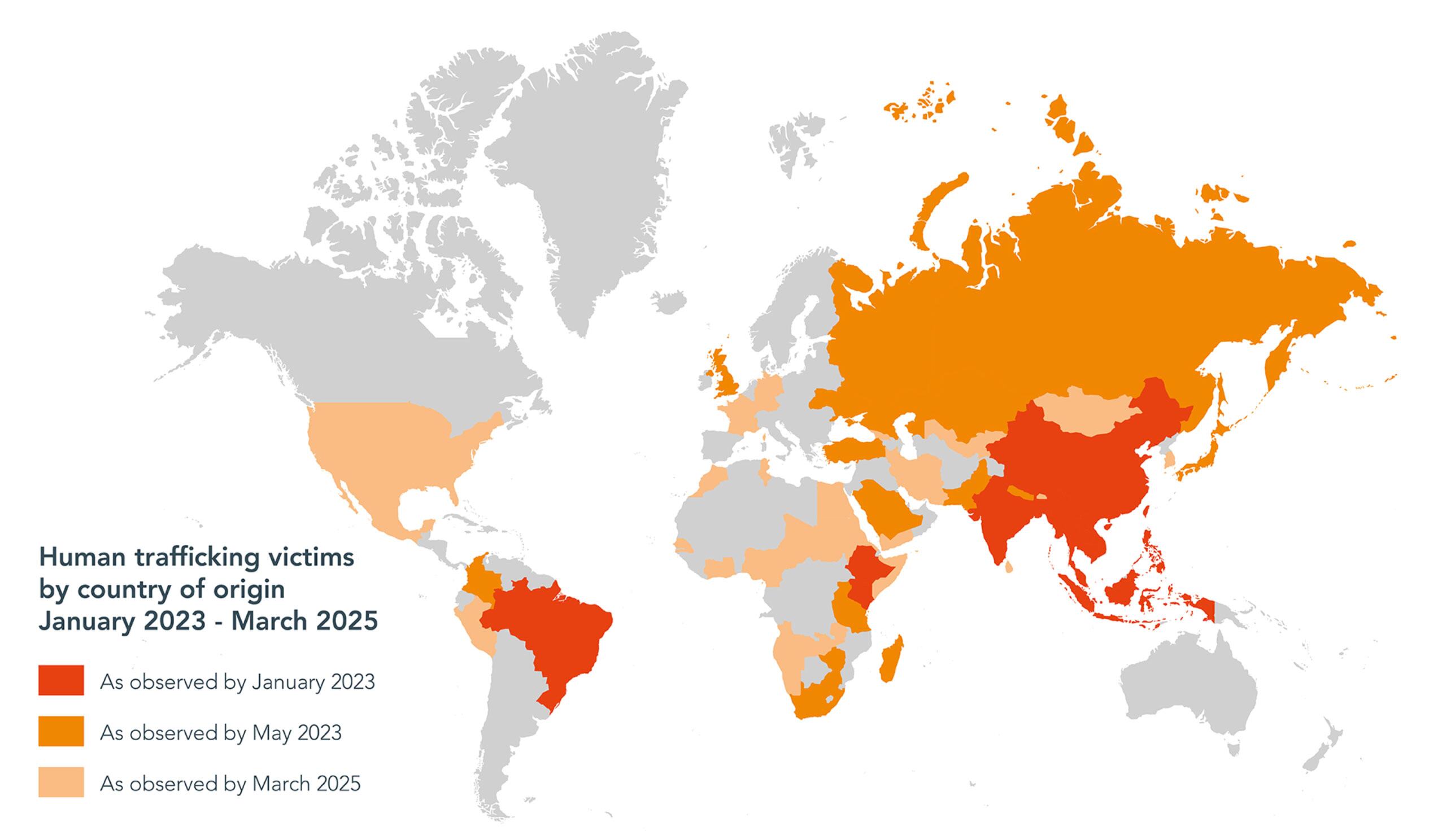
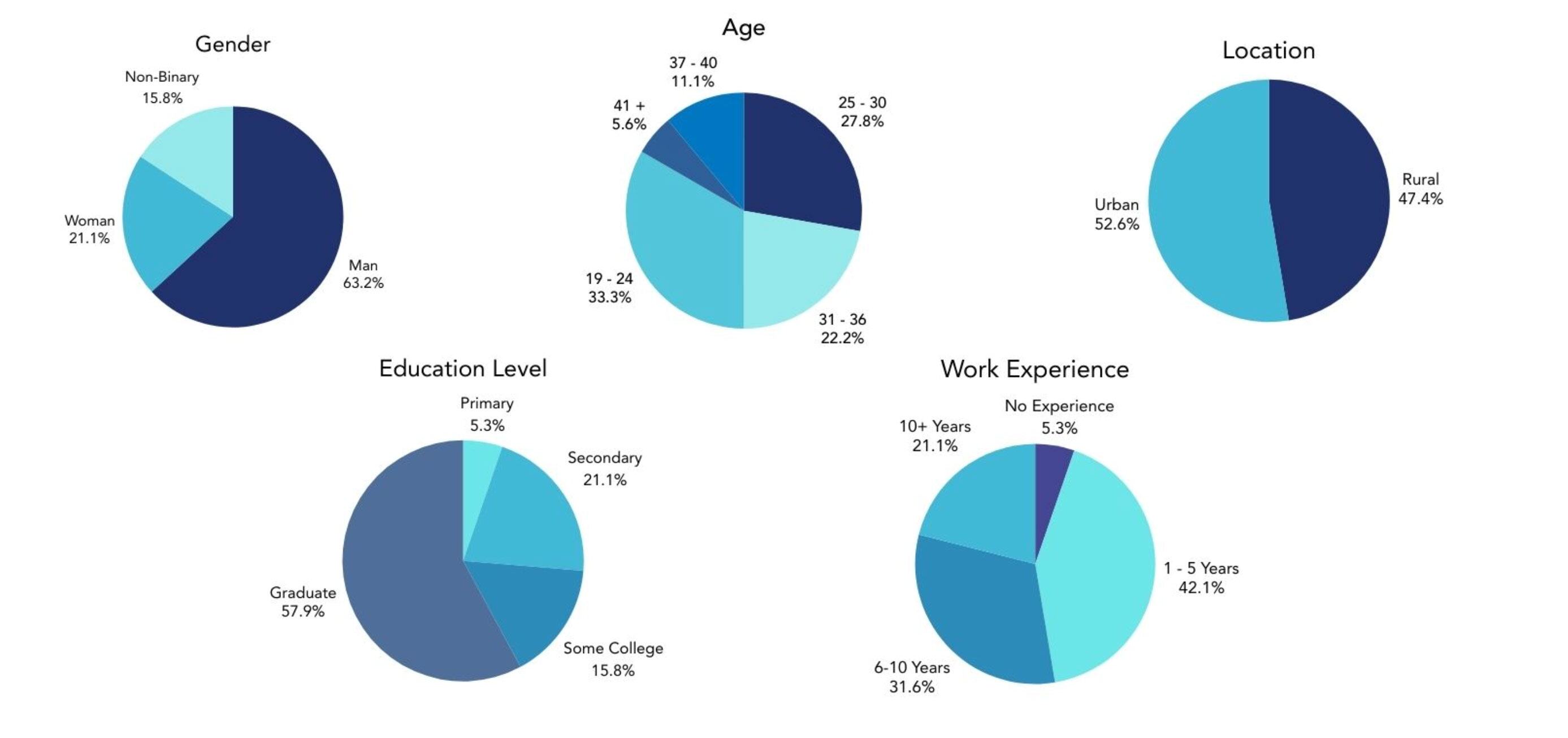
Behind the staggering profits lies what the report calls a "litany of abuse" affecting hundreds of thousands of people from at least 66 countries. Many were lured abroad by promises of legitimate jobs, only to find themselves detained, beaten and forced to commit online fraud.
"The treatment endured by individuals within the context of scam operations is alarming," the report states.
The report, titled A wicked problem , is based on in-depth, trauma-sensitive interviews with victims trafficked and forced to work at scam centres, and information from a range of sources - including confidential ones. It was published on Friday in Geneva by the Office of the UN High Commissioner for Human Rights ( OHCHR ).
The business behind the abuse
The "scam industry" has grown to "industrial proportions," according to the report, with credible estimates pointing to at least 300,000 people working in operations across Southeast Asia. Most of these are concentrated in the Mekong region, which satellite imagery show that 74 per cent of scam compounds are located there.
While calculating exact profits is difficult, some sources estimate global annual revenues at around $64 billion. In the Mekong region alone, the industry may be worth more than $43.8 billion a year.
These scam operations are "entrenched" and "well resourced," the report notes, with their locations ranging from remote border areas to special economic zones and major cities.
"The litany of abuse is staggering and at the same time heart-breaking," UN High Commissioner for Human Rights Volker Türk said .
"Yet, rather than receiving protection, care and rehabilitation as well as the pathways to justice and redress to which they are entitled, victims too often face disbelief, stigmatization and even further punishment."
Inside the lavish compounds
Survivors described vast compounds resembling "self-contained towns, some spanning more than 500 acres."
Multi-storey buildings are surrounded by barbed wire-topped walls and guarded by armed security personnel. Some even contain supermarkets, restaurants, casinos and brothels.
More agile operations operate out of apartments, hotels or gated houses. Regardless of scale, the defining feature is control.
Victims reported confiscated passports, restricted communication and constant surveillance. Many described the compounds as "prisons," with locked gates and severe punishments for attempted escape.
Coerced to commit crimes
Those trafficked into the compounds are forced to perpetrate a range of online scams, including impersonation fraud, cryptocurrency investment schemes, gambling platforms, extortion and so-called romance scams.
The operations are highly organized, with different units handling recruitment of scam targets, script development and financial transfers. Profits are typically laundered through mule or proxy) bank accounts, converted into cryptocurrency and moved through complex digital channels before re-entering formal banking systems.
Even those who may have known they would be working in dubious online jobs did not expect detention or violence. "All victims described receiving and/or witnessing severe mistreatment amounting to torture within scam compounds," the report says.
"Morning assemblies often included low-performing teams being publicly subjected to torture as a warning to others."
Abuse as enforcement
Punishment for failing to meet scamming quotas is severe. A survivor from Sri Lanka recounted immersion in "water prisons" for hours after missing monthly targets. Others described confinement rooms where people were locked in complete darkness for days.
Victims reported being forced to witness or even carry out abuse against others. One Bangladeshi man said he was ordered to beat fellow workers. A Ghanaian victim was made to watch his friend being beaten.
Deaths in the compound were frequently mentioned by victims
Sexual violence has reportedly increased since 2024. Women described rape, forced prostitution and forced abortions. Male victims reported sexual humiliation and assault. Twelve women released from compounds in Myanmar said they were raped and impregnated, while a pregnant Filipina survivor experienced physical violence and electrocution.
Food deprivation, sleep deprivation and extreme working hours - up to 19 hours a day - were common. One victim said his group received almost no food for 15 to 20 days and became so weak "we could not even stand."
What OHCHR says must happen
Without coordinated action grounded in human rights principles, the office warns, the convergence of cybercrime, corruption and human trafficking will continue to expand.
- Embed "non-punishment principle" in law so trafficked victims are not prosecuted for crimes they were forced to commit.
- Guarantee safe, timely rescue operations and protections under law.
- Provide trauma-informed medical and psychological rehabilitation - regardless of immigration status.
- Expand safe labour migration pathways and tighten oversight of recruitment agencies.
- Crack down on corruption and official collusion enabling scam compounds.
- Strengthen cooperation between governments, digital platforms and financial institutions to disrupt online recruitment and money laundering.
Read the full report here .
Wage theft, debt and ransom
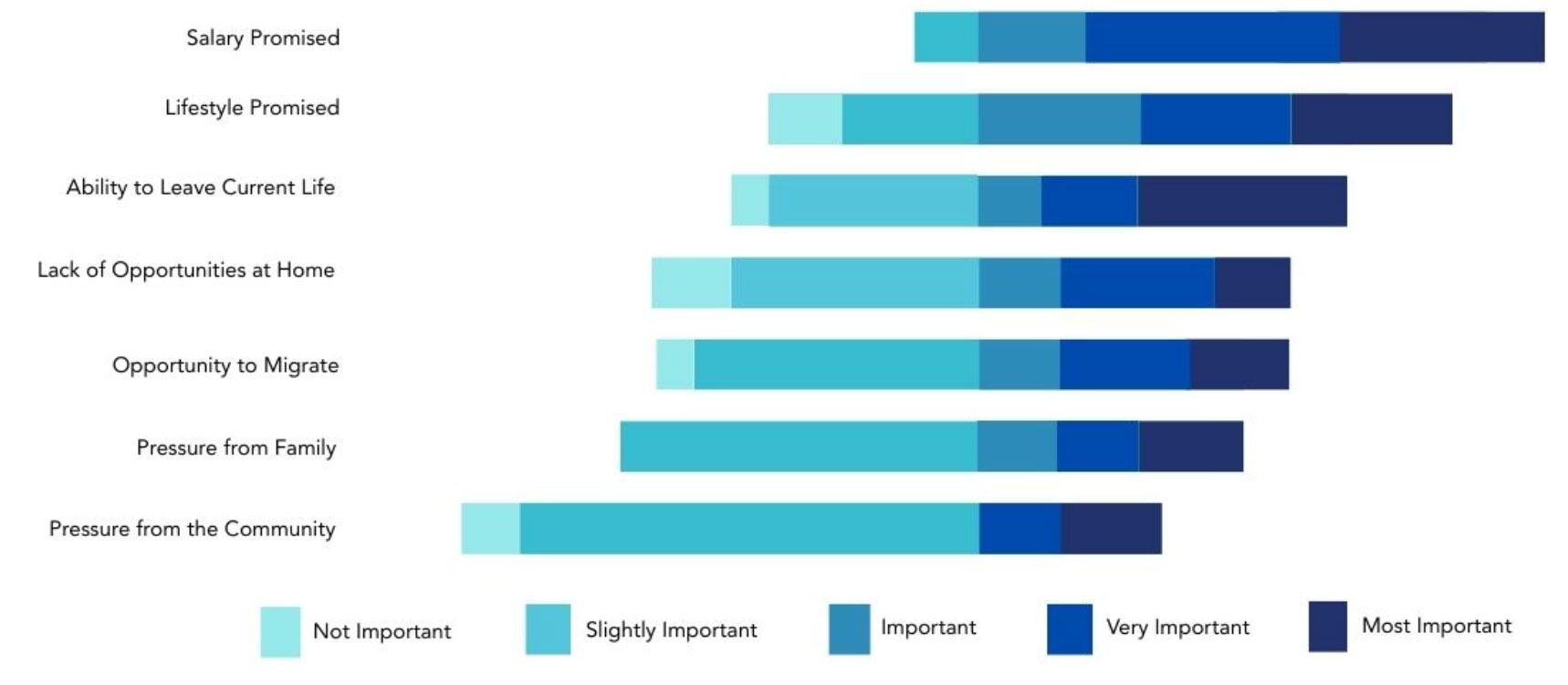
Most victims said they were promised substantial salaries, only to face deductions, fines and escalating "debts" once inside the compounds. Contracts were often presented after arrival, binding them to unrealistic profit targets.
A Thai victim reported being required to generate $9,500 a day in scam proceeds to avoid fines, beatings or being "sold" to another compound.
Families were sometimes forced to pay ransoms of tens of thousands of dollars. Traffickers would video call relatives, showing them their loved ones being abused to pressure payment.
Corruption and impunity
The report highlights allegations of collusion between criminal syndicates and officials.
Victims described being fast-tracked through immigration by officers who appeared to coordinate with recruiters. Some reported police entering compounds and receiving payments from managers.
Corruption is "deeply entrenched" in these lucrative operations, says OHCHR.
Law enforcement raids have freed thousands of victims, including a February 2025 operation along the Thailand-Myanmar border that saw some 7,000 people released. But observers warn that many crackdowns are ad hoc and compounds often resume operations or relocate.
Risk Warning: Cryptocurrency is a unregulated virtual notoriously volatile instrument with a high level of risk. Any news, opinions, research, data, or other information contained within this website is provided for news reporting purposes as general market commentary and does not constitute investment or trading advice.


